
Livraison le jour même et le lendemain

Qualité garantie

Débloquez vos offres de bienvenue: Livraison GRATUITE | Jusqu'à -80 % | 30 jours d'essai gratuits à JoyPlus
Téléchargez l'application
Buying jasmine rice seems straightforward, until you have to choose between Thai Hom Mali rice, Cambodian jasmine rice, Vietnamese ST25 rice, pandan rice and sushi rice. The pack size matters too: a 1 kg bag is handy for trying a new variety, while 18 kg or 20 kg bags are mainly suited to high-volume use.
When choosing, don’t rely solely on words such as “premium”, “AAA” or “fragrant”. These labels don’t automatically tell you about the rice’s cooking qualities or origin. Focus instead on the type of rice, country of origin, grain structure, net weight and storage instructions.
Jasmine rice is generally a long-grain rice with a fragrant, soft texture. Sushi rice is usually a short-grain rice that becomes stickier when cooked. This difference matters:
A bulk bag of rice may seem like good value, but first check that you can use it all in time. An opened 18 kg or 20 kg bag needs enough dry storage space and a well-sealed storage container. So compare the price per kilo, but also consider:
For a household that eats rice occasionally, a 1 kg or 5 kg bag may be more practical. Rice for restaurants and catering is usually better suited to 10 kg, 18 kg or 20 kg bags.
Terms such as “authentic”, “premium” and “AAA” don’t in themselves guarantee a particular flavour or cooking result. According to the manufacturer’s or seller’s product information, these products may, for example, cook up soft, fluffy or aromatic. Your results also depend on how you wash the rice, the rice-to-water ratio, your pan or rice cooker, and how long you leave it to rest after cooking.
Thai jasmine rice, Thai Hom Mali rice and Cambodian jasmine rice are fragrant long-grain varieties. Vietnamese ST25 rice is also an aromatic long-grain rice, but it comes from Vietnam. Some shops use the term “pandan rice” for rice with a similar fragrance profile; always check the ingredients and country of origin on the packaging.
Look out for the following descriptions:
Product information for many types of jasmine rice describes the cooked texture as soft, fluffy or slightly sticky. This makes the rice suitable for curries, stir-fries and rice bowls. Green Dragon Perfume Long Grain Rice is described in its product details as having grains that stay fluffy and less sticky after cooking. This makes it a better choice for pilaf, nasi or fried rice.
Sushi rice behaves differently. Kobasuki Sushi Rice is a short-grain rice that, according to the product information, develops a sticky texture and glossy appearance when cooked. This makes it more suitable for sushi than long, separate grains.
According to the product information, store rice in a cool, dry place, away from direct sunlight, heat and moisture. Seal the packaging securely after opening. For large bags, it’s a good idea to transfer the rice into several airtight storage containers once opened. Also check the physical packaging and the latest shelf-life information before using the product.
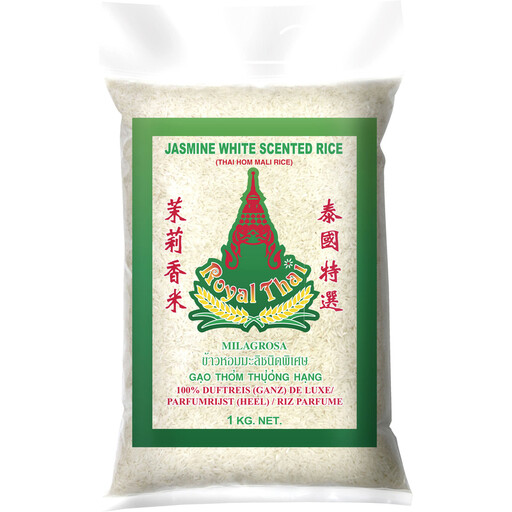
Why it suits this profile: The 1 kg pack is a manageable size for a first purchase or a small household that regularly cooks Asian dishes.
You don’t have to buy a large quantity before you know whether Thai jasmine rice suits your cooking style.
Thai origin, long grains, fragrant qualities according to the product description, and a 1 kg pack.
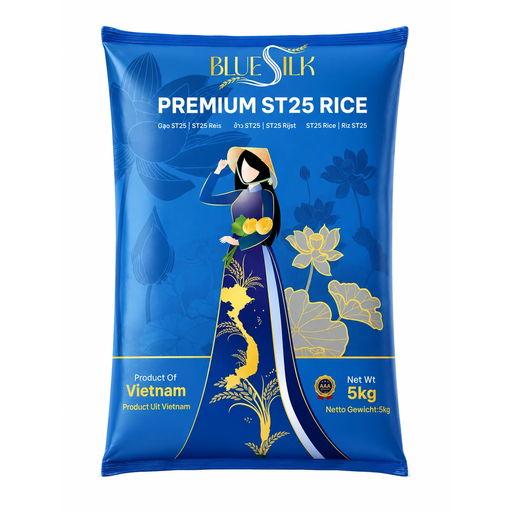
Why it suits this profile: This Vietnamese ST25 rice is an alternative to Thai jasmine rice if you’re looking for fragrant long-grain rice in a 5 kg pack.
The packaging specifies the type of rice, its origin in Vietnam and its ingredients: 100% Vietnamese rice.
5 kg pack, long grains and cooking instructions that include a 10-minute resting time, according to the product information.
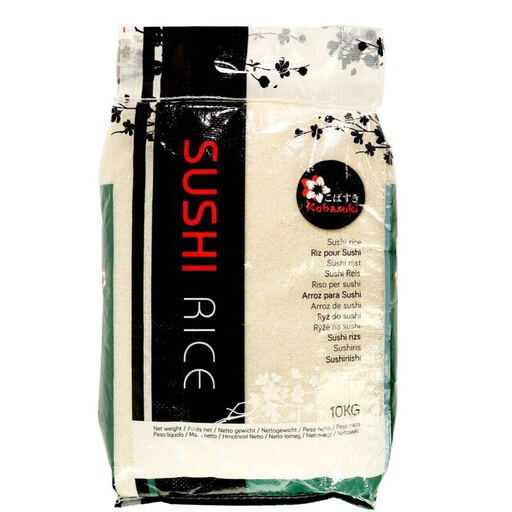
Why it suits this profile: Restaurants, sushi kitchens and caterers specifically looking for sushi rice can choose the 10 kg pack for regular use.
The product information specifically mentions round grains, a sticky texture and its suitability for sushi and rice bowls.
10 kg pack, suitable for sushi, Japanese dishes and rice bowls; the packaging also includes cooking instructions.
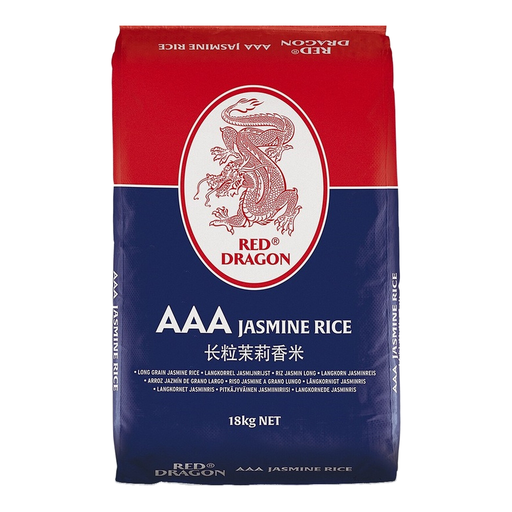
Why it suits this profile: The 18 kg bag is designed for anyone who serves rice regularly and wants to keep a supply for a household, restaurant or catering business.
The product name and description clearly state its Cambodian origin, AAA rating, long-grain type and 18 kg net weight.
100% Cambodian jasmine rice according to the product information, suitable for stir-fries, curries and rice bowls.
We’ve put together a complete, up-to-date list of products that meet these strict selection criteria and current European safety regulations.
The terms are sometimes used interchangeably by online shops, but always check the official product name, ingredients and origin. Jasmine rice is usually a fragrant long-grain rice. The exact texture and aroma can vary by variety and brand.
It depends on how many people are eating and how often you cook rice. A 1 kg pack is a good way to try a product. For regular use, a 5 kg bag is often more convenient. Only choose 10 kg, 18 kg or 20 kg bags if you’ll use enough rice and can store the bag somewhere dry and sealed.
Choose a product labelled sushi rice, short grain or round grain. Kobasuki Sushi Rice and Taiyori Sushi Rice are described in their product information as specially made for sushi. Thai jasmine rice and other long-grain varieties are generally intended for dishes where the grains stay separate and fluffy, and have a different texture.
