
Vandaag of morgen in huis

Kwaliteit gegarandeerd

Welkomstaanbiedingen ontgrendelen: GRATIS bezorging | Tot 80% korting | Gratis 30 dagen JoyPlus-proefperiode
Download de app
Buying Japanese tea and matcha might seem straightforward, until you look at the range on offer. There are loose powders, tea bags, instant mixes, ready-to-drink green teas and latte products. The packaging may have a traditional look, while the product itself is mostly made up of sugar, milk powder or flavourings.
If you compare carefully, you can avoid a bad purchase. Pay particular attention to the ingredients, the preparation method and the amount of matcha or tea per serving. Below, you’ll find out which differences matter and which products suit specific situations.
Matcha powder and a matcha latte are not the same thing. Pure matcha is made from finely ground green tea. A latte powder often also contains sugar, milk powder, dextrin or vegetable oil. This makes preparation easier, but the taste and nutritional value are clearly different.
Always check the ingredients list. If sugar is listed as the first ingredient, a large part of the mix is sugar. A product like pure organic matcha, on the other hand, should have a short ingredients list.
Terms like “ceremonial”, “premium” or “authentic” do not automatically give a verifiable indication of quality. Instead, look at the stated origin, the net weight, the product form and the ingredients.
With Uji matcha, it matters whether the product information actually states Uji matcha or Japanese green tea. According to the product description, this is the case with, for example, Nittoh Instant Matcha Au Lait and HISHIWAEN UJI MATCHA. We do not take a claim about taste or effect from a brand as a confirmed fact.
An instant matcha latte can be convenient, but it may contain a lot of sugar and milk components. Nittoh Instant Matcha Au Lait, for example, lists sugar, lactose and skimmed milk powder as ingredients. According to the product information, Ranong Tea Instant Matcha Green Tea Latte contains, among other things, 26.5% whole milk powder and 9.7% matcha green tea powder.
If you want to drink it sugar-free, it is better to choose a pure powder or a ready-to-drink green tea without added sugar. Always check the current packaging, allergen information and nutritional table with every purchase.
For a pure green tea, the ingredients should be simple: green tea, sencha, matcha or a combination of these. With genmaicha, for example, the blend consists of green tea and roasted brown rice. This gives it a nutty, toasted flavour.
With latte products, sugar and milk often determine the final result. That is not necessarily a disadvantage, but it is important when you want to order Japanese tea online for daily use.
Choose the form that suits your routine:
Also pay attention to the portion size. Individual sticks are handy for on the go, while a jar of 30 or 40 grams is better if you want to control the dosage yourself.
Matcha loses its aroma more quickly after opening when exposed to heat, light and moisture. Therefore, store an opened product tightly sealed in a cool, dry place and follow the date on the packaging.
With loose powders, a damaged package is a reason not to use the product. With ready-to-drink bottles, check the best-before date and the storage instructions on the label.
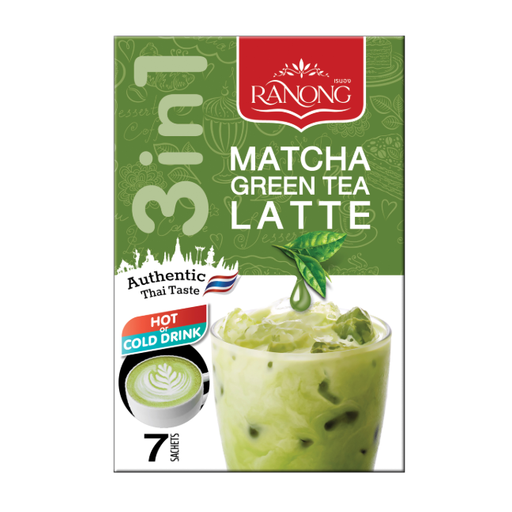
Why this fits the profile: The instant mix is easy to prepare with hot water and suitable for anyone trying a matcha latte for the first time.
The product information clearly states sugar, milk powder and matcha powder. So you know it is a latte mix and not pure matcha.
Instant preparation, 119 gram content and a clearly stated milk allergen.
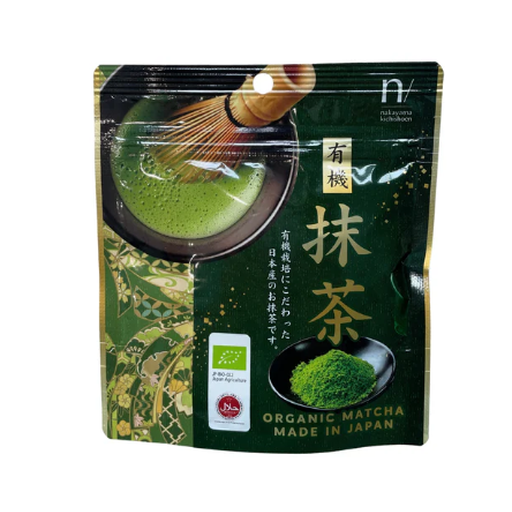
Why this fits the profile: The product description states 100% organic green tea, matcha and tencha, with no added flavourings or other ingredients.
The short ingredients list makes the difference from a sweet matcha latte powder mix immediately clear.
30 grams of pure powder, suitable for tea, lattes, smoothies and baking.
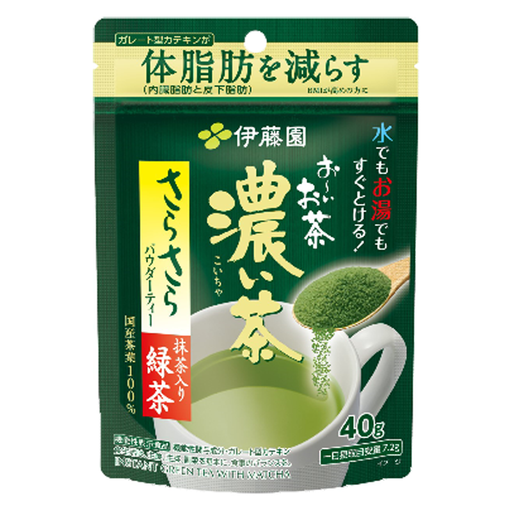
Why this fits the profile: This powder combines green tea and matcha and can be mixed with hot or cold water according to the product information.
The product description states tea and matcha as the base and does not mention sugar; always check the current label though.
40 grams of instant powder, suitable for hot and cold preparation.
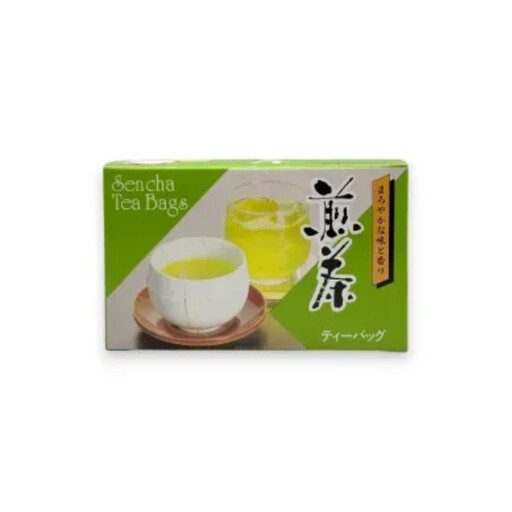
Why this fits the profile: Individually wrapped bags are practical for home, the office and on the go.
The packaging states 20 individual bags and sencha green tea leaves, so the dosage and product form are clear.
20 individually wrapped portions and suitable for hot or cold preparation.
We have put together a full, up-to-date list of products that fully meet these strict selection criteria and comply with current European safety regulations.
First, sift a small amount of matcha powder into a bowl or mug. Add a little warm water and stir until you have a smooth paste. Then top up with water or milk. Do not use boiling water; a lower temperature helps to achieve a less bitter taste. With instant products, always follow the preparation instructions on the packaging.
This varies per package, but matcha generally stays most aromatic when you store it tightly sealed, dry and out of direct sunlight. Always use the best-before information on the label. It is better to buy an amount you will use within a reasonable time, for example 30 grams for regular home use.
Sencha is a green tea with a fresh, grassy flavour. Genmaicha combines green tea with roasted rice and therefore has a nutty aroma. Hojicha latte uses roasted tea and is often experienced as softer and warmer in taste. A latte mix also usually contains sugar and milk components. So check the ingredients list before you order.
