
Vandaag of morgen in huis

Kwaliteit gegarandeerd

Welkomstaanbiedingen ontgrendelen: GRATIS bezorging | Tot 80% korting | Gratis 30 dagen JoyPlus-proefperiode
Download de app
Buying Japanese snacks sounds simple, but the range varies widely in flavour, origin, pack size and ingredients. Eye-catching packaging does not automatically mean that a snack will suit you. If you choose based solely on a popular brand name or a limited-edition flavour, you could end up with a small pack, a short shelf life or allergens that were not immediately obvious.
With this practical guide, you can focus on the points that matter most to UK consumers: flavour profile, contents, allergens, nutritional information and storage. This makes it easier to compare Japanese biscuits, Japanese sweets, Japanese chocolate and Japanese wafers using verifiable product details rather than marketing copy.
With imported snacks, the packaging can look larger than the actual contents. For example, a box containing nine individually wrapped wafers is convenient for sharing, but it is not the same as one large bag of biscuits. Always check the net weight and the number of portions.
For example, a KitKat pack may contain 9 pieces of approximately 11.6 grams each. That is practical for a treat or gift, whereas a 66-gram pack of Oreo is more suitable for a small snack break.
Product names such as KitKat Japan, Pocky strawberry or Oreo varieties do not always refer to the same recipe as a similar product sold in a Dutch supermarket. The ingredients, sweetness, filling and country of origin may vary. So do not just look at the front of the pack; check the product description and ingredients list too.
According to the product information, Nestlé KitKat Strawberry Short Cake consists of wafers with strawberry flavour, white chocolate and freeze-dried strawberry pieces. This is a different flavour profile from a classic milk chocolate bar.
Many Japanese and Asian snacks contain wheat, milk and soya. Some products may also contain traces of egg, almonds, peanuts, sesame or other nuts. If you have an allergy or intolerance, the packaging is the definitive source of information; online details may change or be incomplete.
Heat is another important consideration. Chocolate and chocolate-coated wafers can soften during transport or storage. KitKat Gold, for example, states that a white coating may appear after melting and re-solidifying due to oil separation. This can affect the appearance and flavour. Store these snacks in a cool, dry place away from direct sunlight.
First, decide what you are looking for:
Look out for words such as strawberry flavour, cream, wafer and cookie. A flavour name does not always indicate how much actual fruit or cocoa the product contains. The product information for KitKat Strawberry, for example, lists strawberry juice powder and freeze-dried strawberry pieces.
The price per pack can be misleading. When comparing products, calculate the price per 100 grams. Small individual snacks are convenient for school, work or a party, but may be relatively more expensive than a larger pack.
Examples from the range:
For a gift or tasting session, several small portions can be particularly practical. For a family or a film night, a multipack or larger pack may be a better choice.
Nutritional values are usually given per 100 grams, while an individual portion may be much smaller. KitKat Gold, for example, lists approximately 62 kcal per piece weighing 11.6 grams. Oreo Original lists 476 kcal per 100 grams, including 38 grams of sugars per 100 grams. This information makes it easier to compare different types of Japanese chocolate, biscuits and wafers fairly.
Pay particular attention to:
If in doubt, always use the label on the packaging you receive. The manufacturer may change the ingredients or packaging.
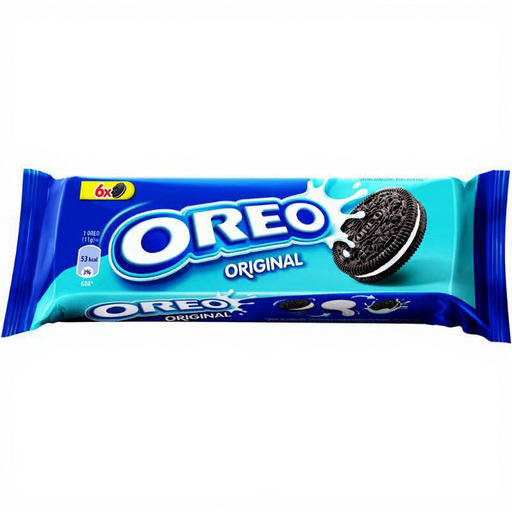
Why it suits this profile: The 66-gram pack is a manageable choice for anyone trying international snacks for the first time and not wanting to order a large stock.
The net weight and nutritional values are clearly stated. This makes it easy to compare the product with other Oreo varieties.
Cocoa biscuits with vanilla filling; compact size; according to the product information, produced by Mondelez Nederland B.V.
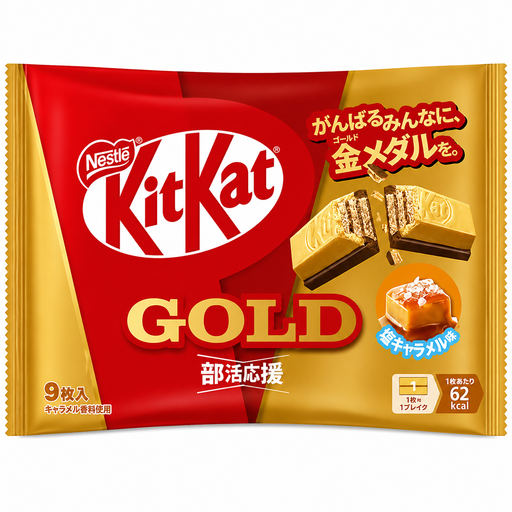
Why it suits this profile: The combination of wafers, chocolate and salted caramel flavour is ideal if you want a familiar brand with a distinctive twist.
The number of pieces, weight per piece and allergens such as wheat, milk and soya are listed in the product information.
9 individually wrapped wafers; approximately 62 kcal per piece; caramel flavour with a sweet-and-salty profile according to the product description.

Why it suits this profile: The small size is convenient for lunchboxes, study breaks, parties or creating an assortment with several Asian snacks.
The contents weigh 45 grams and the allergens wheat, milk and soya are stated. This makes it clear what you are ordering and who it may be suitable for.
Crispy biscuit sticks with strawberry flavour; compact and easy to take with you; suitable for spreading across several snack breaks.
We have put together a complete, up-to-date list of products that fully meet these strict selection criteria and the applicable European safety regulations.
Create a simple shortlist before checking out. For example, choose one chocolate product, one fruity snack and one classic biscuit. Then check the best-before date on the packaging, the storage instructions and the allergens. With chocolate products, it is advisable not to order more in warm weather than you expect to use in the short term.
Individual Pocky, KitKat or Meito portions are convenient for parties. For home use, an Oreo multipack may offer better value per 100 grams. If you are putting together a gift box, you can combine Japanese snacks with other imported treats, such as Korean Choco Pie or Turkish chocolate wafers.
You can order Japanese snacks online from specialist online shops and international ranges. When comparing products, check the product weight, origin, ingredients, allergens and the information on the packaging.
It depends on the product. Fruit-flavoured chocolate, biscuits with a creamy filling and some wafers can contain relatively high levels of sugar. Compare the nutritional value per 100 grams and check the portion size rather than looking only at the flavour name.
Store them according to the label in a cool, dry place, away from direct sunlight and heat sources. Seal opened packaging carefully. Chocolate can soften at high temperatures and develop a light bloom after cooling; if in doubt, always check the packaging and product information.
