
Vandaag of morgen in huis

Kwaliteit gegarandeerd

Welkomstaanbiedingen ontgrendelen: GRATIS bezorging | Tot 80% korting | Gratis 30 dagen JoyPlus-proefperiode
Download de app
Buying Japanese snacks might seem straightforward – until you start comparing different types of cake, fillings and packaging. A pretty wrapper tells you little about the texture, portion size or shelf life. Terms like “premium”, “authentic” and “natural” can also distract you from the information you actually need.
So keep an eye out for three common pitfalls:
With the right checks, you’ll find it easier to choose a Japanese cake for tea time, sweet Japanese snacks for on the go, or a box to give as a gift.
Many Japanese sweets contain wheat, egg, milk and soya. This applies to Japanese baumkuchen, castella cake and dorayaki, among others. Don’t just rely on the product photo – check the actual packaging too. Product information on a webpage can differ from the label on the item you receive.
Look out for the following mentions:
A flavour labelled “milk” or “milk cake” doesn’t automatically mean it’s suitable for everyone with a milk allergy. Always use the allergen information on the packaging as your guide.
A 160g bag might contain several small portions, whereas an 80g cake could be a single individually wrapped item. This difference matters in practice:
The Atom Japanese Milk Baum Cake 80g and Atom Japanese Banana Baum Cake 80g are individually wrapped according to the product description. The Sakuraseika Amaou Strawberry Castella contains three separately wrapped pieces weighing 105g in total. This makes it easier to store the portions after you’ve eaten one.
Soft cake only stays pleasant if you store it as instructed. Products like baumkuchen and some dorayaki can be kept cool and dry according to the product information. Other Japanese desserts need to stay chilled.
Examples:
Always check the date on the packaging. The actual shelf life may vary from delivery to delivery.
The choice mainly depends on flavour, size and when you plan to eat it. Baumkuchen is made up of thin layers and usually has a soft, moist texture. You’ll find varieties with milk, banana, chocolate and strawberry. Castella cake is a light, airy Japanese sponge cake, often packed in small pieces. Dorayaki consists of two soft cake halves with a filling, usually sweet red bean paste.
When comparing, you can look at:
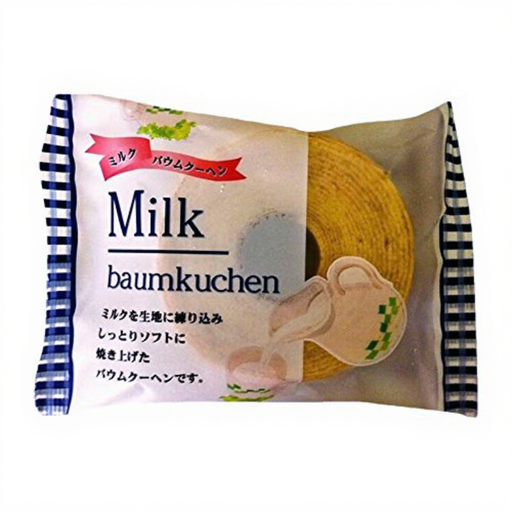
Why this suits the profile: The 80g size is manageable for anyone trying Japanese baumkuchen for the first time. The individually wrapped cake is perfect for a single snack or a tea break.
The portion is clearly stated and individually wrapped, so you don’t have to store a larger opened pack for several days. According to the product information, the cake contains no artificial colours or preservatives; always check the current label before purchase.
80 g per piece; soft, layered texture; milk flavour; contains wheat, egg, milk and soya.
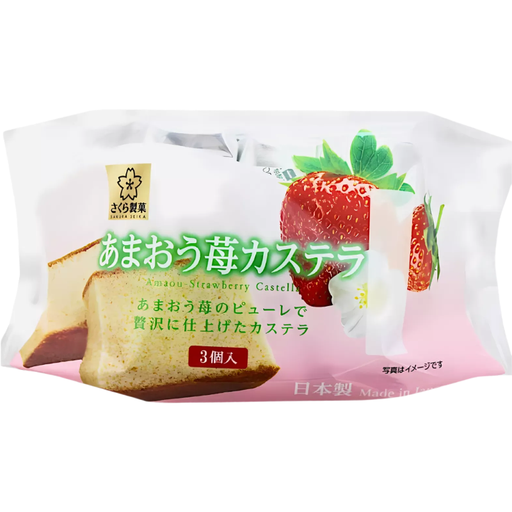
Why this suits the profile: This castella cake contains three separately wrapped pieces with a strawberry flavour. It’s ideal for anyone looking for a well-presented box for a tea moment, guests or a small gift.
The contents are clear: three pieces weighing 105g in total. Because this product needs to be stored chilled, it’s less suitable for leaving in a cupboard for an extended period.
Three individually wrapped pieces; Amaou strawberry flavour according to the product description; soft castella texture; requires chilled storage.
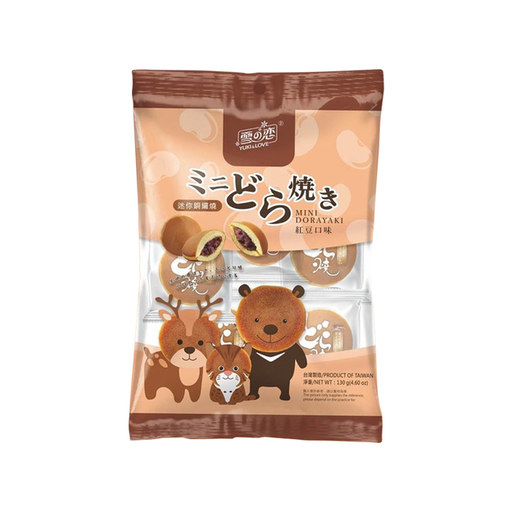
Why this suits the profile: These mini dorayaki are designed for multiple small snacking occasions. The red bean filling offers a different flavour profile from milk, fruit or chocolate cake.
The bag contains individually wrapped portions, making sharing and taking them with you much easier. The ingredients list includes wheat, egg and soya; traces of peanuts, milk, nuts and sesame may also be present.
130 g total; mini portions; red bean paste filling; suitable for on the go or with coffee and tea.
We’ve put together a full, up-to-date list of products that fully meet these strict selection criteria and comply with current European safety regulations.
Individually wrapped snacks are usually the most practical for taking with you. Think of small dorayaki, castella cake in separate pieces and 80g baumkuchen. Check beforehand whether the product needs to be kept chilled. A chilled product is less suitable for a long journey without a cool bag.
Dorayaki consists of two soft cake halves with a filling, often red bean paste. Castella cake is a soft, airy sponge cake that’s often sold in slices or individual pieces. Japanese baumkuchen is recognisable by its fine, layered ring structure. The flavour can range from milk and banana to chocolate or strawberry.
This varies by product and packaging. Check the best-before date on the label and follow the storage instructions. Store unopened cake as directed, seal an opened pack well, and consume chilled products within the time stated on the packaging. If the packaging is damaged, it’s best not to use the product.
