
Vandaag of morgen in huis

Kwaliteit gegarandeerd

Welkomstaanbiedingen ontgrendelen: GRATIS bezorging | Tot 80% korting | Gratis 30 dagen JoyPlus-proefperiode
Download de app
Buying Japanese snacks might seem straightforward, but the range varies widely in flavour, portion size, origin and storage advice. A colourful packet tells you very little about what’s actually inside. If you only rely on a well-known name or an appealing product photo, you could end up with a snack that’s too sweet, contains allergens, or quickly loses its texture.
This applies to Japanese biscuits, Japanese sweets, Japanese cake and popular snacks such as Pocky, mochi and dorayaki. With the following checks, you can compare more effectively and choose something that suits your occasion: on the go, in a lunchbox, with tea, or as a gift.
Matcha, strawberry, milk, chocolate and red bean are often prominently displayed on the packaging. Yet the flavour can be combined with a sweet filling, flavouring or chocolate coating. If you’re expecting a strong matcha taste, you might end up with a biscuit where chocolate and sugar are more dominant.
So look at the ingredients list rather than just the front of the pack. Also pay attention to the difference between a product containing strawberry powder, strawberry purée, or only strawberry flavouring.
A 40g or 50g bag might seem affordable, but it can contain just a single portion. Always compare the net weight and, where available, the price per 100g. Individual packets are handy for school, work or on the go, but they can work out more expensive than a larger pack.
This is especially important with Japanese wafers, Pocky and small biscuit packs. For a gift or a tasting selection, a variety pack with small portions can actually be very practical.
Mochi, dorayaki and cake often have a different texture and shelf life to dry biscuits. Some cakes need to be kept refrigerated according to the product information, whereas biscuits should usually be stored in a cool, dry place.
Always check before ordering:
The information on a website can change. The physical packaging is the definitive source for ingredients, warnings and usage advice.
First, decide what you’re looking for. For a crunchy snack, Japanese biscuits, Pocky and Hello Panda biscuits are a good fit. If you want a soft bite, look at mochi, dorayaki or Japanese cake. For a savoury option, a seaweed snack or nori with sesame is worth comparing.
Look out for descriptions such as “filling”, “coating”, “mousse” and “flavour”. These indicate how the taste and texture are built up, but they don’t guarantee that a snack will taste exactly as you expect.
Under European regulations, allergens must be clearly listed. Still, check the label yourself, especially if you have an allergy or intolerance. For example, several biscuits in the range contain wheat, milk and soya. The Hello Panda variants with chocolate and strawberry list wheat, milk and soya among the allergens. The Yuki & Love Azuki Bean Mochi lists soya.
The 7FRESH Thickly Sliced Sesame Filled Nori Snack lists sesame as an allergen. So a seaweed snack isn’t automatically suitable for everyone who wants to avoid nuts or seeds.
A small pack is convenient for a lunchbox or on the go, but check the contents before ordering multiple items. For example, the Glico Pocky Strawberry is 45g, while the Glico Cloud Pocky Cheesecake is 48g. The Tokimeki Panda Cookie Biscuits come in 40g packs.
For fresh or soft products, the storage advice is crucial. The Sakuraseika Hokkaido Milk Cake and Amaou Strawberry Castella should be kept refrigerated according to the product information. Dry biscuits, wafers and nori, on the other hand, should generally be stored in a dry, cool place away from direct sunlight.
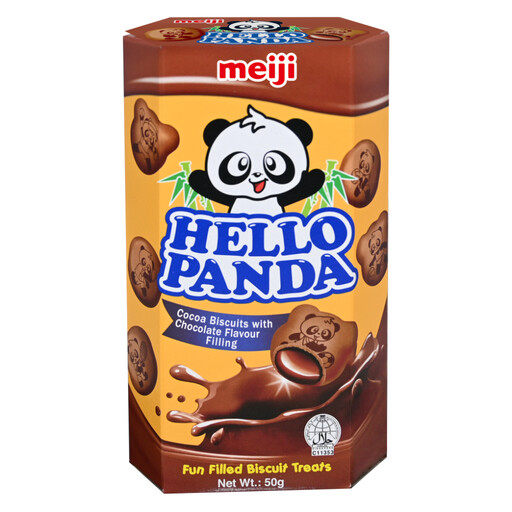
Why this fits the profile: The 50g pack is a straightforward introduction to Japanese biscuits with a chocolate filling.
The net weight and allergens are clearly stated in the product information. Do check the current label before purchase.
50g per pack; chocolate flavour; according to the product information contains milk, soya and wheat.

Why this fits the profile: A well-known Japanese snack in a compact pack, with a biscuit stick and strawberry flavour.
The 45g content is stated, so you can compare this pack against other Pocky variants.
45g; strawberry flavour; according to the product information contains wheat, milk and soya.

Why this fits the profile: This seaweed snack is aimed at anyone looking for a savoury, crunchy option for home, the lunchbox or sharing.
The pack states 85g, a sesame content of 5% and the allergen sesame. This lets you check the flavour and composition in advance.
85g; ready to eat straight away; according to the product information contains at least 85% dried seaweed.
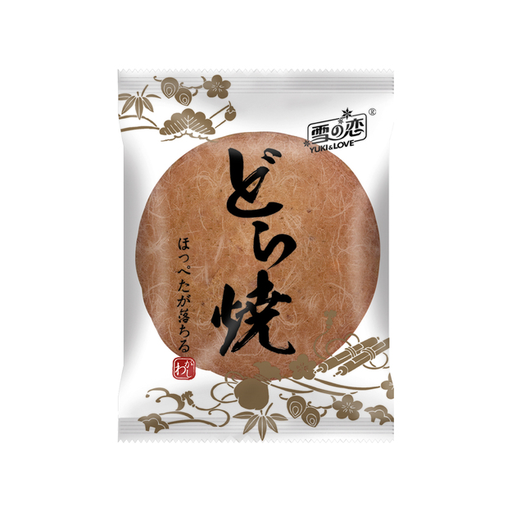
Why this fits the profile: Dorayaki combines two soft cake halves with sweet red bean paste and goes perfectly with tea or coffee.
The 55g portion and the red bean filling are stated in the product description. Soya, wheat and egg are also listed as allergens.
55g; 32% red bean paste according to the product information; ideal as an individual snack.
We’ve put together a full, up-to-date list of products that fully meet these strict selection criteria and comply with current European safety regulations.
Check the net weight, ingredients, allergens, origin and shelf life. Also see whether the product needs to be kept refrigerated. With an Asian snack that has an English or multilingual label, it’s important that the mandatory product information for the UK market is clearly available.
Dry Japanese biscuits, Pocky and wafers usually last longer than soft cake, mochi or dorayaki. The exact date is on the packaging. Store dry snacks in a cool, dry place, seal the bag after opening, and don’t use any product where the packaging is damaged.
Small packs such as Hello Panda biscuits, Pocky or panda cookies are practical for school, work and on the go. Do watch out for heat-sensitive chocolate and allergens. For a lunchbox without a sweet filling, a portion of nori or another seaweed snack can be a good alternative.
