
Vandaag of morgen in huis

Kwaliteit gegarandeerd

Welkomstaanbiedingen ontgrendelen: GRATIS bezorging | Tot 80% korting | Gratis 30 dagen JoyPlus-proefperiode
Download de app
Buying Japanese snacks seems straightforward, until you have to choose between biscuits, mochi, wafers, sweets and frozen products. Product photos and terms like “authentic”, “premium” or “natural” don’t always tell you what you’re actually getting. Small packs can also work out relatively expensive, while allergen information or storage advice sometimes only becomes clear on the label.
These practical checkpoints help you compare Japanese snacks based on ingredients, size, origin and use. That way, you’ll find something suitable for a film night, lunchbox, gift hamper or store cupboard more easily.
Japanese sweets, Japanese chocolate and Japanese biscuits are often sold per portion. A pack of 40 or 50 grams can be handy for on the go, but it isn’t automatically good value. So compare the net weight and price per 100 grams. For sharing with several people, a larger pack – such as a bag of mochi or a gyoza set – can be more practical.
A snack might be inspired by Japanese flavours or shapes, while the country of origin is Japan, Taiwan, China or South Korea. For example, the Yuki & Love Dorayaki comes from Taiwan according to the product information. The 7FRESH seaweed bar is described as being made in China. That doesn’t make them any less suitable as Asian snacks, but it is relevant information if you’re specifically looking for Japanese products.
Japanese wafers, dorayaki and mochi are usually sweet snacks. Gyoza, on the other hand, are a meal component that needs to be prepared and stored chilled or frozen. Seaweed snacks are generally ready to eat, but quickly lose their crispness once opened. So check the preparation method, storage temperature and best-before date in advance.
Read the ingredients list and allergen declaration for each product. Many Japanese biscuits and Japanese chocolate contain wheat, milk, soya or egg. Dorayaki may also list peanuts, nuts or sesame as possible traces. Gyoza often contain wheat and soya; the Ajinomoto product also mentions sesame.
Don’t rely solely on the product image or the flavour name. The packaging contains the most up-to-date information. If you have an allergy, it’s wise to check the physical label before consuming the product.
Shelf-stable snacks such as Pocky, biscuits, mochi and baumkuchen are usually best kept cool and dry, away from direct sunlight. Seal an opened pack well to limit drying out or loss of crunchiness. For mochi, an airtight container helps keep the rice layer soft.
Different rules apply to frozen products. Ajinomoto Chicken & Veggie Gyoza must stay frozen until use. According to the product information, you can pan-fry, steam or boil the gyoza. Once thawed, the product must not be refrozen.
Small portions are handy for school, the office, travel or a snack platter. The Meito Pukupukutai wafer is packed in 16.5-gram portions. The Tokimeki Panda Cookie is 40 grams and therefore easy to take with you. For a dessert or teatime treat, dorayaki, baumkuchen and mango mochi are a better fit.
Also pay attention to the expected texture:
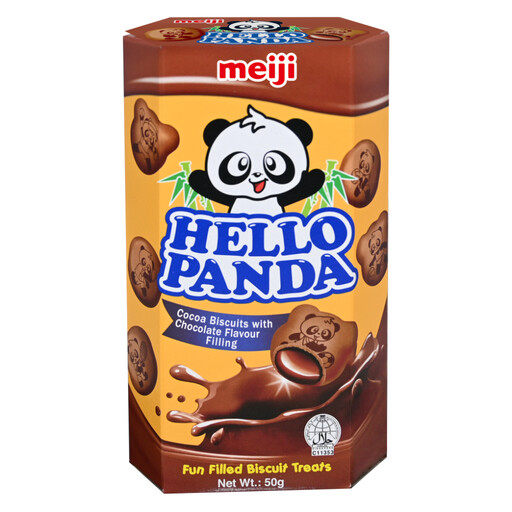
Why this fits the profile: A compact pack of crunchy biscuits with a chocolate-style filling is an easy entry point for anyone wanting to try different Japanese snacks.
The net weight of 50 grams is clearly stated. Do check the ingredients: this product contains milk, soya and wheat.
50-gram portion, easy to take with you and suitable for a sweet snack moment.
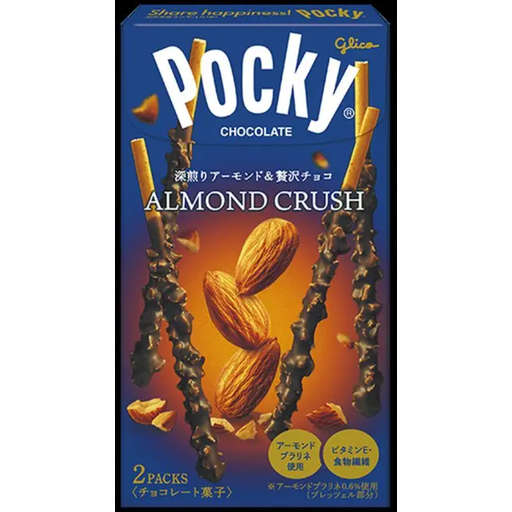
Why this fits the profile: The pack contains two portions, so you can share the snack or keep one portion for later.
The size and portion split are visible in advance. The ingredients list includes wheat, milk and soya among others.
Two wrapped portions, crunchy biscuit sticks and a cookies-and-cream-style flavour according to the product description.
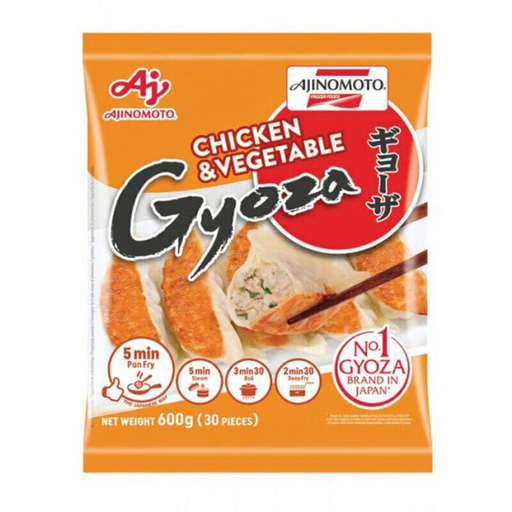
Why this fits the profile: Ideal for anyone who wants to keep savoury Japanese snacks or a quick-to-prepare meal component on hand regularly.
It’s clearly a frozen product weighing 600 grams. This prevents confusion with ready-to-eat snacks, as long as you keep it frozen and prepare it according to the label.
600 grams, with chicken and vegetables; suitable for pan-frying, steaming or boiling. Contains wheat, soya and sesame.
We’ve put together a full, up-to-date list of products that fully meet these strict selection criteria and comply with current European safety regulations.
For a first order, you can combine different textures:
With mochi, pay extra attention to milk and egg allergens. With seaweed snacks, check the salt content and the presence of sesame in particular. Brand claims about flavour or product properties come from their own product descriptions; treat them as information to compare, not as a guarantee of your personal experience.
Start with familiar flavours and small packs, such as chocolate biscuits, Pocky, dorayaki or a Meito wafer. That way you can try several products without buying large quantities straight away. If you prefer savoury, you can start with roasted nori or gyoza.
Store shelf-stable snacks in a cool, dry place away from direct sunlight. Seal biscuits, mochi and seaweed well. Frozen products must stay frozen until preparation. Always check the label, as the specific storage advice can vary per product.
That depends on the product. Many Japanese biscuits, wafers and dorayaki contain wheat, milk, soya or egg. Gyoza often contain multiple allergens. So check the full ingredients list and allergen information on the packaging before purchasing and consuming.
