
Vandaag of morgen in huis

Kwaliteit gegarandeerd

Welkomstaanbiedingen ontgrendelen: GRATIS bezorging | Tot 80% korting | Gratis 30 dagen JoyPlus-proefperiode
Download de app
Ordering Japanese products online is easy, but the range varies widely in composition, origin, packaging and use. A striking label doesn’t always tell you enough. A bottle of Japanese soy sauce, for example, may contain wheat; a spicy oil might be mostly oil; and a mochi snack could contain milk or soya.
With these practical checkpoints, you can compare Japanese snacks, Japanese sauces, Japanese ramen, udon noodles and Japanese cosmetics based on information you can check on the label or in the product description.
A product labelled “Japanese style” doesn’t have to be made in Japan. For instance, Taokaenoi Crispy Seaweed Japanese Sauce lists Thailand as its country of origin. That doesn’t automatically make it a bad choice, but it is relevant information if you’re specifically looking for products from Japan.
So check:
Many Japanese soy sauces contain wheat. This applies to Obento Japanese Style Soy Sauce, Murasaki Soy Sauce and Obento Sushi & Sashimi Soy Sauce, among others. If you need to avoid gluten, it’s wise not to just look at the front of the packaging.
Kikkoman Tamari Gluten Free Soy Sauce is made with soya beans according to the product description and contains no wheat in the listed ingredients. The allergen information does mention soya. Always check the current packaging with every purchase, as labels can change.
With Japanese chilli oil, it’s important to look at the ingredients. S&B La-Yu contains sesame oil, maize oil, chilli extract and paprika powder, among other things. Momoya Strong MA-LA Chili Oil also includes garlic, Sichuan pepper, sesame, soya products and chicken stock. These are different flavour profiles and not simply interchangeable products.
Also watch out for allergens. Sesame, soya, wheat and chicken can be relevant for food allergies or a vegetarian diet.
Always read the ingredients list for Japanese products, especially for:
A claim like “suitable for vegetarians” should always be checked against the current ingredients list. Recipes can vary by market or packaging.
A small bottle is handy for trying out a seasoning first, while a larger pack can be more economical for daily use. Examples:
With oils, pay attention to the ratio of pure oil to blends. A blended sesame oil can have a milder aroma and a different price per millilitre than pure sesame oil. Also check the storage instructions: some products need to be refrigerated after opening.
Japanese ramen and udon noodles differ in cooking time and texture. Ajinomoto Soy Sauce Ramen Cup is designed for hot water and a quick portion. Hikari Miso Restaurant Style Ramen Shoyu Taste contains separate flavour components and wheat noodles. Yi Wan Wu Dong Stir-Fried Udon comes with sauce, oil and sesame sachets and needs to be boiled and stir-fried.
For a quick lunch, you’d therefore choose a cup or simple sachet. For a more substantial meal, udon noodles with sauce and garnish are more suitable. Check beforehand whether you need a kettle, pan or frying pan.
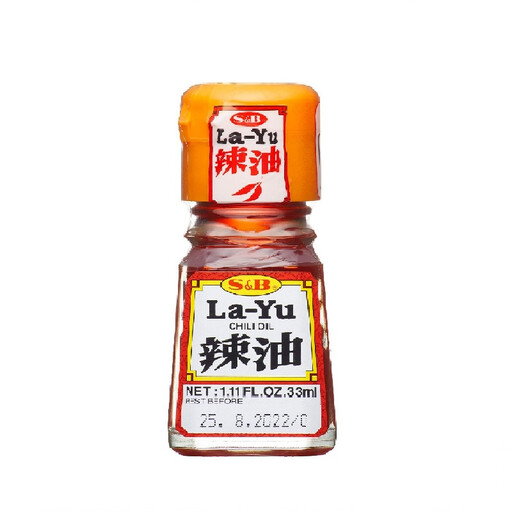
Why this fits the profile: The small bottle is a low-commitment way to try Japanese chilli oil without stocking up on a large supply. Use a few drops on ramen, rice, vegetables or curry.
The product description clearly lists the ingredients and size. This lets you compare the seasoning with spicier or larger variants.
33 ml; flip-top cap; contains sesame; can be used in several everyday dishes.
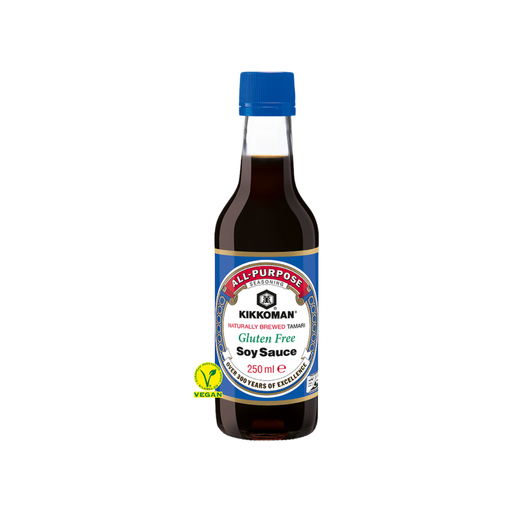
Why this fits the profile: This 250 ml tamari is aimed at those who carefully check gluten information and want a versatile Japanese soy sauce for cooking, marinating or dipping.
The listed ingredients are water, soya beans, salt and alcohol vinegar. Always check the current packaging and allergen information, though.
250 ml; soya bean based; product description states gluten-free; contains soya.
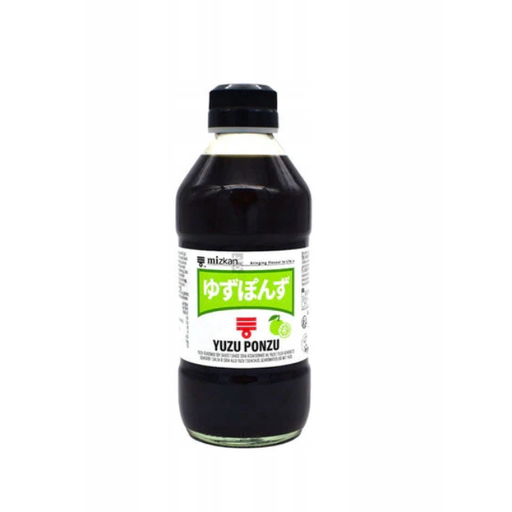
Why this fits the profile: Ponzu combines soy sauce with citrus. That makes this bottle ideal for anyone who often flavours dumplings, fish, tofu, salads or grilled vegetables.
The product information states 26% soy sauce, 4% yuzu juice and a salt content of 7.9 g per 100 g. This helps you assess the flavour and composition more accurately.
275 ml; yuzu and citrus components; suitable as a dip and dressing; refrigerate after opening according to product information.
We’ve put together a full, up-to-date list of products that fully meet these strict selection criteria and comply with current European safety regulations.
You can compare Japanese products online based on ingredients, allergens, content, preparation method and origin. This applies to Japanese snacks, ramen, sauces, mochi and toiletries. For cosmetics such as Japanese hair care, check whether the product is intended for your hair type and follow the usage and safety instructions on the packaging.
Tamari is generally made from soya beans. Regular Japanese soy sauce often also contains wheat. You need to check the difference per product. Kikkoman Tamari Gluten Free Soy Sauce lists a composition without wheat, while Murasaki Soy Sauce contains both soya and wheat.
Check the best-before date on the packaging and follow the storage instructions. Unopened sauces and dry ramen can usually be stored outside the fridge if the label says so. Mizkan Yuzu Ponzu should be refrigerated after opening according to the product information. Mochi and other snacks should be kept well sealed and sometimes need to be refrigerated after opening.
