
Vandaag of morgen in huis

Kwaliteit gegarandeerd

Welkomstaanbiedingen ontgrendelen: GRATIS bezorging | Tot 80% korting | Gratis 30 dagen JoyPlus-proefperiode
Download de app
If you want to buy Japanese mochi, you’ll quickly come across lots of colourful packaging with flavours like matcha, strawberry, coconut, fruit and bubble milk tea. However, an eye-catching packet tells you very little about the texture, ingredients or whether it’s right for you. One mochi is a soft Japanese rice cake with a filling, while another is more of a sweet treat with a similar chewy bite.
With these practical checks, you can compare mochi sweets and other Asian snacks in a clear and straightforward way.
“Strawberry mochi”, “matcha mochi” or tropical mochi could refer to fruit powder, fruit juice, flavouring or a composite filling. So always check the ingredients list. For example, Q-Brand Cacao Mochi Strawberry Flavor lists strawberry as a flavour direction, but the filling contains milk, soya and flavouring among other things.
With matcha too, it’s worth looking at the proportion of green tea paste or matcha powder. Yuki & Love Mochi Green Tea contains green tea paste and green tea powder. That makes the product information clearer than just a picture of a green packet.
The texture is determined by glutinous rice flour, tapioca starch, maltose, syrups and thickeners. Some products are mainly elastic and chewy, while others have a softer, creamier filling. A Japanese rice cake can also become firmer once the packet is opened and the product is stored incorrectly.
So pay attention to:
If the texture is very sticky, take small bites and follow the usage instructions on the packet. This is especially practical when sharing mochi with children or older family members.
A 180g or 210g packet might look appealing for a group, but check the portion size, the number of pieces and the shelf life after opening. Individually wrapped pieces, as found in some varieties, are more convenient for sharing, taking on the go or putting in a gift hamper. A smaller packet can be more suitable if you want to try a new flavour first.
Always read the label before ordering. Many mochi varieties contain soya, milk or possible traces of gluten. For example, Q-Brand Japanese-Style Red Bean Mochi mentions possible traces of gluten-containing cereals. Royal Family Mochi Creamy Coconut contains soya, while the bubble milk tea variety lists milk.
Under EU regulations, the main allergens must be clearly stated in the ingredient information. If in doubt, check the current packaging, as recipes and labels can change.
Mochi is generally a sweet snack made from rice flour, maltose or sugar. The nutritional values vary depending on the recipe. Examples from the product information:
Use these figures to compare portions, not to judge a product based on a single number. The recommended portion depends on the number of pieces and when you’re eating the snack.
Store mochi according to the label, usually in a cool, dry place away from direct sunlight and heat. Several products state that they should be kept refrigerated after opening and consumed within the specified period. Seal the packet tightly to prevent drying out and loss of quality.
If you’re buying Japanese snacks online, it’s also a good idea to check the best-before information, net weight and the responsible supplier. The date on the packaging is what matters.
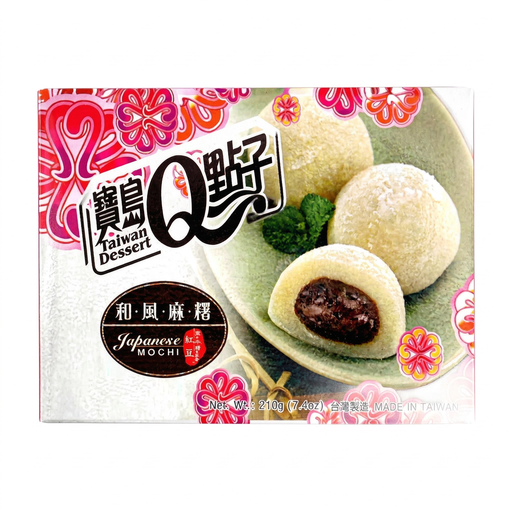
Why this suits the profile: The 210g packet is ideal for sharing at home or for getting to know a traditional red bean filling.
The ingredients and nutritional values are listed, including a warning that traces of gluten-containing cereals may be present.
210g, soft chewy texture and red bean paste as a recognisable filling.
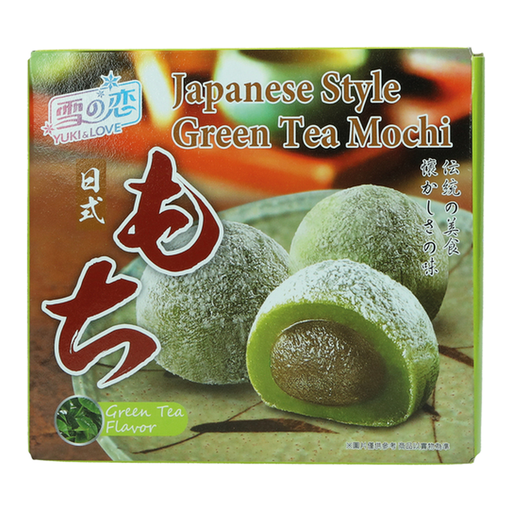
Why this suits the profile: A logical choice for anyone who deliberately looks for green tea in the ingredients list rather than just a flavour name on the packet.
The product information lists green tea paste and green tea powder separately. This makes it easier to compare the flavour direction.
140g, Japanese rice cake style and approximately 340 kcal per 100g according to the product information.
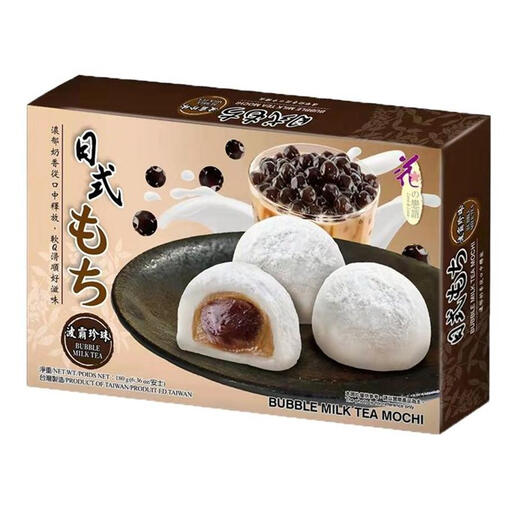
Why this suits the profile: The individually wrapped pieces are practical for the cupboard, as a treat or for sharing with several people.
The product description mentions the milk tea filling, individual wrappers and storage advice. Do check the milk allergen on the label.
180g, chewy outer layer, milk tea filling and individually wrapped portions.
We’ve put together a full, up-to-date list of products that fully meet these strict selection criteria and comply with current European safety regulations.
This varies by brand and recipe. Store opened mochi according to the packaging; some varieties need to be refrigerated and eaten within three to five days. Always check the smell, texture and packaging before consuming a product.
Mochi usually contains glutinous rice flour or a similar starch, giving it a soft, elastic texture. Ordinary sweets, such as hard sweets or gummies, often use sugar syrup, gelatine or pectin as a base. There are also Asian snacks that are “mochi-style” and contain other starches alongside rice flour.
For an easy introduction, you could go for fruit, strawberry or coconut. If you’re after a less obvious flavour, try matcha, red bean, ramune or bubble milk tea. Above all, compare the ingredients, allergens, packaging and quantity before you order.
