
Vandaag of morgen in huis

Kwaliteit gegarandeerd

Welkomstaanbiedingen ontgrendelen: GRATIS bezorging | Tot 80% korting | Gratis 30 dagen JoyPlus-proefperiode
Download de app
Buying Japanese instant ramen might seem straightforward: pick a flavour, add hot water and you're done. However, ramen noodles vary significantly in size, preparation method, salt content, ingredients and shelf life. A cup for the office, for instance, is not the same as a pack of Japanese ramen noodles for a full meal.
The biggest mistakes usually come down to three pitfalls:
A ramen cup is practical when you only have hot water available, for example at the office, in a student room or on the go. Preparation typically involves adding water and waiting a few minutes. A sachet of Japanese instant ramen usually needs to be cooked in a pan. This requires a bit more preparation, but it's easier to add extra ingredients.
When comparing, pay attention to:
The name gives an initial clue, but also check the ingredients list.
The nutritional values are often given per 100 grams, whereas the pack contains one serving. Therefore, look at the total weight and the amount of seasoning or sauce you actually use. For some varieties, the salt content is relatively high according to the product information.
Pay particular attention to:
European labelling regulations require that major allergens are clearly stated. If in doubt, it is wise to consult the packaging before ordering or preparing.
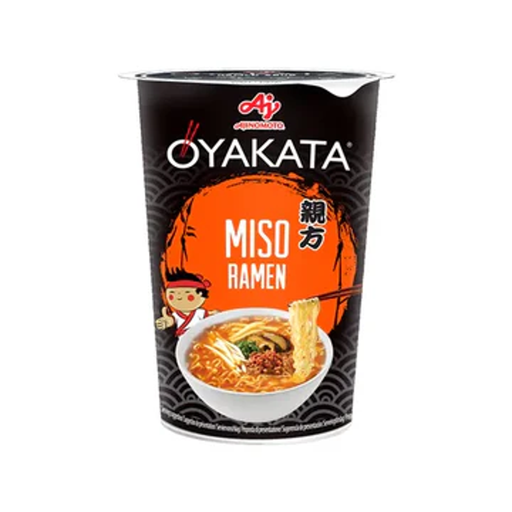
Why this fits the profile: The cup format and 66-gram portion are practical for a quick lunch, snack or first introduction to miso ramen. Only hot water is needed according to the product information.
The weight and cup format make it clear that this is a single, light portion and not a large bulk pack. Wheat and soya are listed as allergens.
66 grams, miso flavour, no pan required and, according to the product information, free from artificial colourings.
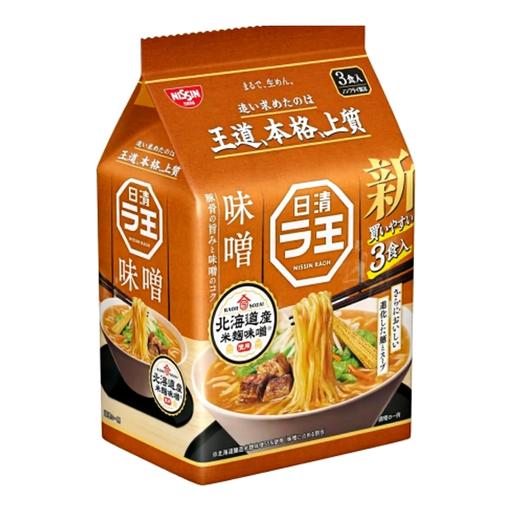
Why this fits the profile: This pack contains three servings and is suitable for those who want to plan multiple meals and add their own toppings such as spring onion, egg or vegetables.
The packaging clearly states three servings and the product information lists wheat, egg, milk, sesame, soya, chicken and pork. This allows you to tailor your choice to your diet.
297 grams total, three servings and a miso broth with pork bone extract and vegetables according to the product description.
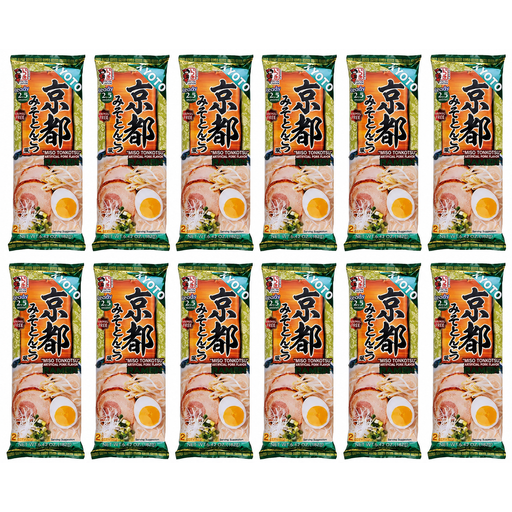
Why this fits the profile: The box of 12 packs suits households, shared cupboards and regular eaters who want to build a steady cooking supply.
The product page states a preparation time of 2.5 minutes and lists the allergens wheat, soya and sesame. The large pack prevents you from relying solely on individual cups.
12 × 182 grams, Kyoto miso tonkotsu flavour and a short preparation time according to the product information.
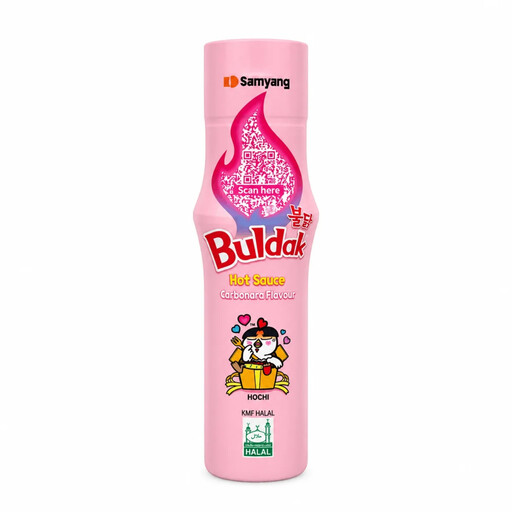
Why this fits the profile: This sauce is suitable when you want to control the level of heat yourself and customise plain instant ramen, rice or stir-fry dishes.
You don't have to buy a whole pack of very spicy noodles straight away. Dose the sauce per meal and check the listed allergens, which include milk, soya, wheat, celery and nuts.
165 ml, squeezy bottle and usable for noodles, soups, rice and stir-fry dishes according to the product description.
We've put together a full, up-to-date list of products that fully meet these strict selection criteria and comply with current European safety regulations.
A ramen cup is practical if you can only use hot water. For a larger meal, sachets of around 176 to 188 grams or a multi-serving pack are more suitable. Feel free to add egg, tofu, vegetables, spring onion or seaweed, as long as it fits your diet and allergies.
Dry instant ramen generally remains edible until the date on the packaging when stored in a cool, dry place away from direct sunlight. Check the packaging for the exact best-before date. Do not use any product whose packaging is damaged or has become damp.
Japanese varieties often emphasise miso, shoyu, tonkotsu or a light broth. Korean instant noodles are more commonly known for powerful spices, thicker sauce or spicy flavours, such as Buldak. The differences are not absolute: read the ingredients, preparation method and allergen information per product.
