
Vandaag of morgen in huis

Kwaliteit gegarandeerd

Welkomstaanbiedingen ontgrendelen: GRATIS bezorging | Tot 80% korting | Gratis 30 dagen JoyPlus-proefperiode
Download de app
Buying international vegetable products might seem straightforward – until you’re standing in front of a shelf or browsing a webshop full of jars, bags and frozen packs. Whether you’re after a quick side dish, a spicy addition to noodles, or a stock of tinned vegetables, what really matters is ingredients, portion size and storage instructions, not just an eye-catching package.
A 820ml or 900ml jar might look attractively priced, but check whether the stated weight is the drained weight or the total weight. With pickled vegetables, part of the contents is water, vinegar or brine. Always compare the net quantity, the drained weight and the price per 100 grams.
Flavour descriptions are subjective. A product with an Asian name could contain chilli, sesame, peanut, soya or wheat. Always check the ingredients list and allergen information. A product like kimchi may contain radish, garlic, ginger and a seasoned sauce alongside the cabbage.
An unopened jar of tinned vegetables is stored differently from a frozen seaweed salad or a ready-to-eat salad. Pay attention to the instructions on the packaging. A bulging lid, damaged packaging or a broken safety seal is a reason not to use the product.
Start with the first ingredients on the label – these are listed in descending order by weight. For vegetable salads such as Rolnik Greek Salad, the main ingredients include gherkin, carrot, pepper and onion. With Kühne Puszta Salad, it’s a sweet-and-sour mix of gherkin, pepper, onion and carrot.
Also check the allergens. According to the product information, the Japanese mix from g’woon contains peanuts, sesame, soya and wheat, among other things. Always compare allergen information with the current label, as packaging and recipes can change.
Pickled vegetables, kimchi and sweet-and-sour salads often contain salt, sugar, vinegar or a combination of these. That’s part of the flavour and preservation, but the amount varies by product. For example, HAK Extra Fine Peas and Carrots lists 0.31g of salt per 100g, while Kühne Puszta Salad contains 1.2g of salt per 100g.
Don’t just look at the front of the packaging. The nutrition table gives you a verifiable comparison per 100g. With red cabbage and apple, the sweeter taste may come from added sugar and apple pieces; HAK states 8.9g of sugar per 100g for this product.
Choose a small pack if you only need a side dish for one or two people. A larger jar or multipack is better for regular use, as long as you can store the contents according to the label after opening.
Pay particular attention to:
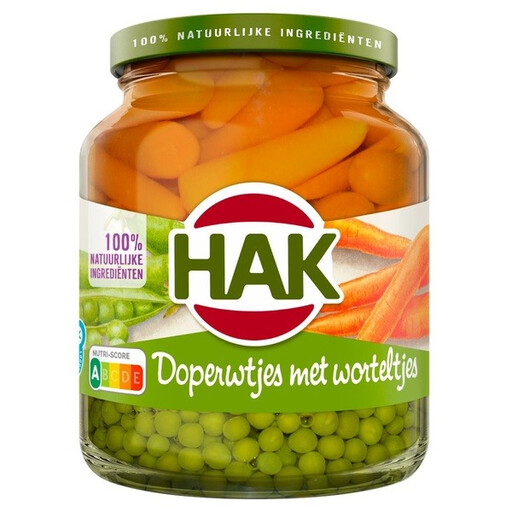
Why it fits this profile: The compact jar is ideal if you want a familiar vegetable side dish without much preparation. The contents can be gently heated or added to a warm meal.
The 195g pack means you’re less likely to buy too much for a small household. The product information states 0.31g of salt per 100g and a short ingredients list.
Peas and carrots in one jar; 195g; according to the product information, free from the 14 major EU allergens.
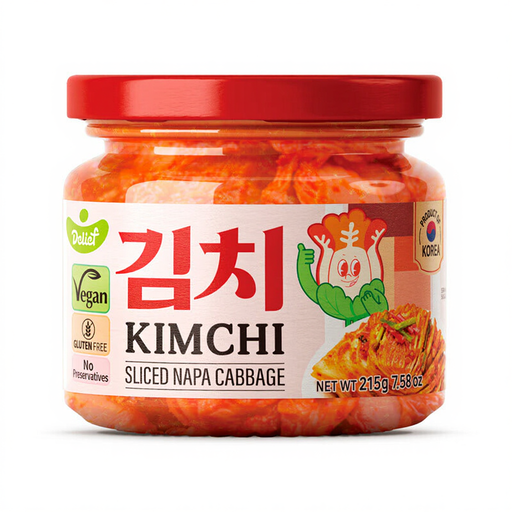
Why it fits this profile: This Korean speciality is pre-sliced, making it easy to use as a side dish or to add to rice and noodles.
The ingredients list clearly shows that radish, red pepper, garlic, onion, ginger and apple purée are used alongside the cabbage. This means you buy based on what’s inside, not just the name.
Sliced Chinese cabbage; 215g pack; clear information about ingredients and storage.
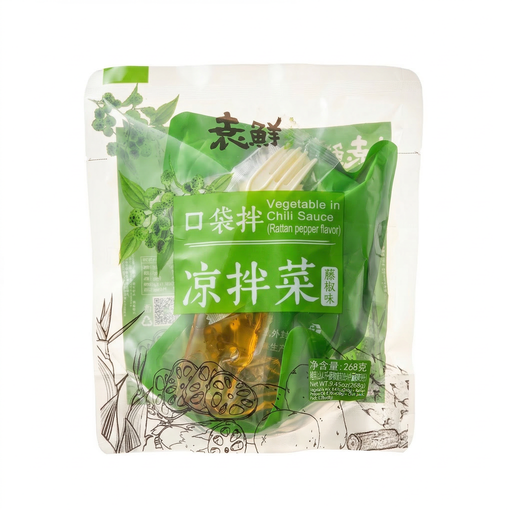
Why it fits this profile: These ready-to-eat vegetables are designed to be used without a pan. You open the pouch, add the seasoning sachets and mix everything directly in the pack.
The product information states the flavour, preparation method and allergens upfront. The product contains sesame, soya and peanuts, among other things, so check the label before use.
268g; ready to eat; a mix of potato, bamboo shoot, kelp, mushroom and lotus root.
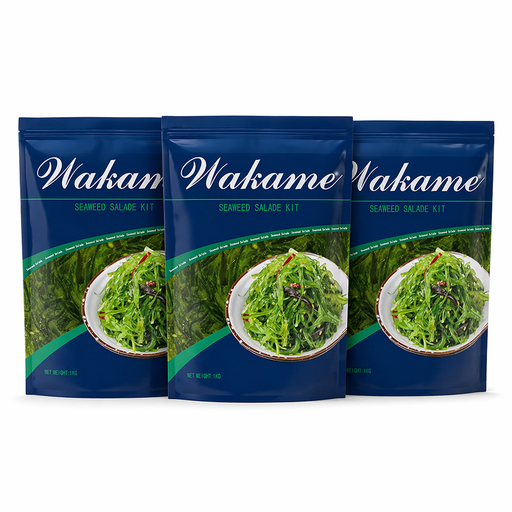
Why it fits this profile: The pack of three portions suits households that regularly serve seaweed salad as a side dish or topping.
The product information clearly states that it must be stored frozen and should not be refrozen after defrosting.
Three 250g packs; 76% seaweed according to the product information; suitable as a side dish or topping.
We’ve put together a full, up-to-date list of products that fully meet these strict selection criteria and comply with current European safety regulations.
First check the size, ingredients, allergens and nutritional values. Then look at the storage condition: room temperature, fridge or freezer. Product photos are useful for recognising the packaging, but the current label is what counts.
This varies by product. Follow the storage instructions on the packaging, seal jars and bags properly, and keep opened products refrigerated if stated. Don’t use a product if the packaging is damaged or the smell and appearance are unusual.
Yes, many varieties are ready to eat or only need heating. According to the product information, YuanXian Ready-to-Eat Cold Mixed Vegetables is ready straight after mixing. HAK Extra Fine Peas and Carrots can be gently heated or added to a warm meal. Always check the specific preparation instructions and allergens on the label.
