
Vandaag of morgen in huis

Kwaliteit gegarandeerd

Welkomstaanbiedingen ontgrendelen: GRATIS bezorging | Tot 80% korting | Gratis 30 dagen JoyPlus-proefperiode
Download de app
Buying international snacks might seem straightforward, but a flashy packet doesn’t tell you much about taste, contents or whether it’s right for you. If you rely solely on a nice picture or a well-known brand name, you could end up with a tiny bag, an unexpectedly spicy flavour, or ingredients that don’t suit an allergy.
With this practical guide, you’ll focus on what really matters: net weight, flavour profile, allergens, nutritional information, shelf life and packaging. That way, you’ll find snacks for on the go, with your coffee, for a party or a night in – without unnecessary mistakes.
Packaging from different countries comes in all sorts of sizes. A box might look large, yet the contents could be just 45 or 50 grams. Always check the net weight and see whether it’s a single bag, multiple portions or individually wrapped pieces.
For a taster, small packs are ideal. If you want to share snacks at a party, products of 150 grams, 200 grams or a multipack usually make more sense.
“Strawberry”, “seaweed”, “cheese” or “hot” gives you a clue, but not the full picture of sweetness, saltiness or heat. A potato or rice snack, for example, can be sweet, savoury and spicy all at once.
If in doubt, read the product description and ingredients list. With Korean snacks like a hot shrimp cracker, it’s wise to expect chilli and seafood. For children or those who prefer mild flavours, sweet snacks or neutral crackers may be a safer choice.
International products can contain ingredients you wouldn’t guess from the front of the packet. Always check the actual packaging. The product information may differ from what’s listed online, depending on legal product labelling.
Pay particular attention to wheat, gluten, milk, soya, egg, nuts, sesame, shellfish and sulphites. European allergen information is the benchmark, but the full ingredients list on the product itself remains the most important check before consumption.
Don’t just compare the price per pack – also look at the price per 100 grams. A 75-gram bag is handy for on the go, while a box of biscuits weighing 200 or 403 grams is better for sharing or stocking up.
Individually wrapped snacks are often easier to store once opened. An open bag of crisps or rice crackers needs to be sealed properly to keep moisture out and maintain crunchiness.
Make a simple choice beforehand:
If you want to buy biscuits, look for chocolate, fruit filling or a crunchy texture. When buying crackers, salt content, portion packs and flavour direction matter more.
The nutrition table helps you compare products objectively. Check per 100 grams for energy, fat, saturated fat, sugars and salt. These figures don’t tell you whether a snack suits your taste, but they do highlight differences between products.
Also check the best-before date on the packaging. Store snacks according to the instructions – usually cool, dry and out of direct sunlight. Don’t use a product if the packaging is damaged.
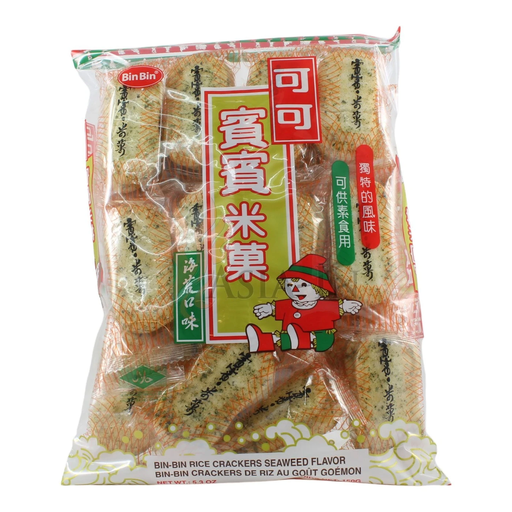
Why this suits the profile: The 150-gram pack is ideal for sharing or planning several snack sessions. This rice cracker combines a crunchy texture with seaweed and soy sauce flavour.
The net weight is clearly stated. The product information also lists the allergens present: wheat and soya.
150 grams; ready to eat; rice as the main ingredient; suitable for a savoury snack moment.

Why this suits the profile: This Japanese snack combines crunchy biscuit sticks with a chocolate coating. The 47-gram size is perfect for a controlled tasting moment or a snack on the go.
The product information states 47 grams and lists wheat, milk and soya as allergens. Check the actual packaging for additional details.
47 grams; chocolate flavour; crunchy biscuit texture; handy size for home or on the go.
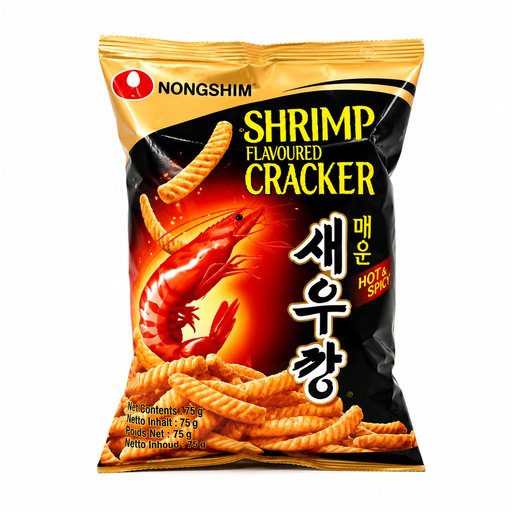
Why this suits the profile: This Korean snack is designed for those seeking a bold, savoury flavour with chilli and prawn. The 75-gram portion is practical for a single snack session.
The product description explicitly mentions a hot flavour and 8.5% fresh prawn. The allergens are wheat, prawn and soya.
75 grams; ready to eat; clear chilli and seafood flavour; from South Korea according to the product information.
We’ve put together a full, up-to-date list of products that fully meet these strict selection criteria and comply with current European safety regulations.
Use this quick checklist before placing an order:
If you specifically want to buy Pocky, you can compare chocolate and strawberry side by side. For drinks, Tuc crackers or BIN BIN rice crackers are more practical. If you’re looking for biscuits for coffee or sharing, larger packs like Chips Ahoy! or FESTIVAL are worth considering.
Pay attention to net weight, flavour, ingredients, allergens, nutritional values, shelf life and storage advice. Also check whether you’re ordering a single portion or a multipack. Product photos can give a different impression of the actual size.
Small packs of 42 to 75 grams are practical for travelling. Examples include Oishi Bread Pan Buttered Toasted 42g, Pocky 47g and NongShim Shrimp Cracker 75g. Store opened packs sealed properly and check beforehand that the snack won’t melt or break easily.
Store unopened snacks in a cool, dry place away from direct sunlight. Seal an opened bag or pack carefully to keep moisture out. The best-before date and any additional instructions on the original packaging are your guide.
