
Vandaag of morgen in huis

Kwaliteit gegarandeerd

Welkomstaanbiedingen ontgrendelen: GRATIS bezorging | Tot 80% korting | Gratis 30 dagen JoyPlus-proefperiode
Download de app
Buying international drinks online gives you access to flavours you won’t always find in your local supermarket. Think Japanese soft drinks, Korean beverages, Caribbean sodas, fruit drinks and speciality alcoholic drinks. Yet the range can be overwhelming. A striking label tells you little about what’s inside, and a low unit price isn’t always a bargain.
So pay close attention to volume, ingredients, alcohol content, packaging and storage advice. That way, you’ll choose a drink that suits the occasion: a get-together, birthday, gift, or simply stocking up at home.
A multipack of soft drinks can be handy for a party, but always check the total volume. Twenty-four cans of 330 ml, for example, gives you 7.92 litres. So compare the price per litre, not just per pack. For a one-off tasting, a multipack might be less practical than a few individual bottles.
Product names like fruit drink, grape drink or fruit juice can have very different compositions. Check the percentage of fruit or juice from concentrate in the ingredients list. For instance, Maaza Guava Fruit Drink states 16% guava purée from concentrate. Wicky Raspberry Fruit Drink states 0.2% raspberry juice from concentrate. These are different product types, even though both have a fruit flavour.
Also look out for sugar, sweeteners and carbonation. A fruit-flavoured drink may contain sugar, glucose syrup or sweeteners without having a high fruit content.
With soju, sake, makgeolli, fruit wine and port, the alcohol percentage isn’t always front and centre in the product name. So check the label before you order. Fruti Cherry Wine lists 11.5% alcohol according to the product information, Sabrina Ruby Red Port 19%, and Rice Wine Makgeolli White Grape 5%.
Alcoholic drinks are intended for adults only. Do not drink during pregnancy, do not drive after consuming alcohol, and always check the warnings on the packaging.
Choose a size that fits the occasion:
A Japanese ramune at 200 ml, for example, is a small portion in a distinctive bottle. A 250 ml can of Fernandes Red Grape is also suitable for individual use. For a group, KA Black Grape with 24 cans of 330 ml makes more sense.
Read the ingredients list if you’re mindful of sugar, sweeteners or allergens. With alcoholic drinks, pay extra attention to sulphites. Fruti Cherry Wine, Sabrina Ruby Red Port and Flaminco Sangiovese Sweet Red Wine all mention sulphites or sulphur dioxide.
Also check the nutritional values per 100 ml and per pack. Jardin Muscat Ade states 65 kcal per 100 ml and 36 grams of sugar per 230 ml pouch, according to the product information. Wicky Raspberry Fruit Drink states 1 kcal per 100 ml and less than 0.1 grams of sugar per 100 ml. The product description and packaging are the primary sources; always check the actual labelling when you receive the item.
A sweet grape drink might suit a snack or party better than a savoury dinner. Ramune is a Japanese soft drink with a distinctive marble bottle, popular for themed parties, anime events and gift sets. Soju with green grape or CHUM CHURUM Soju Grape can complement Korean dishes, but always check the alcohol percentage and serving suggestions on the label.
With fruit wine, port and sake, temperature and glassware play a part in the drinking experience. Sabrina Ruby Red Port is described in the product information as a companion to desserts, cheese and chocolate. That’s a serving suggestion from the product description, not a guarantee of a particular taste experience.
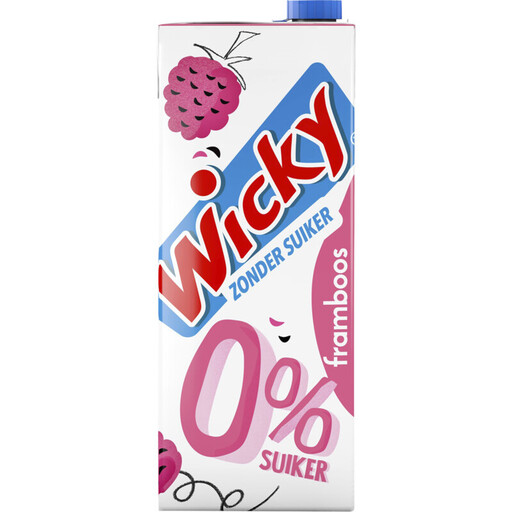
Why this fits the profile: The 1.5 litre bottle is ideal for sharing at home, and the product information states 1 kcal per 100 ml. The raspberry flavour is recognisable without you having to order a large multipack straight away.
The volume, nutritional values and ingredients are clearly stated. This makes it easier to compare with other fruit drinks and fruit juices.
1.5 litre volume; raspberry flavour; according to the product information, 1 kcal and less than 0.1 grams of sugar per 100 ml.
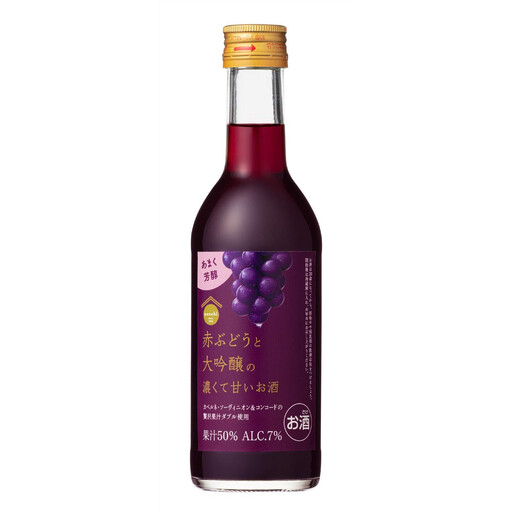
Why this fits the profile: This Japanese blend of red grape juice and daiginjo sake is ideal for anyone looking for a smaller bottle with a clearly described flavour direction.
The alcohol content of 7% vol. is stated in the product information. So you don’t have to rely on a vague description like “light drink”.
300 ml; 7% vol.; ingredients list daiginjo sake, red grape juice and sugar.
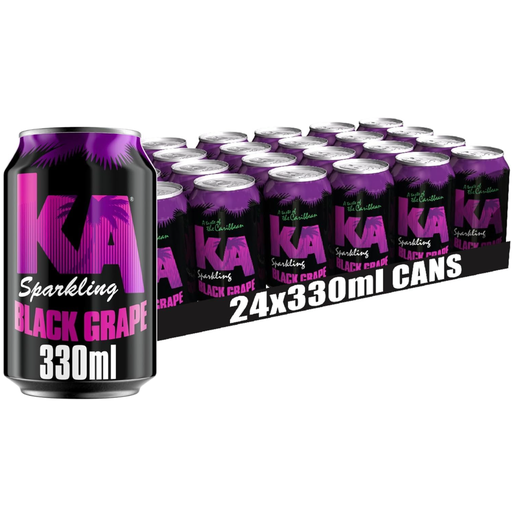
Why this fits the profile: The case of 24 cans of 330 ml is designed for parties, get-togethers and households that regularly serve an exotic drink.
The number of cans and the volume per can are clear upfront. This lets you estimate the total quantity and the storage space you’ll need.
24 cans; 330 ml per can; carbonated black grape flavour.
We’ve put together a full, up-to-date list of products that fully meet these strict selection criteria and comply with current European safety regulations.
Check the volume per pack, ingredients, nutritional values, allergens, origin and alcohol content. With a multipack, also look at the number of units and total litres. The product image may differ from the actual packaging, so use the label as your main source of information.
Store unopened drinks according to the product advice, usually in a cool place away from direct sunlight. Once opened, many soft drinks and fruit drinks need to be refrigerated and used within the stated period. Keep alcoholic drinks tightly sealed and avoid large temperature fluctuations. For frozen products, such as ice, a separate storage temperature of typically -18 °C applies.
It can be, especially when the packaging or flavour is clearly different from what someone normally drinks. Ramune, Korean drinks, Japanese soft drinks and a small bottle of fruit wine or sake work well in a themed gift set. With alcohol, always check the age restriction and choose a non-alcoholic option if you don’t know the recipient’s preference.
