
Vandaag of morgen in huis

Kwaliteit gegarandeerd

Welkomstaanbiedingen ontgrendelen: GRATIS bezorging | Tot 80% korting | Gratis 30 dagen JoyPlus-proefperiode
Download de app
Buying international drinks may seem straightforward, but attractive packaging does not always tell the whole story. Online, you can find alcoholic drinks, ready-to-drink cocktails, soju, speciality beer, champagne, sangria and alcohol-free drinks from various countries. The differences often come down to alcohol content, volume, ingredients, packaging and serving instructions.
As a Joybuy Product Recommendation Officer, I filter product information based on practical details. This helps you compare marketing claims with verifiable specifications and order drinks online with confidence.
A 1.5-litre bottle or multipack may be convenient for a party, but it is not necessarily better value per serving. Compare:
For example, a large bottle of sangria is practical for serving several guests, while individual cans of ready-to-drink cocktails are easier to chill and distribute.
Words such as “tropical”, “fruity” or “fresh” mainly describe the expected flavour. They do not tell you how much sugar, alcohol or fruit juice a product contains. Always check the ingredients list and nutritional information.
With alcohol-free and low-alcohol drinks, it is also sensible to check whether the product is actually described as alcohol-free. For example, the product page describes Sir James Pink Gin & Tonic as an alcohol-free, carbonated drink with juniper flavour. This makes it a different choice from a gin and tonic containing alcohol, despite the similar name.
A well-known brand can inspire confidence, but the volume, packaging and alcohol strength may vary between versions. According to the product information, a can of Smirnoff Ice contains 4% alcohol, while Bacardi Punch Cocktail lists 14.9%. Both are ready-to-drink beverages, but they are suited to different occasions.
Also watch out for inconsistencies in online product descriptions. If the volume, alcohol content or packaging is unclear, check the label on the product packaging before using it.
The alcohol content, shown as % vol or ABV, is one of the most important points of comparison. A 4% drink is not the same as a 14.9% cocktail or a 12% soju. As well as the percentage, check the volume of the packaging.
Alcoholic products are intended exclusively for consumers aged 18 and over. Drink responsibly, consider the total amount you consume and do not drive or take part in traffic after drinking alcohol. Alcohol is not suitable during pregnancy or for people who must avoid alcohol for personal or medical reasons.
Small 250 or 300 ml bottles are suitable for individual servings. A 700 ml or 1.5-litre bottle makes more sense when serving a group. Multipacks, such as 4 x 250 ml or 24 x 330 ml, can be convenient for a barbecue or party, but they do require enough storage space.
Also check whether you are buying a can, glass bottle or larger bottle. Glass is often suitable for a special occasion, while cans are easy to chill and hand out.
The 14 main EU allergens must be clearly stated when they are present in a product. Examples from this range include:
A statement such as “contains none of the 14 main allergens” does not mean that the product is free from every possible intolerance. When in doubt, always read the full label.
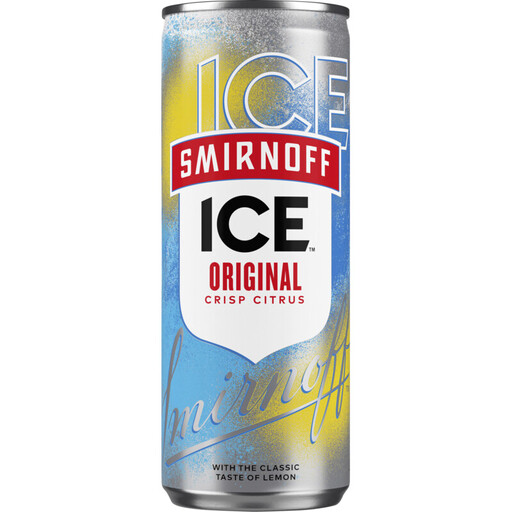
Why it suits this profile: A single pack lets you try a ready-to-drink cocktail without immediately buying a large multipack. The product information states 4% alcohol and a volume of 250 ml.
The volume and alcohol strength are clearly specified. This makes it easier to compare this version with other ready-to-drink cocktails.
250 ml per can; 4% alcohol; can be served chilled; according to the product information, free from the 14 main EU allergens.
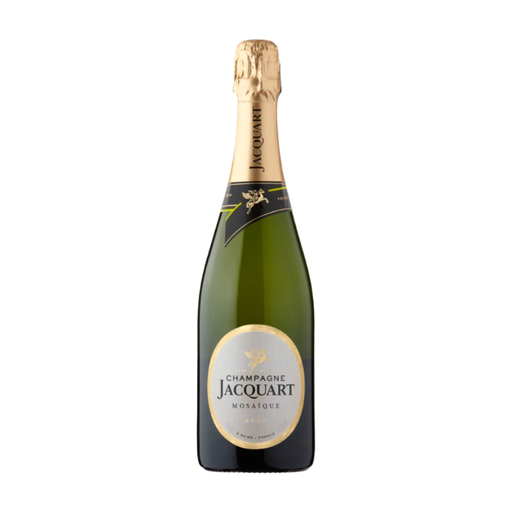
Why it suits this profile: This bottle is aimed at a celebratory dinner, an aperitif or an occasion when a traditional champagne bottle is preferred. The product page states 750 ml and 12% vol.
The grape varieties Chardonnay, Pinot Noir and Pinot Meunier are listed. Sulphites are also identified as an allergen, so you do not have to rely on the brand name alone.
750 ml bottle; Brut style; blend of three grape varieties; according to the product information, best served chilled.
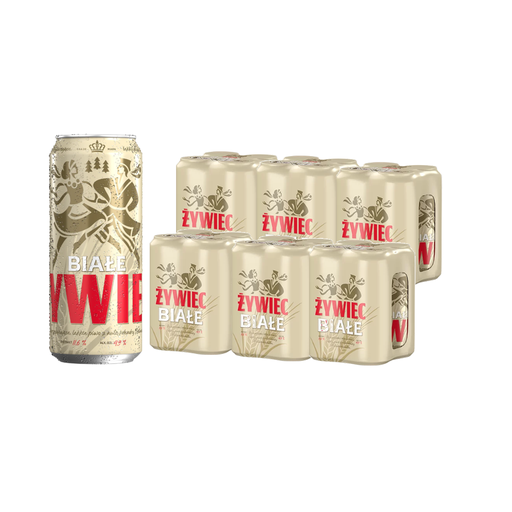
Why it suits this profile: A box containing 24 bottles of 50 cl is well suited to larger gatherings, drinks with friends or stocking up for several occasions. The volume per bottle and the total quantity are clearly presented.
The multipack is clearly specified as 24 x 50 cl. This prevents confusion between the number of packs and the total volume.
24 bottles; 50 cl per bottle; ingredients listing wheat, barley and coriander malt; nutritional value of 44 kcal per 100 ml according to the product information.
For a relaxed evening, Asian drinks such as OPPA Soju Yuzu or 7DROPS Soju Lychee are a good match for fans of fruity flavours and 360 ml bottles. If you are looking for a sweet, ready-to-drink option, consider ready-to-drink cocktails or sangria. Don Garcia Sangria contains 7.5% alcohol and comes in a 1.5-litre bottle.
For guests who do not drink alcohol, Malta Guinness and Sir James Pink Gin & Tonic are practical alternatives. With Malta Guinness, however, pay attention to the barley and malt information. For a special occasion, champagne or a Hungarian wine such as St. Andrea Mária Egri Cuvée could be an appealing choice; compare the alcohol content, sulphites and serving temperature.
We have put together a complete, up-to-date list of products that fully meet these strict selection criteria and the applicable European safety regulations.
First, check that you are aged 18 or over. Then compare the alcohol content, volume, ingredients, allergens, packaging and storage instructions. With multipacks, also check the number of packs and the total quantity.
The relevant best-before information is shown on the packaging. Store unopened drinks according to the label, usually in a cool place away from direct sunlight. After opening, replace the closure securely. Some products must be refrigerated after opening and consumed quickly.
No. Alcohol-free does not automatically mean sugar-free or calorie-free. For example, Sir James Pink Gin & Tonic lists 9 grams of carbohydrates and 9 grams of sugar per 100 grams. Always check the nutrition table rather than using the term “alcohol-free” alone as a selection criterion.
