
Vandaag of morgen in huis

Kwaliteit gegarandeerd

Welkomstaanbiedingen ontgrendelen: GRATIS bezorging | Tot 80% korting | Gratis 30 dagen JoyPlus-proefperiode
Download de app
Buying international biscuits is easy, but the range varies greatly in flavour, packaging, size and ingredients. Eye-catching packaging tells you little about what is inside. If you focus only on the brand name, country of origin or an attractive offer, you could end up with a small pack, a short shelf life or a flavour that does not suit your family.
This practical guide focuses on what you can actually check: net weight, ingredients, allergens, serving size, flavour profile and storage advice. That way, you can compare Oreo biscuits, Japanese snacks, Korean snacks and other sweet products sensibly.
A box may look large in a product photo, while the contents amount to just 36 or 45 grams, for example. Always check the net weight and, for multipacks, the number of individual packs. A 200-gram product is not automatically better value than several small portions: compare the price per 100 grams.
Words such as “birthday cake”, “strawberry” or “candy floss” usually describe a flavour direction. They do not mean that the product contains a large amount of cake, strawberry or candy floss. Check the ingredients list. For fruit-flavoured biscuits, the percentage of fruit powder is stated if it is present. According to the product description, Meiji Chocorooms Strawberry contains 1% strawberry powder, while the strawberry flavour also comes from flavourings.
Recipes for imported snacks may vary between markets. Always check the packaging of the product you receive, especially if you have allergies or intolerances. Look out for wheat, gluten, milk, soya, egg, peanuts, nuts and sesame. The nutritional information per 100 grams is also useful for comparison. Even a small pack may contain a relatively high amount of sugar or saturated fat.
A larger format is useful for a family, film night or gift hamper. The 468-gram Orion Choco Pie, for example, is intended for sharing, while a 16.5-gram Meito Pukupukutai wafer is better suited to an individual snack. Small packs are practical for a lunchbox or when you are out and about, but they generally provide less product per purchase.
Decide what you fancy in advance:
Store biscuits and snacks according to the label: usually somewhere cool and dry, away from direct sunlight. Seal an opened bag properly to retain the crisp texture. With chocolate, heat can cause a white bloom as fats solidify again. This can affect the appearance and sometimes the flavour.
Always check the best-before date and the current packaging. Online information may change, and the actual packaging may contain more or different information from the product page.
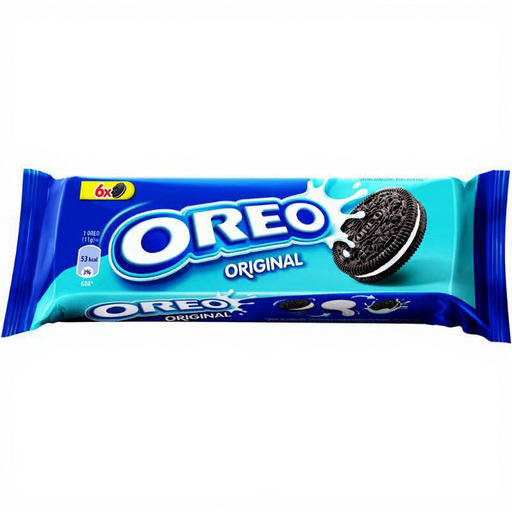
Why it suits this profile: A small pack with the familiar combination of cocoa and vanilla filling. Ideal if you want to try a flavour first without buying a large multipack.
The net weight of 66 grams is clearly stated. The ingredients and allergens, including wheat and soya, can be checked in advance.
Cocoa biscuits with vanilla filling; suitable for eating on their own or serving with milk.
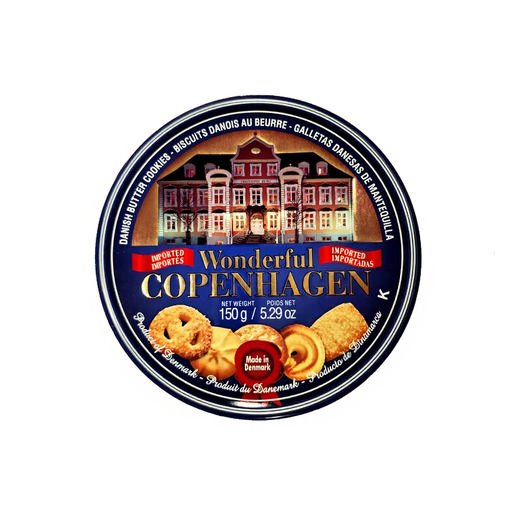
Why it suits this profile: A good choice if you are looking for a classic biscuit to enjoy with coffee or tea, or to include in a gift hamper. The product description states that the ingredients contain 26% butter.
The butter percentage, weight and storage advice are clearly specified. Do check the allergen information, as the description mentions soya and nuts.
150 grams; butter biscuits with a straightforward ingredient profile and a traditional flavour.

Why it suits this profile: The individual biscuit sticks are easy to share and take to work, school or on a day out. The strawberry flavour adds variety alongside ordinary chocolate biscuits.
The 45-gram size avoids confusion with a large family pack. The product page lists wheat, milk and soya as allergens; check the packaging for the latest information.
Convenient biscuit sticks; strawberry flavour; ideal for portion-controlled snacking.
We have put together a complete, up-to-date list of products that fully meet these strict selection criteria and the applicable European safety regulations.
If you are looking for Japanese snacks, you will often find compact portions and playful shapes. Glico Pocky biscuits are biscuit sticks with a coating; Meiji Hello Panda consists of filled biscuits with a strawberry flavour. According to the product description for Glico Pocky Strawberry, the product contains wheat, milk and soya, among other ingredients.
Korean snacks often focus on soft cake products. Orion Choco Pie combines cake, filling and a chocolate coating. The packaging for the 468-gram variant lists wheat, milk, egg and soya, among other ingredients. For a larger pack, check how many individual pieces it contains and whether the shelf life suits how you plan to use it.
For a distinctive flavour, you could also consider Bergen Candy Floss Cookies. According to the product description, these 128-gram biscuits have a candy-floss-style aroma and a crisp texture. The ingredients include wheat and may contain traces of egg, soya, milk, peanuts and nuts.
Start with the net weight, flavour description, ingredients, allergens and best-before date. Then compare the price per 100 grams. For products from Japan, Korea or other countries, it is advisable to check the English or European labelling on the packaging you receive.
Not always. Small packs are convenient when you are out and about and make it possible to try several flavours. For a family or party, a larger pack, such as a multipack or a package weighing several hundred grams, may be more practical. Calculate the price per 100 grams before ordering.
Store them somewhere cool and dry, away from direct sunlight. Seal the packaging airtight to limit moisture and loss of crispness. Store soft cake products and snacks with cream according to the label. If in doubt, follow the information on the packaging of the product you receive.
