
Same-day & Next-day Delivery

Quality Guaranteed

Unlock Your Welcome Offers: FREE Delivery | Up to 80% OFF | Free 30-day JoyPlus trial
Download the APP
Looking to buy international beers for home, a barbecue or a dinner featuring Asian dishes? There’s far more to choose from than just a handful of familiar brands. You’ll find Thai beer, Japanese beer, Korean beer, Vietnamese beer and Polish beer in a range of bottle and can sizes.
However, attractive packaging is no guarantee that a product is right for your needs. Pay particular attention to the alcohol content, the volume per pack and the origin information. This will help you avoid overpaying for a small pack, choosing a beer that doesn’t pair well with your food or ending up with a 24-pack when you really wanted to try several different flavours.
A 24-pack of beer is practical for a party, but always compare the total volume. A pack containing 24 bottles of 330 ml holds 7.92 litres. By contrast, a case of 24 cans of 500 ml contains 12 litres. So don’t just look at the number of items; also check:
For a small group, a 4-pack or individual bottle may also be a wiser choice than a large multipack.
Words such as “premium”, “authentic” or “classic” don’t always describe an objective difference in taste. Instead, check the product details: alcohol content, ingredients, country of origin and the description of the flavour profile.
For example, pilsner beer generally has a fresh, easy-drinking style, while a weizen or fruit beer can offer a different mouthfeel and aroma. According to the product description for Junsui Yuzu Weisse, this beer contains wheat malt, barley malt and yuzu, making it a different choice from a classic lager.
A brand may be international, while the supplier or distributor is based in the Netherlands. Therefore, check the stated country of origin, the ingredients list and the information on the packaging. If the online product page differs from the label, the label takes precedence.
Also pay attention to allergens. Many beers contain barley malt and gluten. Saigon Special also lists sulphites, while LEO, according to the product information provided, contains none of the 14 major EU allergens. Check the current packaging before buying, as product formulations can change.
The products in this range vary from around 4.5% to 6.8% alcohol, alongside stronger speciality beers such as Hertog Jan Tripel at 8.5%. A difference of a few tenths of a percentage point is limited per bottle, but it adds up over several glasses.
Choose according to how you plan to enjoy it:
Alcoholic drinks are for people aged 18 and over only. Drink responsibly and never drive under the influence.
A 330 ml bottle is convenient for a single serving. A 500 ml can or bottle offers more volume, but also calls for a larger glass and suitable storage space. For hospitality, a barbecue or a party, a 24-pack can be an efficient choice. If you’re trying beers from a new country or brand, individual 330ml packs are more practical.
For bottles and cans, also check whether a deposit applies. For example, the Chang Beer product page lists a €0.15 charge according to the recycling information. Check the current terms and conditions when ordering.
Use your meal as a simple selection guide:
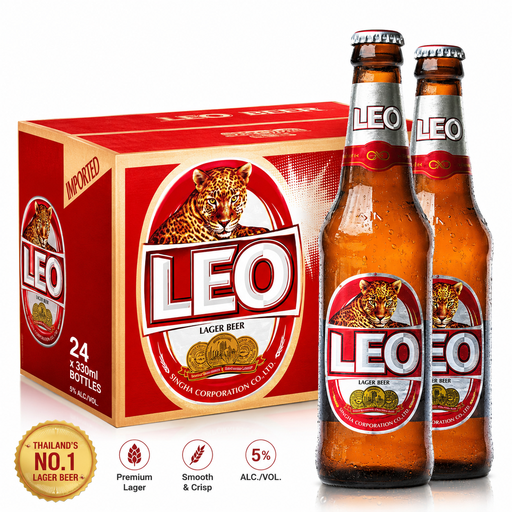
Why it suits this profile: This case contains 24 bottles of 330 ml, making it suitable for a barbecue, party or stocking up for several meals. The product information states that it contains 5% alcohol.
The number of bottles and volume per bottle are clearly stated. This means you can calculate the total quantity and price per litre in advance.
330ml bottles, 5% alcohol and, according to the product description, a lightly bitter, refreshing lager style.
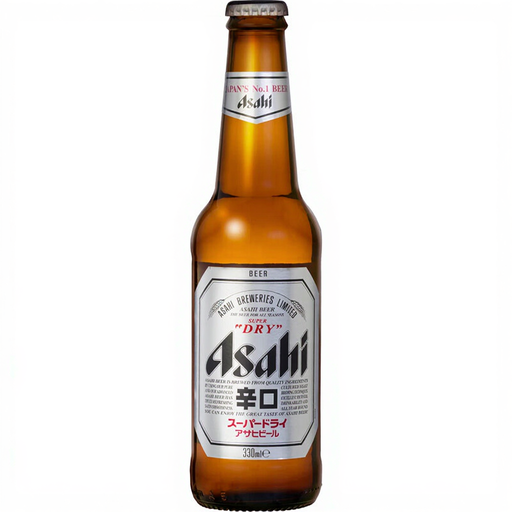
Why it suits this profile: A Japanese lager in a convenient 330ml format for anyone looking for a particular style and origin without ordering a large pack straight away.
The alcohol content, ingredients and allergen information are listed on the product page. You therefore don’t have to rely on brand claims alone.
330 ml, 5.2% according to the product specification, with ingredients based on water, barley, yeast and hops.
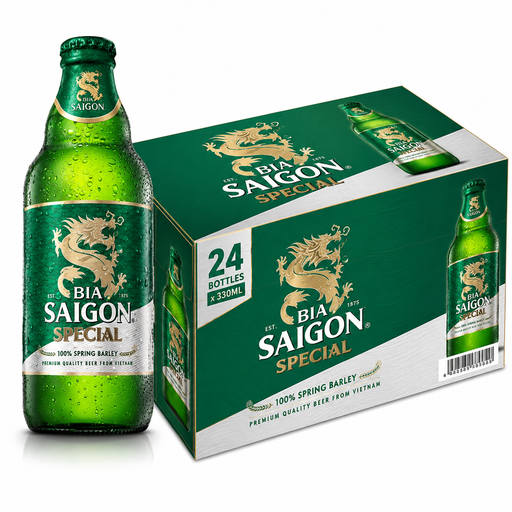
Why it suits this profile: The pack of 24 bottles of 330 ml is aimed at larger groups, hospitality, barbecues or stocking up.
The pack size, country of origin and alcohol content are listed separately. Barley is also identified as an allergen.
24 × 330 ml, 4.9% alcohol and, according to the product description, suitable with Vietnamese dishes, seafood and grilled food.
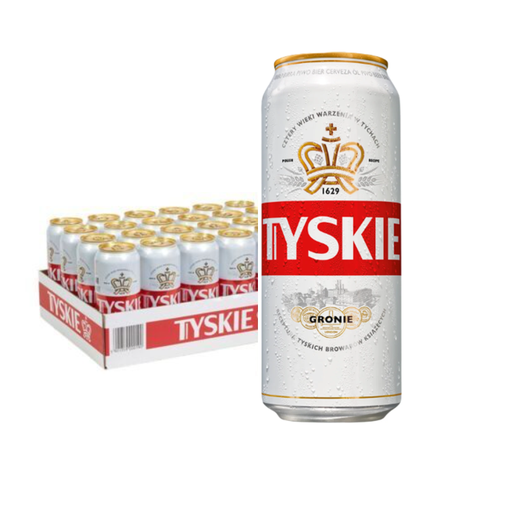
Why it suits this profile: This Polish beer comes in a large 500 ml format and a case of 24, making it suitable for parties or hospitality use.
The volume per pack is clearly stated: 24 cans or bottles of 50 cl. This allows you to estimate storage space and total litres in advance.
5.6% alcohol, water, barley malt and hops according to the product information; available as a 24-pack of 500 ml.
We’ve put together a complete, up-to-date list of products that fully meet these strict selection criteria and the applicable European safety regulations.
Store beer in a cool, dry place, away from direct sunlight and significant temperature fluctuations. Keep bottles or cans upright where the packaging instructs you to do so. Before opening, check the seal and look at the label for the best-before date.
Many lagers are at their most refreshing when chilled. The product information for Lech Pils states a serving temperature of 3–5 °C, while Saigon Special is listed at 4–6 °C. These are guidelines from the product descriptions, not a universal guarantee for every taste preference. A weizen or speciality beer may benefit from being served at a slightly different temperature.
You can search online by country, brand, beer style and packaging. Always compare the total volume, alcohol content, allergen information, delivery terms and any deposit charges. This will help you find a product that suits your needs at home, for a party or in hospitality.
That depends on the price per litre, delivery costs and any additional charges. A 24-pack is often practical when you need a large quantity, but individual bottles offer more flexibility if you want to try a flavour first. Work out the total price per litre before placing your order.
Product descriptions often recommend LEO, Chang and Singha with spicy Thai dishes. For Japanese food, you could consider Asahi, Kirin or Sapporo. According to the product information, Vietnamese meals pair well with Saigon Special. The final choice depends on your personal taste, the seasoning and the dish.
