
Vandaag of morgen in huis

Kwaliteit gegarandeerd

Welkomstaanbiedingen ontgrendelen: GRATIS bezorging | Tot 80% korting | Gratis 30 dagen JoyPlus-proefperiode
Download de app
Buying international beer online may seem straightforward, but the range varies considerably in terms of origin, flavour, alcohol content and packaging. Looking for Japanese beer for a dinner party, Thai beer to accompany spicy dishes, African beer for a tasting session or Polish beer by the crate? It pays to look beyond the brand name and appearance alone.
Pay particular attention to these common pitfalls:
The alcohol content partly determines how full-bodied a beer tastes, as well as when it is best enjoyed. For a long barbecue or an alcohol-free alternative, you could look at alcohol-free beer, such as Corona Cero Alcohol-Free Beer. For a fuller, more intense profile, an IPA or stout is a more logical choice.
Here are some examples from the range:
Check the alcohol content on the current product page and packaging for every product. This is especially important if you want to combine different styles in one beer selection.
For individual use, bottles of 300 to 333 ml are practical. For a dinner party, buying beer by the bottle can offer more variety, while beer by the crate or a box of 24 is more convenient when serving a firm favourite.
Pay attention to:
The 320 ml Chang Beer Classic, for example, is intended as a single serving. The Chang pack with 24 bottles of 320 ml is better suited to a larger group. Asahi Super Dry is available in 330 ml bottles and in a pack of 24.
Many international beers contain barley malt and cereals containing gluten. For example, Sapporo lists water, barley malt, hops and rice as ingredients and contains barley. Chang, Guinness, Kirin and Asahi also list cereals containing gluten or barley.
Therefore, always check:
A product containing fruit, herbs or flavourings may have a different composition from a classic lager. Amstel Radler Fruity Cider contains, among other things, fruit juice and sugar. According to the product information, Junsui Yuzu Weisse contains wheat malt, barley malt and yuzu, among other ingredients.
The recommendations below are based on verifiable information such as volume, alcohol content, packaging, ingredients and product type. Flavour descriptions have been taken from the product information provided; according to a brand’s own research, flavour claims may be described differently from your personal experience.
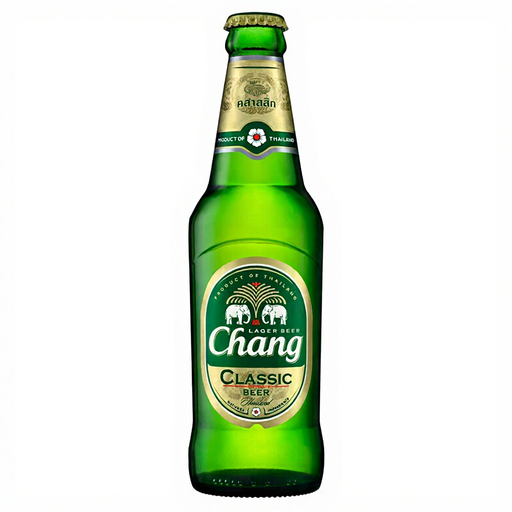
Why it suits this profile: The single 320 ml bottle lets you try Thai beer without immediately ordering a large pack. The stated alcohol content is approximately 5%.
The single-bottle quantity means you do not have to buy a full crate before knowing whether lager suits you.
320 ml per bottle; ingredients list water, barley malt, hops and yeast; suitable for pairing with Asian dishes according to the product description.
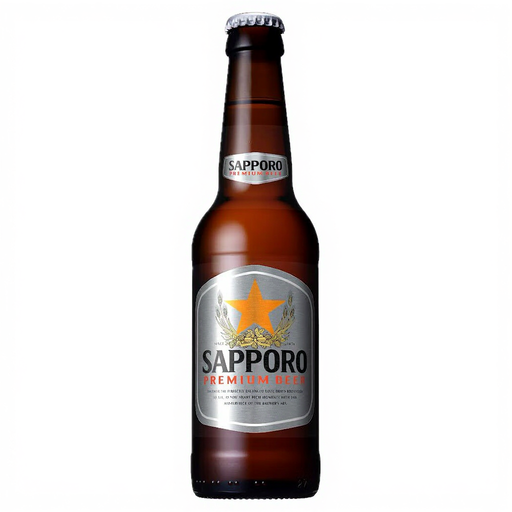
Why it suits this profile: This Japanese beer has clear product specifications, a 330 ml bottle size and a stated alcohol content of 4.7%. That makes it a good choice for anyone specifically looking for a Japanese lager.
The product page lists ingredients, allergens, nutritional values and storage advice, so you do not have to rely on the packaging alone.
330 ml bottle; 4.7% alcohol; ingredients list containing barley malt, hops and rice.
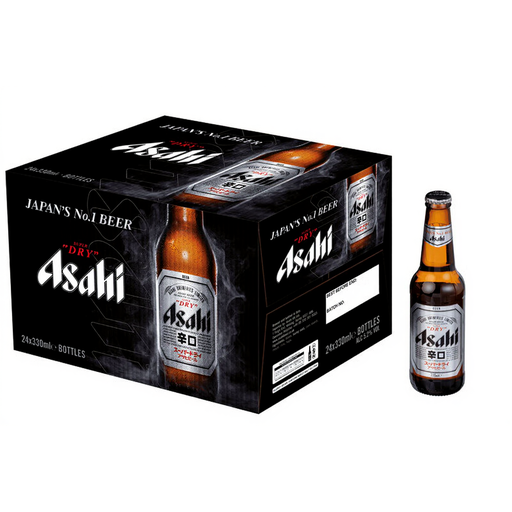
Why it suits this profile: A pack of 24 330 ml bottles is practical for dinner parties, barbecues or keeping a supply for several occasions. The product information states an alcohol content of approximately 5.2%.
The fixed quantity and bottle size make the total volume clear in advance. However, check the current packaging and any deposit information.
24 bottles; 330 ml per bottle; water, barley, yeast and hops listed as the basic ingredients.
If you want to compare different flavours, you can put together your own beer selection using smaller packs. For example, combine a light Thai lager such as Singha or Leo with Japanese beer such as Kirin Ichiban, a fruity Junsui Yuzu Weisse and a dark stout such as Guinness.
For a lower-alcohol option, Amstel Radler Fruity Cider contains 2.0%. If you want to avoid alcohol completely, you can choose Corona Cero. For both products, pay attention to the sugar and nutritional values: a lower alcohol content does not automatically mean less sugar or fewer calories.
African and Polish beer are also interesting choices for a themed evening. Tusker is a lager from Kenya with a stated alcohol content of 4.2%. Tyskie is Polish beer in a pack of 24 x 50 cl and states an alcohol content of 5.6%. This lets you compare origin, style and format rather than choosing based solely on brand recognition.
We have put together a complete, up-to-date list of products that fully meet these strict selection criteria and the applicable European safety regulations.
You can buy international beer online from specialist shops and web stores offering ranges from countries including Japan, Thailand, Kenya, Mexico and Poland. Check the origin, volume, alcohol content, delivery time and any deposit information in advance.
That depends on the brand, packaging, transport, bottle size and order quantity. Buying beer by the bottle can be a good way to try it, while beer by the crate or a box of 24 can reduce the price per unit. Always compare the price per litre, not just the price per pack.
Store beer according to the label: somewhere cool and dry, away from direct sunlight. Avoid significant temperature fluctuations. Before drinking, check the packaging, shelf-life information and whether the seal is damaged. Alcoholic products are intended for adults only; drink responsibly and never drive after drinking alcohol.
