
Same-day & Next-day Delivery

Quality Guaranteed

Unlock Your Welcome Offers: FREE Delivery | Up to 80% OFF | Free 30-day JoyPlus trial
Download the APP
Buying international beer online gives you access to flavours from Poland, Japan, Thailand, Vietnam, Belgium and other beer-loving countries. However, it’s not wise to rely solely on the country of origin or the word “premium”. The contents, packaging and alcohol percentage are far better indicators of whether a product suits your occasion.
As an adult, always observe the legal age limit of 18. Drink responsibly and never drink and drive.
A premium lager may have a refined image, but that doesn’t mean every drinker will enjoy the flavour. Always check the beer type, ingredients and alcohol percentage. A pilsner is usually lighter and more approachable than an abbey beer or tripel.
A case of 24 bottles might seem handy for a party, but it’s less practical if you want to try different flavours first. For a dinner party or tasting session, a smaller pack – such as 4 or 6 bottles – can make more sense. Always look at the number of units and the volume per bottle or can.
A product may reference a particular country, while the actual product information lists a different brewery, supplier or packaging location. So check the stated country of origin, brewery and ingredients on the product page and packaging. Claims about taste or popularity come from the brand or seller and should not be taken as objective proof of quality.
First, choose a style that matches your preference:
Compare the percentage per bottle, not just the brand name. In the range, examples vary from 4.5% for Coopers Original Pale Ale to 8.5% for Leffe Tripel. A difference of a few percentage points affects how much alcohol you consume per serving. So when ordering a beer pack online for a long evening, dinner party or gathering, pay attention to the total number of bottles and the alcohol percentage.
A 330 ml bottle is suitable for a single serving. Bottles of 500 ml, such as Lech Pils, offer more content per unit. For a large group, beer in bulk packaging can be more economical and convenient, but check beforehand:
When comparing pilsners, it’s wise to look at the price per litre as well as the price per pack.
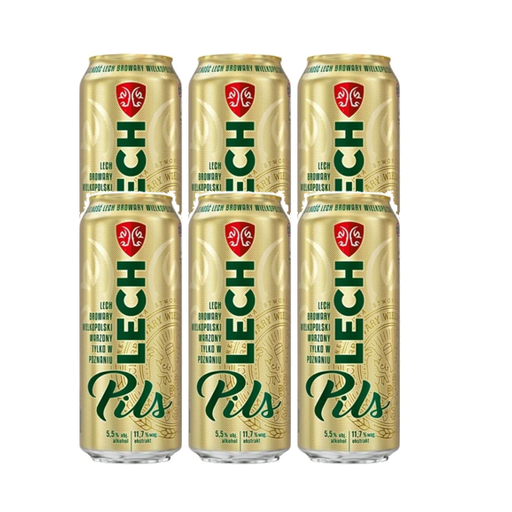
Why this fits the profile: The pack of six bottles is manageable for anyone wanting to try Polish beer without buying a large stock straight away. The product information states 50 cl per bottle and 4.8% alcohol.
The number of bottles, volume and alcohol percentage are clearly stated on the product page. This makes it easier to compare this pack with smaller or larger options.
Polish origin according to the product description, 6 bottles of 50 cl and a medium-bodied pilsner with mild bitterness.
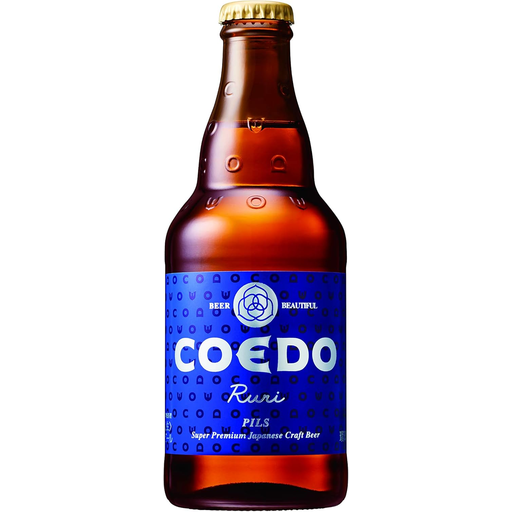
Why this fits the profile: This Japanese pilsner contains 5% alcohol according to the product specifications, has a golden colour and a stated IBU of 19. That makes it interesting for anyone who wants to compare more details than just the country of origin.
The product page lists the beer style, origin, colour, bitterness value, ingredients and serving advice. This helps you compare marketing language against verifiable facts.
Japanese pilsner of 333 ml, 5% alcohol and a stated IBU of 19; suitable for pairing with a variety of dishes.
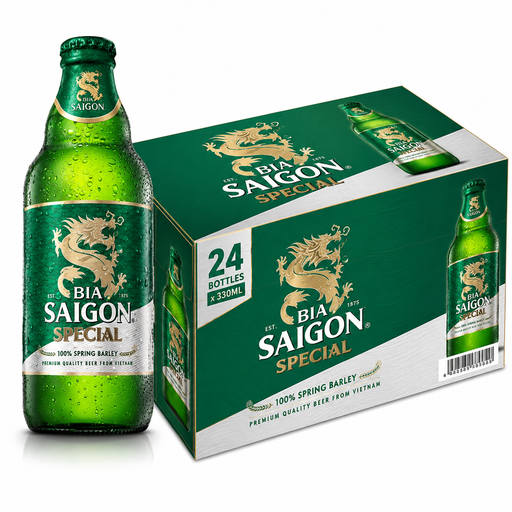
Why this fits the profile: The case contains 24 bottles of 330 ml. This makes the Vietnamese lager suitable for parties, hospitality, barbecues or a household that regularly serves beer.
The packaging isn’t hidden behind vague terms: the number of bottles, bottle volume, country of origin and 4.9% alcohol are all stated. Check the label on arrival too.
24 bottles of 330 ml, 4.9% ABV and a Vietnamese lager style that, according to the product information, pairs well with Asian dishes and barbecue.
We’ve put together a full, up-to-date list of products that fully meet these strict selection criteria and comply with current European safety regulations.
Store international beer according to the instructions on the label. A cool, dark and dry place helps limit exposure to heat and direct sunlight. Chill pilsners and lagers before serving. The recommended temperature varies by product: for Lech Pils, 3 to 5 °C is suggested, while Saigon Export Premium can be served at 4 to 6 °C according to the product information.
Before drinking, check the bottle or can for damage. Also look out for allergens. Many products contain barley malt and gluten; some listings also mention sulphites. Always use the current packaging as a guide, as product information can change.
Compare the number of different varieties, the volume per pack and the alcohol percentage. Also check whether the pack contains only lager or, for example, a mix of pale ale, abbey beer and pilsner. This way you avoid a pack being less varied than you expected.
That depends on the brand, packaging, import costs, bottle volume and delivery charges. So compare the price per litre rather than just the price of a case. A pack of 24 small bottles can work out differently per litre than a case of 12 bottles of 500 ml.
Check the best-before information on the packaging. Store the beer in a cool, dry place away from direct sunlight. Once opened, it’s best to drink a bottle or can straight away, as carbonation and flavour change quickly.
