
Vandaag of morgen in huis

Kwaliteit gegarandeerd

Welkomstaanbiedingen ontgrendelen: GRATIS bezorging | Tot 80% korting | Gratis 30 dagen JoyPlus-proefperiode
Download de app
Buying international beer online might seem straightforward, until you’re faced with a large crate carrying an unknown alcohol percentage, unclear product information, or packaging that doesn’t suit the occasion. Marketing terms like “premium”, “authentic” and “traditional” tell you very little about what’s actually inside.
That’s why you should focus on verifiable details instead. Think about country of origin, beer type, alcohol percentage, volume per bottle or can, ingredients and allergens. This way, you can avoid ordering too much, picking the wrong flavour profile, or only discovering at delivery that it’s a bulky package.
A product with 24 bottles of 330 ml contains 7.92 litres of beer. That’s fine for a party, barbecue or hospitality setting, but it might be too much if you’re trying an unfamiliar beer for the first time. Always check:
A single bottle or a small multipack is often more practical for a first taste. For a larger group, beer by the crate or case can be more convenient.
A lager with 4.2% alcohol is not alcohol-free. So check the alcohol percentage rather than relying on words like “refreshing”, “light” or “easy drinking”. For alcohol-free beer, the label must clearly state whether it is 0.0%.
Also pay attention to ingredients. Many beers contain barley malt and therefore gluten. If in doubt, the ingredients and allergen information on the product page and packaging are what you should follow.
A beer from Belgium, Japan or Thailand has a certain origin, but that doesn’t automatically tell you whether you’ll enjoy it. A pilsner is generally different in character from a speciality beer, while alcohol percentage, bitterness and ingredients vary from brand to brand.
According to a brand’s own research, certain taste or popularity claims may be part of the product’s marketing. So use the listed specifications to compare instead.
The alcohol percentage helps you make a suitable choice for a dinner or gathering. Delirium Tremens, for example, lists 8.5% alcohol, while Sapporo lists 4.7%. Affligem Triple is listed at 9%. These beers require a different approach to planning than a standard pilsner.
The recommended serving temperature also varies. According to the product information, Delirium Tremens is served at 3–6 °C. For other beers, a similar fridge temperature is often stated. Store beer in a cool, dark place without major temperature fluctuations.
Check whether you’re buying a lager, pilsner, strong blonde ale, fruit beer or alcohol-free beer. Also look at the ingredients:
For a dinner, a 250 ml or 330 ml bottle can be ideal. For a party, 24 cans or bottles are easier to share. A 6-pack of Mexican alcohol-free beer, such as Corona Cero, suits a mixed group where not everyone wants to drink alcohol.
If you’re buying international beer for a themed evening, you can also browse the selection by country. Think Belgian beer, Japanese beer, Thai beer, Vietnamese beer, Korean beer and African beer. That way, you can combine origin with the format you need.
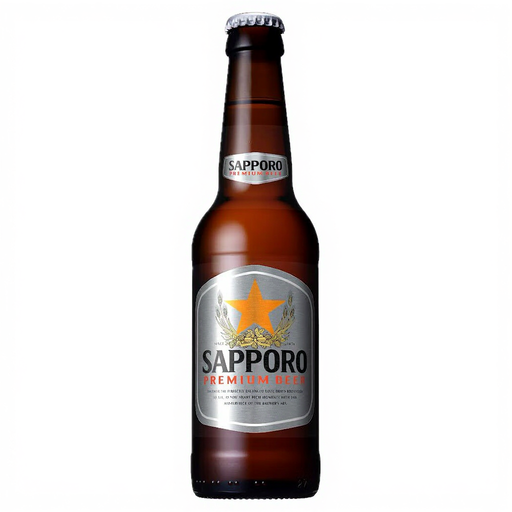
Why this fits the profile: The 330 ml bottle makes it easy to try Japanese beer without committing to a large case straight away. The stated alcohol percentage is 4.7%.
The product information lists the format, alcohol percentage, ingredients and allergens. This makes your choice verifiable rather than based solely on the brand story.
330 ml bottle; 4.7% alcohol; pilsner-style Japanese lager with a described crisp, clean finish.
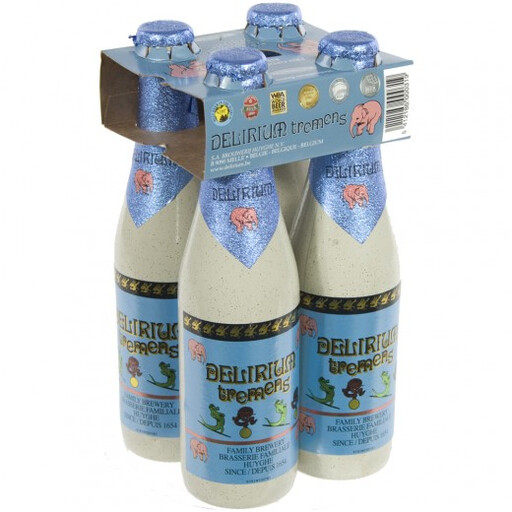
Why this fits the profile: This Belgian strong blonde ale is designed for those looking for a distinctive speciality beer. The product description mentions fruity aromas and 8.5% alcohol.
The alcohol percentage and serving temperature of 3–6 °C are clearly stated. This allows you to distinguish this beer from an ordinary pilsner.
4 bottles of 330 ml; 8.5% alcohol; ingredients and barley allergens are specified.
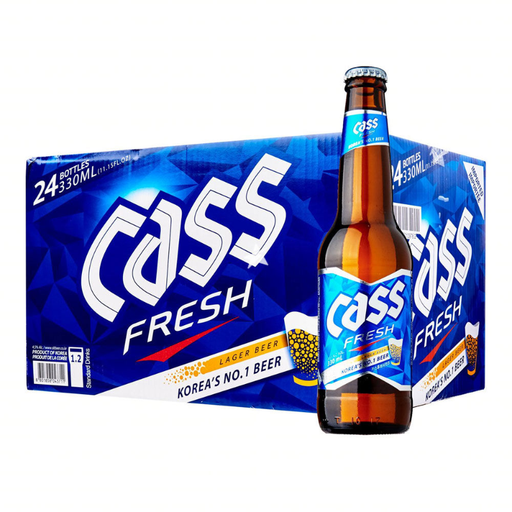
Why this fits the profile: The case of 24 cans of 330 ml is practical for parties, barbecues, hospitality or regularly restocking the fridge. According to the product information, this Korean beer contains 4.5% alcohol.
The package format is explicitly stated. You know in advance that you’re ordering 24 servings and can plan the necessary fridge and storage space.
24 cans of 330 ml; 4.5% alcohol; suitable for serving chilled by the portion.
We’ve put together a full, up-to-date list of products that fully meet these strict selection criteria and comply with current European safety regulations.
For a dinner with Asian dishes, you could look at Thai beer, such as LEO Beer in a 330 ml bottle, or Vietnamese beer, such as Saigon Export Premium and Saigon Special. If you need a larger stock, a 24-pack is worth considering.
African beer styles also work well with a barbecue, such as Tusker from Kenya, or a lager from Poland, like Lech Pils. For an alcohol-free table, Corona Cero from Mexico and Heineken 0.0 are options with a stated alcohol percentage of 0.0%. Always check the current packaging and allergen information for alcohol-free beer.
Check the alcohol percentage, number of packages, volume per bottle or can, country of origin, ingredients and allergens. Also look at storage and serving instructions. Only order alcoholic beer if you are 18 years or older, and drink responsibly.
Not necessarily. The final cost depends on the format, the number of units, delivery and the type of beer. So compare the price per bottle or per litre. A large crate can be good value for a party, but a smaller package limits the risk if you’re not yet familiar with the taste.
The best-before information is on the packaging. Store beer in a cool, dark place at a stable temperature. Check the seal before use and drink an opened bottle or can straight away. Products with special aromas or fruit additions may taste different if stored too warm.
