
Same-day & Next-day Delivery

Quality Guaranteed

Unlock Your Welcome Offers: FREE Delivery | Up to 80% OFF | Free 30-day JoyPlus trial
Download the APP
Buying international beer online gives you access to flavours you won't always find at your local supermarket. Think Japanese beer, Thai beer, Polish beer, Belgian kriek beer and African beer. At the same time, comparing online isn't always straightforward. A striking label tells you little about the taste, a large crate can prove awkward, and product information is sometimes incomplete or inconsistent across different sites.
With this practical guide, you can focus on the details that really matter when it comes to beer: alcohol percentage, volume, packaging, ingredients, allergens and shelf life. That way, you can order more confidently, whether for yourself or for a dinner party, barbecue or celebration.
"Japanese beer" could be a light pilsner, but it could also be a distinctive craft beer with citrus or spicy notes. Thai beer often works well with spicy dishes, while a stout can taste fuller and more roasted. So don't just look at the country of origin – also check the beer style and ingredients.
Look out for terms such as lager, pilsner, weisse, stout or fruit beer. With fruit beer, it's also worth checking whether juice, concentrate, flavourings or sweeteners have been added. Lindemans Kriek, for example, states a minimum of 10% sour cherry concentrate and steviol glycosides as a sweetener.
A crate or box of 12 or 24 beers is practical when you're expecting several guests. For a first try, however, such a pack can be unnecessarily large. Always check:
The product information for Chang, for example, lists both a pack of 24 × 320 ml and a description referring to an individual can. So check the current product page and the label before you order.
Words like "authentic", "refreshing" or "rich in flavour" are mainly descriptive. They don't automatically make a beer suitable for your taste. A verifiable detail, for example, is that Singha has 5.0% alcohol and a volume of 330 ml. With Guinness, it's a pack of 6 × 325 ml and a stated alcohol percentage of 7.5%.
If in doubt, check the product packaging. This is especially important for alcohol percentage, ingredients, allergens and the best-before date.
The alcohol percentage helps you compare beers fairly. The range includes, for example:
A lower percentage can suit a longer evening or several small tasting portions, while a stronger beer is better enjoyed slowly. Drink responsibly, don't drink if you need to drive, and only order alcohol if you are 18 or over.
A 330 ml bottle is handy for individual use. A clip-pack of 4 × 25 cl, such as Lindemans Kriek, is ideal when you want to try a small amount or serve several different beers side by side. For a larger group, 12- and 24-packs make more sense.
Also note the difference between beer in bottles or cans. Glass can suit a traditional serving experience, while cans are often easier to transport and store. Check the product page for packaging type and volume, as the product title and description can sometimes highlight different details.
Most standard beers contain water, malt, hops and yeast. Malt is often derived from barley and therefore contains gluten. The product information for Singha, Kirin and Junsui, among others, lists barley as an allergen. ZYWIEC BIALE also mentions wheat malt and coriander.
So before you check out, look at:
Supermalt Original is not an alcoholic beer, but a non-alcoholic malt drink of 330 ml. According to the product information, this drink contains barley malt, glucose and vitamins. Again, check the allergen information and the label.
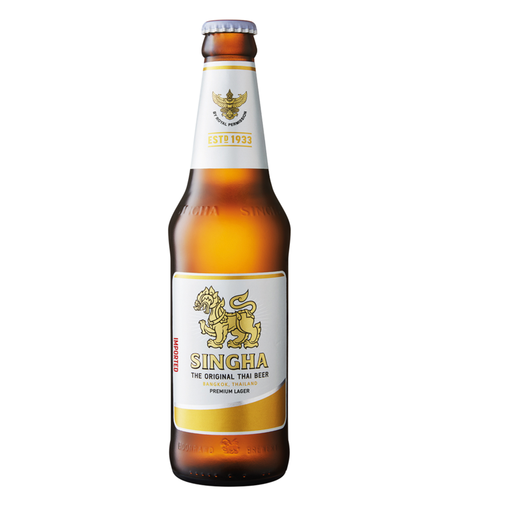
Why it suits this profile: A single 330 ml bottle is straightforward when you want to try Thai beer for the first time, without committing to a large box straight away.
The volume, packaging and alcohol percentage of 5.0% are clearly stated in the product information. This allows you to tailor the purchase to an individual drinking occasion.
330 ml per bottle; pilsner style; product information lists water, barley malt, hops and yeast.
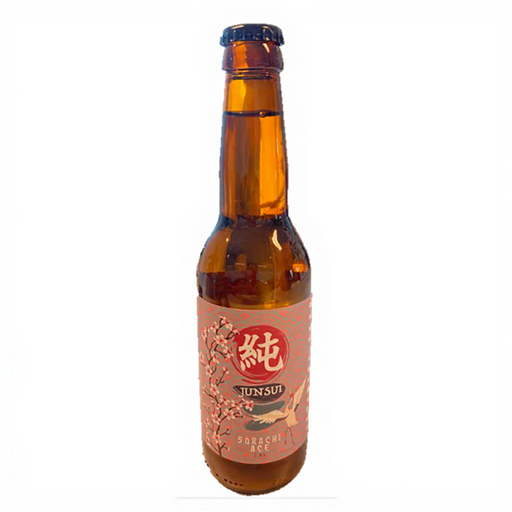
Why it suits this profile: If you're looking for a distinctive flavour profile, the product description mentions Sorachi Ace hops with notes of lemon, dill and spice.
The specific hop variety is named. You don't have to rely solely on general terms like speciality beer or craft beer.
330 ml bottle; ingredients list barley malt, Sorachi Ace hops and yeast; product information notes gluten from barley.
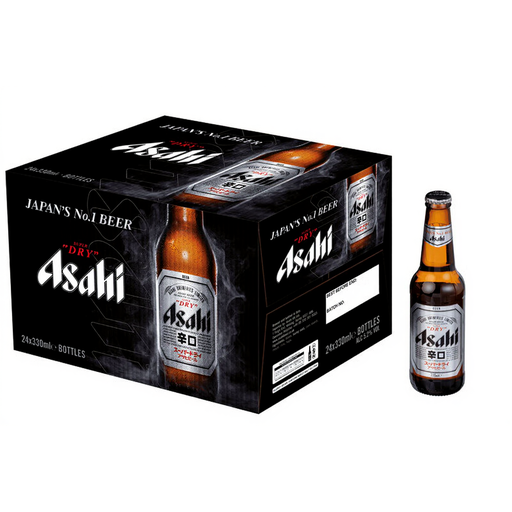
Why it suits this profile: A box of 24 bottles of 330 ml is ideal for regular drinking occasions, parties or dinners with several guests.
The number of units and the bottle volume are visible upfront. This lets you estimate the total quantity and storage space needed.
24 × 330 ml; according to the product information, 5.2% alcohol; ingredients list contains water, barley, yeast and hops.
When ordering beer online, follow this order:
For a tasting, you can combine smaller packs – for example, a Japanese beer like Kirin Ichiban or Junsui Yuzu Weisse with Belgian kriek beer. For a meal, Singha, Leo or Chang are logical styles to pair with Asian dishes, according to the product descriptions. If you're looking for an African beer, you can check out Tusker; this lager is listed with 4.2% alcohol and a bottle volume of 500 ml.
We've put together a full, up-to-date list of products that fully meet these strict selection criteria and comply with current European safety regulations.
Yes, you can, as long as you order from a reliable retailer and check the product information. Pay attention to alcohol percentage, ingredients, allergens, packaging and best-before date. For alcoholic drinks, you must also be 18 or over; identification may be requested upon delivery.
The shelf life varies by product, packaging and storage. Store beer according to the label, usually in a cool place out of direct sunlight. Temperature fluctuations can affect quality. Always check the date on the packaging, as stock can vary per delivery.
Not always. Compare the price per litre and factor in any deposit or delivery costs. A crate or box of 24 can be cost-effective for regular use, but individual bottles or a four-pack reduce the risk if you want to try an unfamiliar world beer style first.
