
当日/次日达

品质保障

开启新人专享福利: 全场免邮 | 低至 2 折 | 免费试用 30 天 JoyPlus 会员
下载 Joybuy
Buying international beer is straightforward, but the range varies considerably in origin, alcohol content, bottle or can size, and packaging format. An attractive label doesn’t always tell you everything about what you’re getting. If you only focus on the country of origin or a well-known brand name, you could end up with a pack that doesn’t suit your intended use.
These three pitfalls are common:
A practical selection therefore starts with the occasion. Are you looking for a foreign lager for a barbecue, an international beer to go with a meal, or are you buying speciality beer online for a tasting? Different features will matter in each case.
The alcohol content partly determines how strong the beer tastes. In the range you’ll find, for example:
Check the percentage on the product page and on the label when it arrives. Product information can vary per pack or import batch. Don’t drink alcohol if you still need to drive, and remember the legal minimum age of 18 in the Netherlands.
“Beer by the bottle or crate” is an important search criterion, but the volume varies. A 250 ml bottle is suitable when you want to try different types of world beer. For a party or barbecue, a tray of 24 cans can be more practical.
Pay attention to:
Most regular beers contain ingredients such as water, malt, hops and yeast. Some varieties also use maize, rice, sugar, herbs or spices. If you need to avoid allergens, it’s a good idea to check the ingredient declaration. Barley and gluten-containing cereals are listed on several products.
Store international beer in a cool, dry place away from direct sunlight. Avoid large temperature fluctuations. The exact best-before information is on the packaging; check it upon delivery. A damaged cap, crown cork or seal is a reason not to open the product.
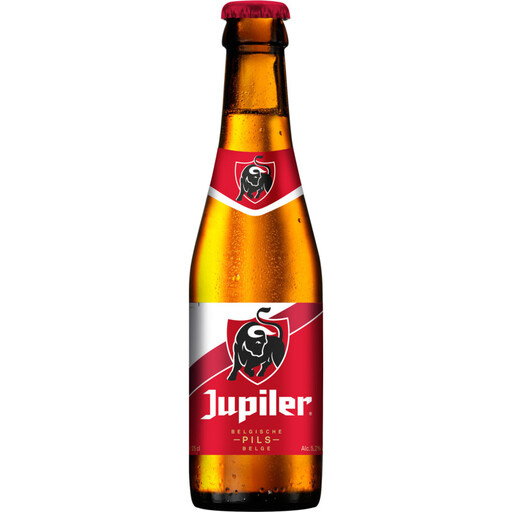
Why this fits the profile: The small 250 ml bottle makes it easy to get acquainted with Belgian beer without ordering a large pack straight away. The product information states an alcohol content of 5.2%.
The volume is clearly stated as 250 ml. This prevents confusion between a tasting pack and a crate.
Belgian pilsner; ingredients and allergens are listed; recommended serving temperature in the product information: 3 °C.
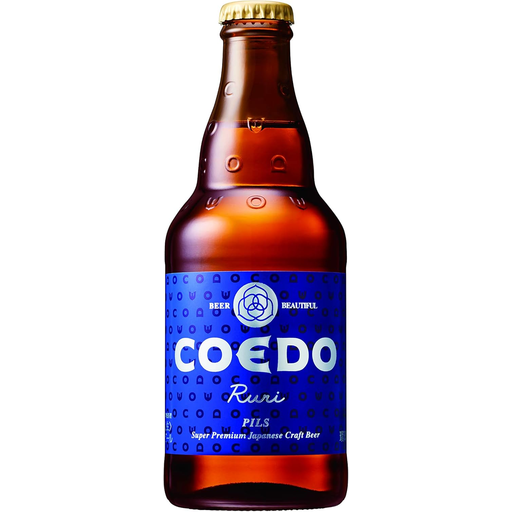
Why this fits the profile: According to the product details, this Japanese pilsner contains 5% alcohol, has a volume of 333 ml and states an IBU value of 19. That gives you more to go on than just a flavour description.
The beer style, origin, alcohol content and bitterness value are all described concretely. Still check the allergens on the label.
Japanese origin; pilsner style; 333 ml; IBU 19 and 5% vol. according to the product information.
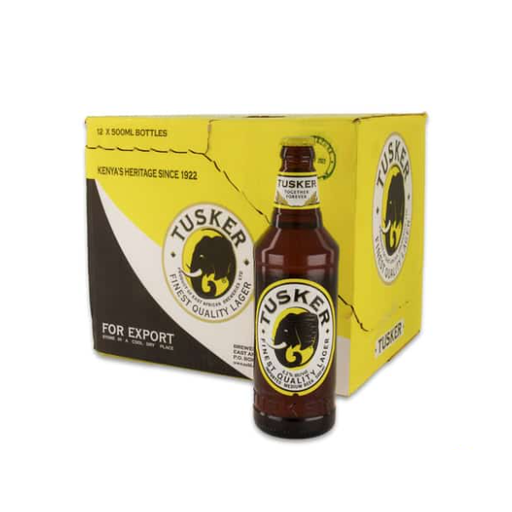
Why this fits the profile: The pack contains 12 bottles of 500 ml. This makes this African beer ideal for a larger gathering, a barbecue or stocking up for several occasions.
The number of bottles and the volume per bottle are stated in the product name. This makes it easier to estimate the total quantity in advance.
Origin Kenya; 12 bottles of 500 ml; alcohol content of 4.2% according to the product information.
For an international tasting, you can combine countries and styles. Japanese beer such as Kirin or Sapporo pairs well with light meals and snacks. Thai beer, for example Singha, Chang or Leo, is described in the product information as suiting spicy dishes, grilled meat and seafood. Polish beer such as Tyskie and Zywiec offers a choice including a light lager and a variety with wheat malt and coriander.
If you’re looking for something different from pilsner, you could choose Coopers Original Pale Ale from Australia. This pack contains 6 bottles of 37.5 cl and states 4.5% alcohol. For a Belgian speciality beer, Leffe Tripel is a stronger option with 4 bottles of 330 ml. Always check the current packaging, ingredients and best-before date for each product before you order.
We’ve put together a full, up-to-date list of products that fully meet these strict selection criteria and comply with current European safety regulations.
Adult consumers aged 18 and over can order beer online from a provider that sells and delivers alcohol in accordance with current regulations. Check the age verification, delivery terms and any restrictions for your address at checkout.
Store beer in a cool, dry place away from direct sunlight. Preferably place bottles and cans somewhere stable and avoid large temperature fluctuations. Always check the best-before information on the packaging, as the date can vary per batch.
That depends on the price per litre, packaging and delivery costs. A single bottle is handy for trying a new style. A multipack or crate can make more sense for a party, but first compare the price per litre, the number of units and the alcohol content.
