
当日/次日达

品质保障

开启新人专享福利: 全场免邮 | 低至 2 折 | 免费试用 30 天 JoyPlus 会员
下载 Joybuy
Buying international beer may seem straightforward, but the options vary widely in origin, packaging, flavour profile and alcohol content. If you focus only on the brand name or a low price, you could end up with too much beer, inconvenient packaging or a flavour that doesn’t suit your dinner or party.
This guide helps you buy beers from around the world, using verifiable product information as a starting point. You’ll find practical tips and some popular choices from Japan, Thailand, Poland, Belgium and Vietnam.
A crate or case of 24 bottles may seem like good value, but check the total volume first. A pack of 24 x 330 ml contains less beer than a case of 24 x 500 ml. The difference between cans and bottles can also matter for storage, transport and serving.
So compare:
Words such as premium, traditional or speciality beer don’t tell you much about the flavour on their own. Instead, check the product description and ingredients. A light lager is usually quite different from a dark abbey-style beer or a fruity speciality beer.
For example, Kirin Ichiban is described in the product information as a Japanese lager with a fresh, smooth flavour. Leffe Brune, by contrast, has a darker colour and a fuller, slightly sweet flavour profile, according to its product description.
Japanese, Thai and Korean beers often contain around 4.5 to 5.2% alcohol, while Belgian tripels and strong blond beers can be around 8.4 to 8.5%. This difference affects how much you buy and how you serve the beer.
Also check for allergens. Many products contain barley malt and gluten. Always check the label, especially if you have a gluten allergy or intolerance. Only order and drink alcohol if you are 18 or over. Don’t drink if you need to drive.
The beer’s origin gives you an initial indication, but it doesn’t determine the flavour on its own. Check whether the product is a lager, pilsner, tripel, abbey beer or fruit beer.
For a barbecue or party, 24 bottles of beer or 24 cans of beer are handy if you want to stock up. Cans are often easy to chill and recycle. Bottles may be more suitable for serving beer at the table.
For a smaller household, a pack of four or six is often easier to manage. This helps prevent a flavour you don’t enjoy from sitting unused for months.
Always check the alcohol content and ingredients before ordering. Products such as Tripel Karmeliet and Delirium Tremens contain around 8.5% alcohol. According to the product information, Lindemans Framboise has an alcohol content of 2.5% and a fruity profile.
Store beer in a cool place, away from direct sunlight. The exact best-before date and storage instructions are on the packaging. When your bottles or cans arrive, also check that the seal and packaging are undamaged.
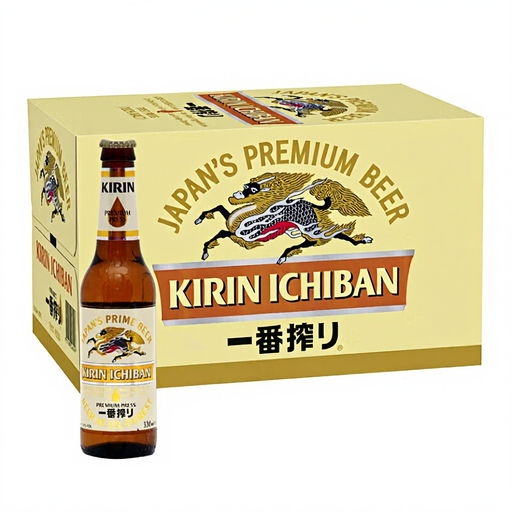
Why it suits this buyer: The case contains 24 cans of 330 ml, making it a practical choice for trying Japanese beer for the first time, serving at dinner or keeping in stock for several occasions.
The pack size and 5.0% alcohol content are clearly stated, so you can compare quantity and strength rather than relying on the brand name alone.
24 cans of 330 ml; according to the product information, a fresh lager made with ingredients such as water, barley malt, hops and rice.
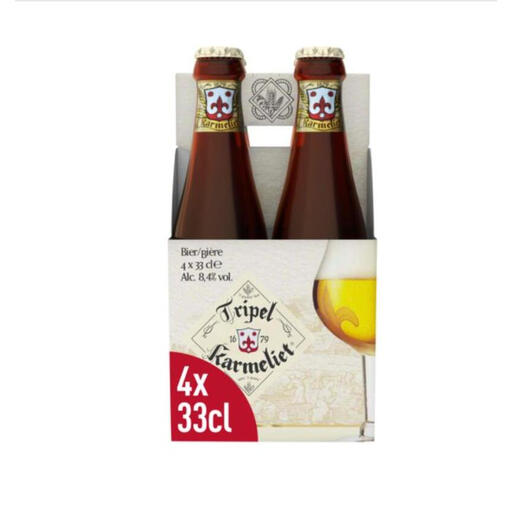
Why it suits this buyer: This Belgian speciality beer is a good choice if you’re looking for something more complex to enjoy with dinner or savour at your leisure.
The 8.4% alcohol content and allergen information are listed, so you can make an informed choice and distinguish it from a standard lager.
Four bottles of 330 ml; ingredients include barley malt, wheat, oats, hops and herbs.
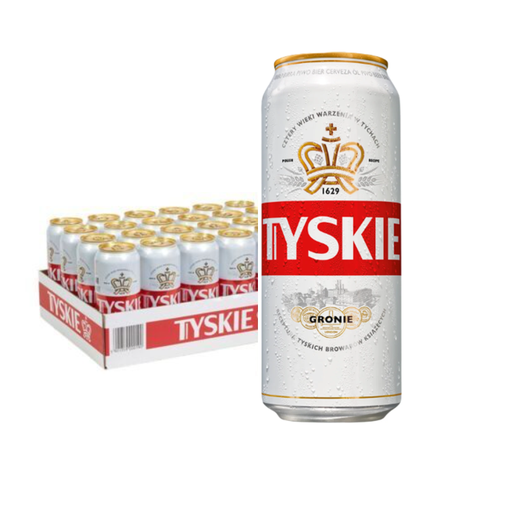
Why it suits this buyer: The 50 cl bottles and case of 24 are a good fit for parties, hospitality venues, barbecues and larger gatherings.
Each bottle contains 500 ml, making it easier to plan the total quantity than with a case of smaller bottles.
24 bottles of 50 cl; according to the product information, it contains 5.6% alcohol and is made with barley malt and hops.
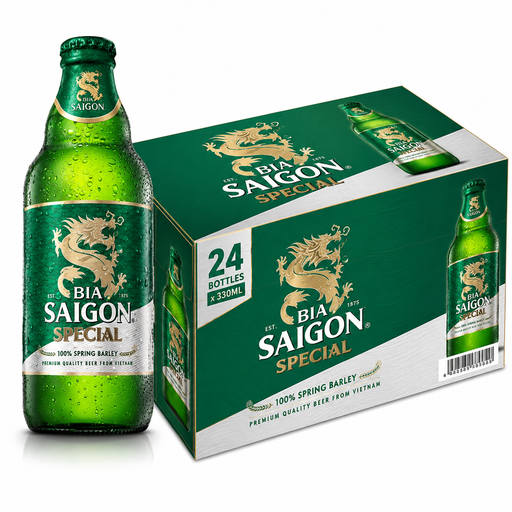
Why it suits this buyer: This Vietnamese lager is a good choice if you’re looking for a case to serve with Vietnamese dishes, grilled meat, seafood or a larger meal.
The product information lists its origin, 4.9% alcohol content, 24 bottles of 330 ml, and allergens such as barley and sulphites.
24 bottles of 330 ml; clear information on ingredients, serving temperature and storage instructions.
We’ve put together a full, up-to-date list of products that meet these strict selection criteria and comply with current European safety regulations.
Yes. The range includes cases of 24 bottles or cans, as well as smaller packs of four or six. If you’re ordering a crate, always check the total volume, packaging and alcohol content.
Store beer in a cool, dry place away from direct sunlight. When serving it, you can chill it as recommended in the product information. Check the packaging when it arrives and refer to the best-before date on the label.
Packs of 24 are practical for larger groups. Light lagers such as Kirin, Singha, LEO, Cass Fresh or Saigon Special pair easily with snacks and meals. For a dinner with smaller portions, Belgian speciality beers such as Tripel Karmeliet or Leffe Brune may be more interesting. Always check the alcohol content and serve responsibly.
