
Same-day & Next-day Delivery

Quality Guaranteed

Unlock Your Welcome Offers: FREE Delivery | Up to 80% OFF | Free 30-day JoyPlus trial
Download the APP
Ordering international beer is straightforward, but the choice can quickly become overwhelming. Whether you're after a crisp Japanese beer, a spicy Belgian variety, a Thai lager, or a hearty Polish beer pack, it's the alcohol content, packaging, and flavour description that matter most – not flashy marketing claims.
When buying international beer, watch out for these common pitfalls:
The terms lager beer, pilsner beer, pale ale and blonde beer give you an initial idea of the beer type. A lager or pilsner is often clear and relatively approachable, but the exact flavour depends on the malt, hops, yeast and any additions like rice or maize.
A pale ale, such as Coopers Original Pale Ale from Australia, can offer more aroma and a fuller mouthfeel. According to the product information, this variant has a blonde colour, an alcohol content of 4.5% and a volume of 37.5 cl per bottle.
Don't just compare the number of bottles or cans – also look at the total volume. A pack of 24 cans of 50 cl contains significantly more beer than a beer pack with four bottles of 33 cl.
Also check:
Most standard beers contain barley malt and therefore gluten. Check the allergen information on the product page and packaging. For example, the product information for Kirin Ichiban lists barley malt, yeast, hops and water as ingredients, and mentions barley as an allergen.
Store international beer in a cool place away from direct sunlight. Avoid large temperature fluctuations. The best-before date and additional information are on the packaging. If cans or bottles have a damaged seal, it's best not to use the product.
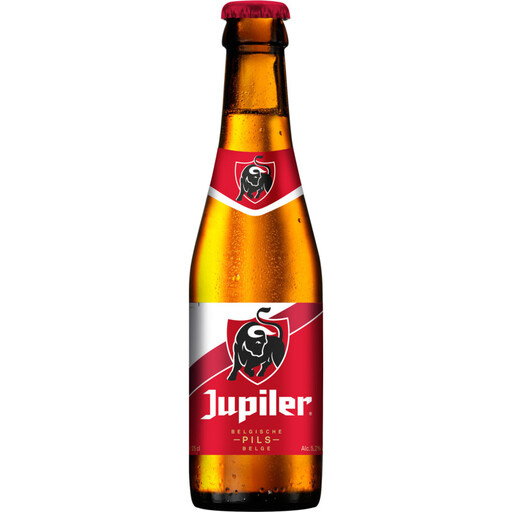
Why this fits the profile: The 250 ml bottle is ideal if you want to try a Belgian pilsner beer individually without committing to a large stock. According to the product information, this beer contains 5.2% alcohol.
The small pack size limits waste when you're not yet sure which foreign beer suits you.
250 ml per bottle; Belgian pilsner with a clearly stated alcohol content of 5.2%.
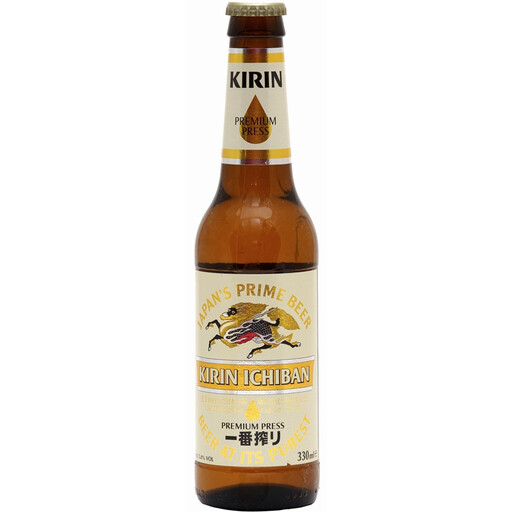
Why this fits the profile: Kirin Ichiban is a Japanese beer in a handy 330 ml bottle. According to the product information, it's made from water, barley malt, yeast and hops, and has 5.0% alcohol.
The product information lists style, volume, alcohol percentage and ingredients, so you're not relying solely on the country of origin.
Japanese origin; 330 ml; 5.0% alcohol; clear ingredient information.
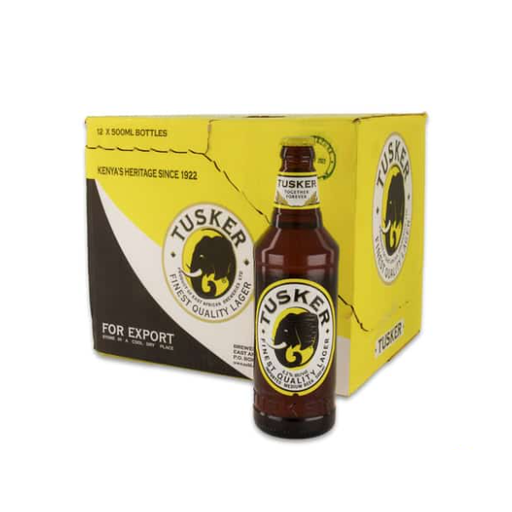
Why this fits the profile: This African beer from Kenya comes in a pack of 12 bottles of 500 ml. The alcohol content of 4.2% is clearly stated in the product information.
The fixed format makes the total quantity clear upfront: 6 litres split across 12 bottles.
500 ml per bottle; 12 units; 4.2% alcohol; from Kenya.
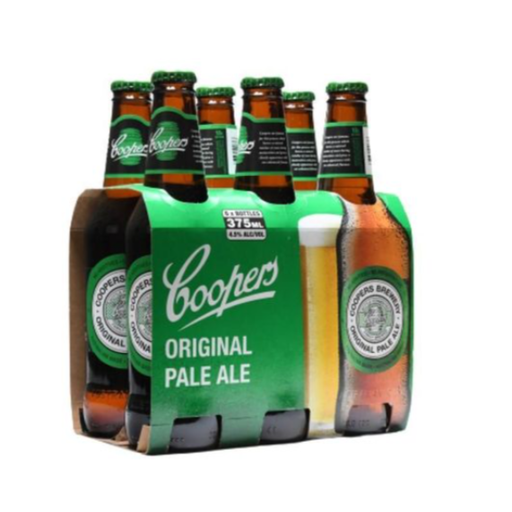
Why this fits the profile: If you want to try an Australian pale ale alongside pilsners, this six-bottle pack gives you a manageable 2.25 litres in total.
It's not a large crate, so you can discover a different beer style without building up a long-term stock.
Australian origin; six bottles of 37.5 cl; 4.5% alcohol; blonde pale ale.
We've put together a full, up-to-date list of products that fully meet these strict selection criteria and comply with current European safety regulations.
A simple way to choose an international beer is to start with the dish:
Choose a lager or pilsner with an alcohol content around 4% to 5.5% when guests have different preferences. Larger packs, such as 24 cans or bottles, are practical for a bigger group. Do compare the price per litre and check your available fridge space.
Beer in cans is light, easy to stack and practical for a party or barbecue. Beer in bottles often suits a dinner or tasting better, but takes up more space and can be fragile. Also look at any deposit or recycling information on the product page and packaging.
The shelf life varies by product. Store beer in a cool, dry place away from direct sunlight. Always check the date and storage advice on the packaging. An opened bottle or can is best consumed straight away, as the carbonation and flavour change quickly.
