
Vandaag of morgen in huis

Kwaliteit gegarandeerd

Welkomstaanbiedingen ontgrendelen: GRATIS bezorging | Tot 80% korting | Gratis 30 dagen JoyPlus-proefperiode
Download de app
Buying international beer might seem straightforward, but the range varies widely in origin, packaging, alcohol content and style. A Thai lager, for example, pairs well with spicy food, while an Irish stout is better suited to a hearty dinner or dessert. If you choose based only on the brand or packaging, you could end up with a beer that doesn’t suit the occasion or needs drinking sooner than expected.
This guide will help you compare beer from around the world, foreign beers and speciality beers before ordering online.
A box of 24 often looks like good value, but always check the volume of each bottle or can. A pack of 24 x 330 ml is quite different from 24 x 500 ml. A larger format can be handy for a barbecue or party, but if you’re trying Asian beer for the first time, individual bottles or a smaller pack may be more practical.
Also look out for the differences between:
Words such as “authentic”, “refreshing” or “full-flavoured” give you a general impression, but they don’t tell you everything about the product. Check the alcohol content, ingredients, volume and beer style in particular.
For example:
If you’re unsure, check the product page and label. Brand descriptions can’t guarantee that you’ll enjoy the taste.
Beer should generally be stored in a cool place, away from direct sunlight. According to the product information, temperature fluctuations can affect its quality. Before buying, also check the best-before information on the packaging, especially if you’re ordering a large pack.
Many international beers contain barley malt and therefore gluten. Products such as Singha, Tyskie, Zubr, Żywiec, Asahi and Guinness list barley or gluten-containing cereals in their ingredients or allergen information. Always check the current label, as recipes and labels can vary between markets.
The alcohol content helps you compare different products more fairly. The lagers commonly available in the range contain around 4.5% to 5.6% alcohol, while a tripel or stout may have a noticeably higher percentage.
Examples from the range:
Be aware that the product name and the full product information may sometimes show different percentages. For example, Asahi uses a product name showing 5%, while the product information states 5.2% vol. So check the label on the delivered packaging for the definitive information.
Origin is a useful starting point when narrowing down your choices, but it doesn’t determine the flavour on its own. A Thai beer such as Singha, LEO or Chang is described as a crisp lager that goes well with dishes featuring spices, grilled flavours or seafood. Japanese options such as Asahi, Kirin and Sapporo are described as light lagers with a clean or refreshing character.
Polish beers such as Tyskie, Zubr and Żywiec may appeal if you’re looking for a light beer with malty, hoppy or slightly fruity notes. For a darker, fuller profile, consider Guinness. If you’re after something different, you could try a fruity wheat beer such as Junsui Yuzu Weisse.
Bottles of 300 to 330 ml are a manageable size for drinking at home or with a meal. 500 ml cans can be practical for a barbecue or larger gathering. Also check:
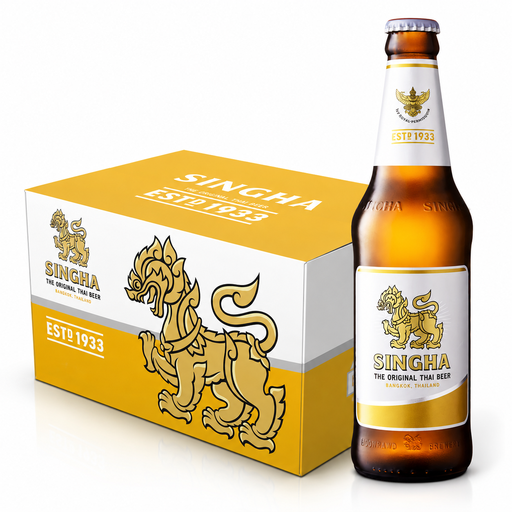
Why it suits this profile: The box contains 24 bottles of 330 ml, making it a good choice if you’re looking for a familiar Thai lager for a meal or party. According to the product description, it has a lightly bitter, malty profile.
The number of bottles and the volume are clearly stated, so you can work out in advance whether there’s enough for your group.
24 x 330 ml, 5.0% alcohol and ingredients including barley malt, hops, water and yeast, according to the product information.
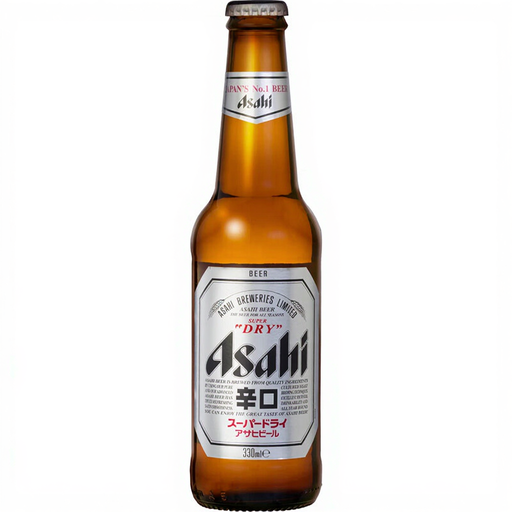
Why it suits this profile: If you’re looking for a Japanese lager to enjoy with a meal, you can compare this 330 ml bottle with other Japanese options. The product information lists water, barley, yeast and hops as ingredients.
The bottle size and allergen information are available, so you don’t have to rely on the brand’s presentation alone.
Japanese lager in a 330 ml bottle; the product information states 5.2% vol. and gluten from barley.
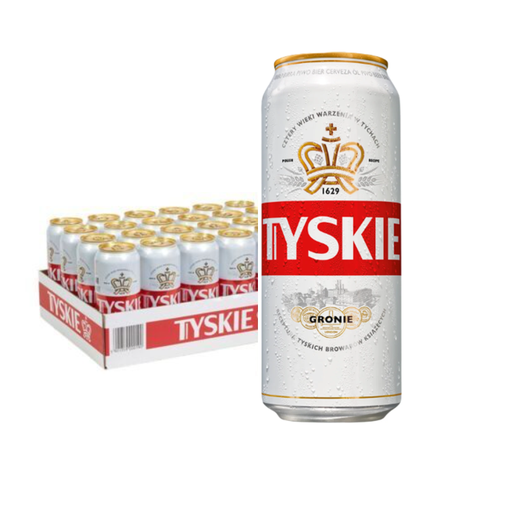
Why it suits this profile: The 24 cans of 50 cl are intended for larger gatherings, barbecues or regular use. The product information states that it contains 5.6% alcohol and describes it as a light beer with hoppy, caramel and fruity notes.
There’s no uncertainty about the quantity: you can see in advance that the pack contains 24 units of 50 cl each.
Polish lager, 24 x 500 ml, with water, barley malt and hops clearly listed.
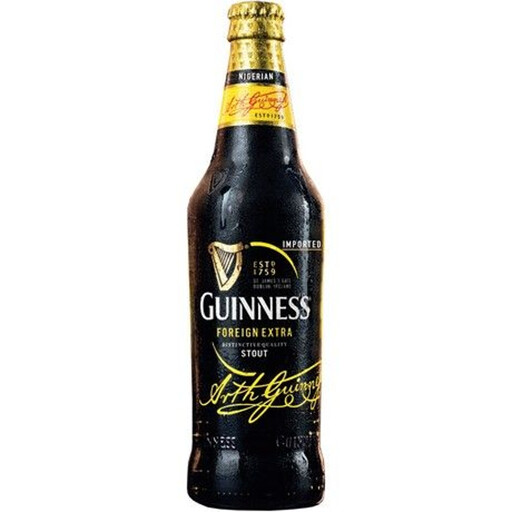
Why it suits this profile: This stout is a good choice if you’re looking for something other than a standard lager. According to the product information, it has a dark character with roasted malt, coffee and chocolate notes.
The alcohol content of 7.5% is clearly stated, making it easy to distinguish from lighter pilsners and lagers.
325 ml bottle, 7.5% alcohol and an ingredients list that includes roasted barley, hops and yeast.
We’ve put together a complete, up-to-date list of products that meet these strict selection criteria and the applicable European safety regulations.
Yes, you can order various types of foreign beer online, including Thai, Japanese, Polish and Irish beer. Check the product volume, alcohol content, delivery terms and any age checks before ordering. Alcoholic drinks are intended for people aged 18 and over only.
It depends on how you plan to use it. A 330 ml bottle is a good size to enjoy with a meal and makes it easy to keep track of portions. A 500 ml can is practical for a barbecue or party. For your first purchase, it’s often wiser to choose a smaller pack rather than going straight for a large multipack.
The best-before date varies by product and is shown on the packaging. Store beer in a cool, dry place away from direct sunlight. Always follow the storage instructions on the label and don’t drink a product if its seal is damaged. Check the ingredients and allergen information before serving the beer.
