
Vandaag of morgen in huis

Kwaliteit gegarandeerd

Welkomstaanbiedingen ontgrendelen: GRATIS bezorging | Tot 80% korting | Gratis 30 dagen JoyPlus-proefperiode
Download de app
A quick bowl of noodles might seem simple to pick, but packaging doesn't always tell the full story. When you're buying instant ramen, you often focus on flavour, price or an eye-catching packet. Yet other details determine whether a product really suits your situation.
Three common pitfalls:
There are broadly three types:
One example is the Yang Zhang Gui Gao Ren Ramen. According to the product description, the noodle cake and ingredients should be covered with boiling water and left to stand for 4 to 5 minutes with the lid on. No fork is included due to European plastic restrictions. Keep this in mind if you plan to use the product away from home.
Japanese ramen is often recognisable by flavour directions such as:
Korean ramen and spicy ramen more often emphasise chilli, garlic and bold spices. Chinese instant noodles can range from sesame and soy sauce to sweet-and-sour or spicy sauces.
Always check the allergens. The products mentioned contain, among others, wheat, soya, sesame, milk, egg, fish, crustaceans and celery. A product with "vegetarian" in its name is not automatically suitable for every vegetarian: for example, Igarashi Seimen Sapporo Miso Ramen also lists an allergen warning for prawns/crustaceans. So read the label and the current product page.
Compare nutritional values per 100 grams as well as the total net weight. A 66 g serving in a cup is quite different from a 180 g packet or a multipack of 30 × 100 g.
Pay particular attention to:
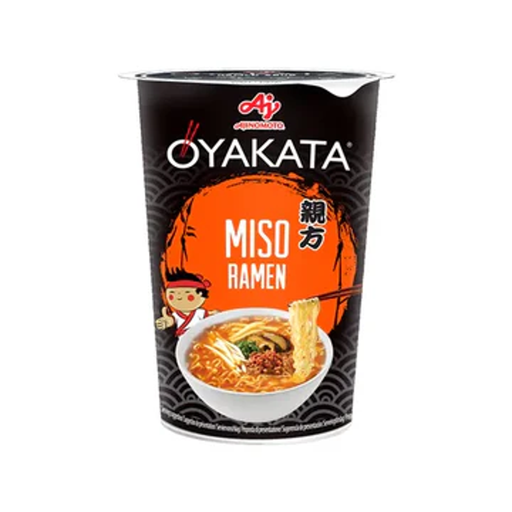
Why this fits the profile: The cup is a clear single-serving portion for a quick lunch, snack or meal without needing a pan.
The portion and preparation method are clear: add hot water and wait a few minutes. Do check the mention of wheat and soya.
66 g per cup, miso flavour, no artificial colours according to the product description, and suitable for preparation with just hot water.
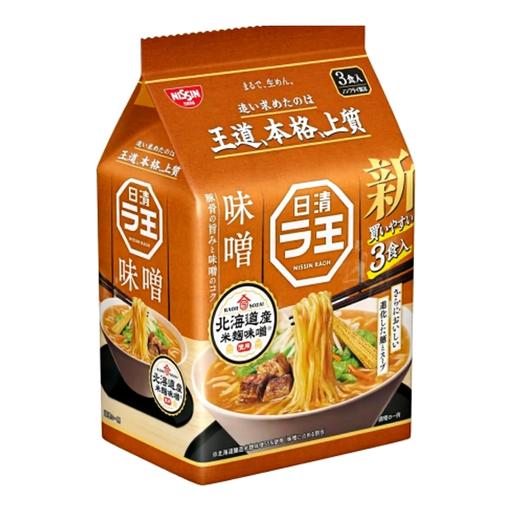
Why this fits the profile: The pack contains three servings and suits those who want to prepare Japanese ramen regularly without buying a large stock straight away.
The product page clearly states the flavour, ingredients and allergens. Note: the product contains, among others, wheat, egg, milk, sesame, soya, chicken and pork.
297 g split across three servings, miso broth with pork extract according to the ingredients list, and origin Japan according to the product information.
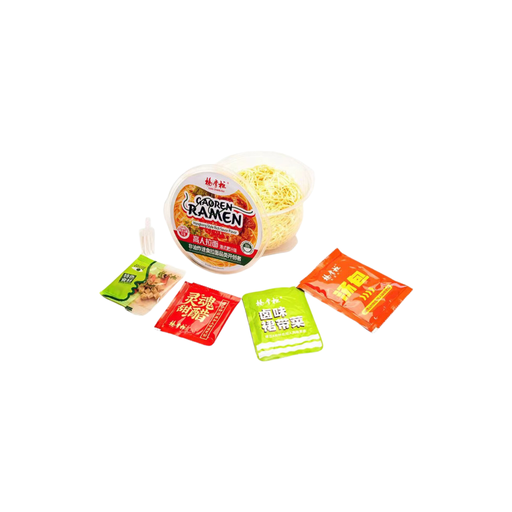
Why this fits the profile: The product name mentions halal and an egg-free version. Always check the current packaging and ingredients list before purchasing.
The product information lists allergens and preparation instructions. Wheat and sesame are stated; halal suitability should be verified on the packaging or certification.
180 g pack, vegetable sachet with dried spring onion, bean sprouts and sweetcorn, plus preparation with boiling water in 4 to 5 minutes.
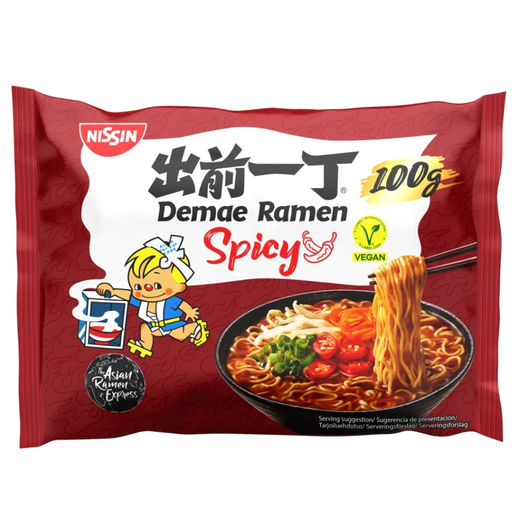
Why this fits the profile: The flavour description mentions chilli, garlic and a spicy broth for those seeking more kick in a quick meal.
The ingredients list names the spicy components and allergens. Wheat and soya are stated; egg, milk and sesame may also be present.
100 g per pack, dried vegetables and a preparation that, according to the product description, is ready in a few minutes.
We've put together a full, up-to-date list of products that fully meet these strict selection criteria and current European safety regulations.
Instant ramen is quick to prepare, but you can easily adapt the meal:
It varies by product. Cup ramen is usually covered with boiling water and left to stand for a few minutes. Packets sometimes need to be boiled for around 3 to 5 minutes. Always follow the instructions on the packaging.
Don't just look at words like "halal" in the product name. Check the ingredients, the halal logo or the certification information on the current packaging. The Yang Zhang Gui variant mentions halal in the product name, but verifying the packaging is still advisable.
Unopened instant noodles can generally be kept until the stated best-before date, provided they are stored in a cool, dry place away from direct sunlight. Check the packaging upon receipt and use an opened product according to the instructions on the label.
