
Vandaag of morgen in huis

Kwaliteit gegarandeerd

Welkomstaanbiedingen ontgrendelen: GRATIS bezorging | Tot 80% korting | Gratis 30 dagen JoyPlus-proefperiode
Download de app
Instant noodles are handy for a quick meal, a student kitchen, lunch at the office or a late-night snack. Yet many packets look very similar. A striking flavour name doesn’t always tell you how much seasoning, vegetables or sauce you’ll actually get. And a large box might seem good value, only for you to end up with a flavour that isn’t right for you.
So watch out for these three common pitfalls:
Confusing heat with depth of flavour
“Spicy” or “hot” doesn’t tell you much about the overall taste. Korean noodles can be heavily chilli-focused, whereas Chinese noodle soup, Thai instant noodles or Indonesian mie goreng can also be sour, sweet, savoury or aromatic.
Buying a multipack without checking the portion size
A pack of five or twenty sachets looks practical, but always check the weight per serving. A small sachet works as a snack; a portion of 120 to 140 grams is more suited to a substantial meal.
Skipping allergens and preparation method
Many Asian instant noodles contain wheat, soya, sesame, milk, fish, shellfish or peanuts. What’s more, not all noodles are the same: some need boiling, others only soaking, mixing or a quick blast in the microwave.
When choosing instant noodles, it’s not just about the brand or country of origin. Look at the combination of flavour profile, preparation time, portion size and packaging type.
For a warming noodle soup, choose a product with a separate soup or seasoning sachet. Nongshim Shin Ramyun and kimchi noodles are examples of Korean ramen with broth and dried vegetables.
Dry noodles, such as Indonesian mie goreng, are drained after soaking and mixed with oil, sweet soy sauce and spices. This gives less liquid and often a more intense sauce in every bite.
Check whether you need a pan. Some products are ready in around four to five minutes in boiling water. Baijia A’KUAN Broad Noodle, for example, uses a soaking method of about five to six minutes. YuanXian Chengdu Cold Noodles are mainly mixed with sauce and toppings, according to the product description.
For the office or on the go, products with a simple cup or soak preparation are practical. Just follow the instructions on the packet and only use a microwave when it’s explicitly allowed.
Instant noodles are designed as convenience food. Nutritional values vary by product and are usually given per 100 grams. Pay particular attention to salt, fat, saturated fat and portion size. For some products, the salt content is around 4 to 5.5 grams per 100 grams, according to the product information provided.
The seasoning mix determines a large part of the flavour. A product may contain monosodium glutamate or other flavour enhancers. That’s no reason to dismiss it automatically, but it should be a visible factor in your decision. If you want more balance, you can add egg, tofu, pak choi, spring onions, mushrooms or fresh herbs to your instant noodles.
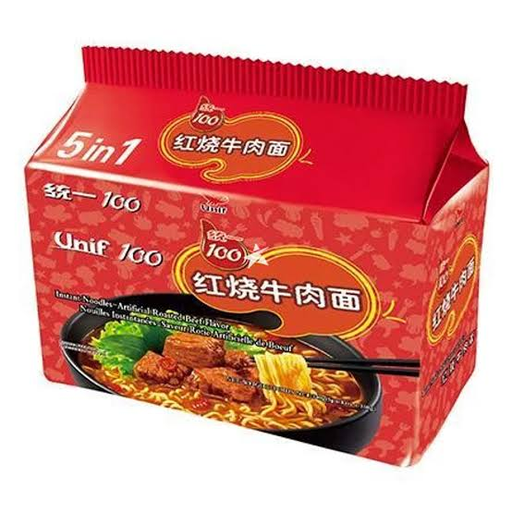
Why this suits the profile: The five 100-gram sachets are straightforward for anyone trying Asian instant noodles for the first time. The product description mentions a preparation time of around five minutes and a beef flavour with dried vegetables.
The portion size and number of sachets are clearly stated. This makes it easier to compare the price per meal.
5 × 100 grams, preparation in around five minutes according to the packet, and a familiar savoury flavour direction.
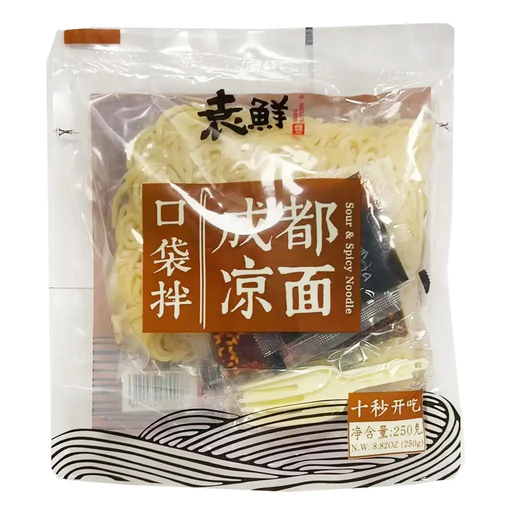
Why this suits the profile: If you’re not after standard noodle soup, this product offers pre-cooked noodles with sauce and toppings in Chengdu style, according to the description. The combination is mixed cold, setting it apart from regular ramen.
The preparation method isn’t a generic soup preparation. The sauce, oil and toppings are added separately, so you know exactly what you’re buying.
250-gram pack, pre-cooked noodles and a distinctive spicy-sour sauce featuring Sichuan pepper, according to the label.
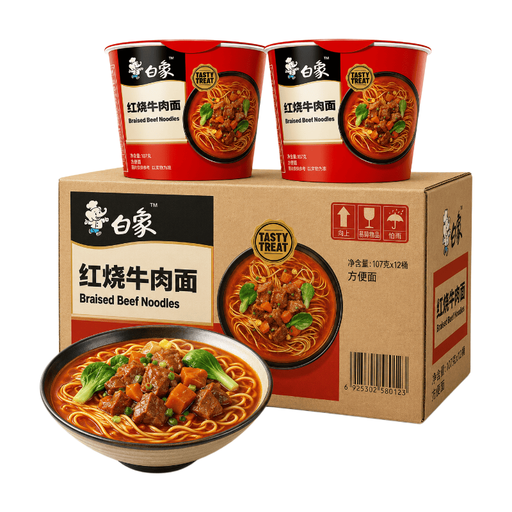
Why this suits the profile: The box contains 12 cups of 107 grams each. That suits households, shared cupboards or frequent users who prefer to buy in bulk.
The packaging unit is clear: 12 individual cups. This means you can calculate the stock and price per portion in advance.
12 × 107 grams, cup packaging and ready in around four minutes according to the product information.
If you’re after Korean noodles, you can choose Nongshim Shin Ramyun, Shin Kimchi or Samyang Buldak Carbonara. With Buldak Carbonara, pay extra attention to the combination of heat, milk ingredients and soya. The product information also mentions a portion of 130 grams.
For Indonesian flavours, Indomie Mi Goreng and Indomie Shrimp Flavor are well-known options. Mi Goreng is served dry with sweet soy sauce, seasoning oil and chilli powder, among other things. The shrimp flavour lists shellfish as an allergen.
Thai instant noodles such as MAMA Shrimp Creamy combine prawn flavour, cream powder and lime-like notes, according to the product information. For Chinese noodles, options include Luobawang snail noodles, Baijia A’KUAN broad noodles and Bai Xiang spicy beef. Check the ingredients of these products carefully, as the flavourings may contain peanut, soya, sesame, fish or shellfish.
We’ve put together a full, up-to-date list of products that fully meet these strict selection criteria and comply with current European safety regulations.
Always follow the packet instructions. Many ramen are boiled for four to five minutes in around 500 to 550 ml of water. Other products need to be soaked and then drained. Add the sauce and seasoning sachets at the time the instructions indicate.
Store unopened packets in a cool, dry place away from direct sunlight. The exact best-before date is on the packet. After preparation, the product information for several varieties advises eating the noodles straight away.
That depends on the portion and your meal requirements. You can add vegetables, egg, tofu or another source of protein to a bowl. If you have allergies, always check the current label, as ingredients and warnings can vary between varieties.
