
Vandaag of morgen in huis

Kwaliteit gegarandeerd

Welkomstaanbiedingen ontgrendelen: GRATIS bezorging | Tot 80% korting | Gratis 30 dagen JoyPlus-proefperiode
Download de app
Instant noodles are handy for a quick meal after college, at the office or as a late-night snack. Yet the packaging varies enormously. A 55 g sachet is quite different from a multipack of twenty portions. Spiciness, allergens, cooking time and salt content can also differ significantly.
As Joybuy Product Recommendation Officer, I filter product information based on practical points. This way, you can see more quickly which instant noodles suit your eating occasion and avoid being swayed solely by eye-catching packaging or a popular flavour.
A bulk pack often lowers the price per portion, but only if you eat that flavour regularly. A box of twenty sachets of kimchi noodles is less practical when you’re mainly after variety. So always check:
For a household, student house or office, an instant noodle multipack can make sense. For occasional use, packs of five or single portions are often easier to manage.
Spicy noodles range from a mild kick to an intensely hot sauce. Product names like Buldak Carbonara, Shin Ramyun and spicy beef refer to different flavour profiles. Pay particular attention to the form of the seasoning:
If in doubt, use only part of the seasoning or sauce sachet first. That changes the flavour intensity without you having to throw away the whole portion.
Asian instant noodles can come with multiple sachets: seasoning powder, oil, sauce and dried vegetables. So check the product page and the packaging itself. Also look out for allergens. Many varieties contain wheat, gluten and soya. Other ingredients that may be present include milk, sesame, fish, shellfish, egg, peanuts or celery.
Information on a website can change. Always read the current ingredients list, allergen information, cooking instructions and best-before date on the packaging before consumption.
Most instant noodles are ready within three to five minutes, but not all. Some products need to be boiled, while others only require soaking in boiling water. Rice noodles or wide noodles may need a longer cooking time.
A few examples:
Always follow the cooking method on the packaging. Not every bowl or pot is suitable for the microwave.
A portion of 55 g is mainly suitable as a snack or light meal. Sachets of 100 to 140 g generally provide a more generous portion. Compare the nutritional values per 100 g, because portion sizes vary by brand.
Pay particular attention to:
For more substance, add egg, tofu, pak choi, carrot or mushrooms, for example. That changes the nutritional value and turns a quick snack into a more substantial meal.
Japanese ramen, Korean ramen, Chinese instant noodles and Indonesian mie goreng each have their own preparation and flavour profile. Product information mentions, for example:
Origin is not an automatic guarantee of your favourite flavour. Use it as a guide and compare the ingredients and cooking method above all.
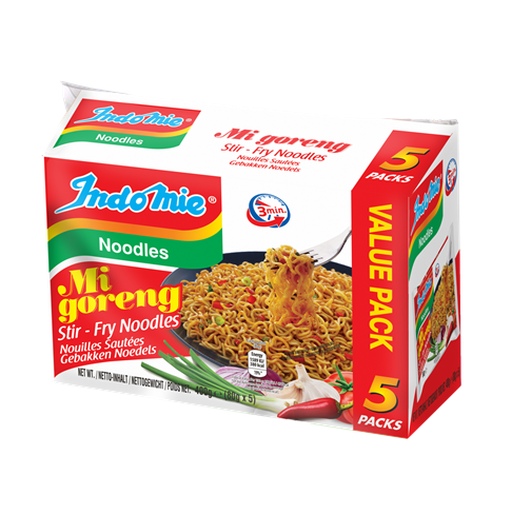
Why this suits the profile: This pack of five sachets is easy to manage for anyone wanting to try Indonesian mie goreng without buying a large stock straight away.
It is a multipack of five portions and the product information lists separate oil, sauce and seasoning components. This means you can clearly see what you’re buying.
Dry preparation after soaking and draining; 5 × 80 g; according to the product information, originating from Indonesia.
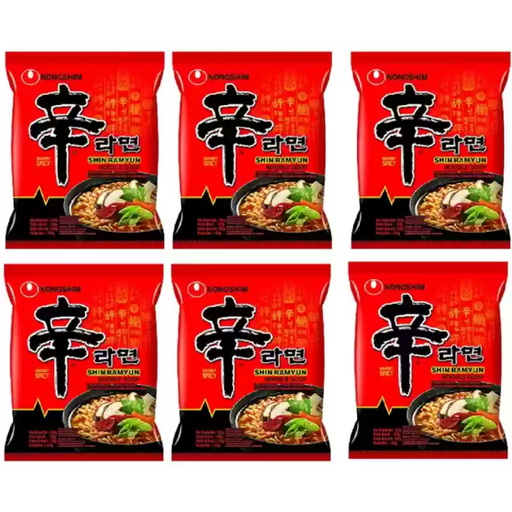
Why this suits the profile: For anyone looking for a recognisable Korean ramen style with a firm noodle and a spicy soup base.
The product page states a fixed cooking time of approximately 4.5 minutes and 120 g per sachet. You can also supplement the spicy broth with egg or vegetables.
6 × 120 g; cooking instructions with 550 ml water; product information states origin South Korea.

Why this suits the profile: The bulk pack is aimed at fans of a creamy sauce and a distinctly spicy flavour who want to eat Buldak Carbonara regularly.
The pack size and portion weight are clear: 10 sachets of 130 g. The ingredients information mentions milk and soya among others, so you can check allergens in advance.
130 g per portion; combination of spicy sauce and carbonara-style powder; multipack of 10 pieces.
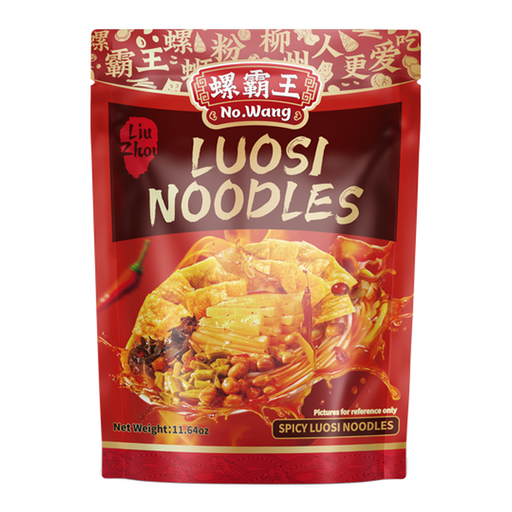
Why this suits the profile: These Chinese rice noodles are intended for anyone seeking a sour, spicy and aromatic flavour with fermented bamboo shoots and Sichuan pepper.
The cooking time of 8 to 10 minutes is stated, so you won’t confuse this product with a quick five-minute meal. Peanuts and soya are also clearly listed as allergens.
330 g per set; rice noodles; multiple flavour components such as broth base, pickled vegetables and chilli oil.
We have compiled a full, up-to-date list of products that fully meet these strict selection criteria and comply with current European safety regulations.
Boil or soak the noodles according to the packaging. Add the seasoning powder, oil and sauce at the indicated time. For stir-fry noodles, you usually drain the water before adding the flavourings. Do not use a microwave with the packaging unless it is expressly permitted.
The best-before date is on the packaging. Store unopened instant noodles in a cool, dry place away from direct sunlight. Check that the packaging is intact after purchase. Once opened, it is best to use the individual sachets straight away.
That depends on the portion size and what you add. A portion mainly contains noodles and flavourings. With vegetables, egg, tofu or another source of protein, you can make the meal more substantial. If you have allergies, always check the current labelling and prepare the noodles according to the instructions.
