
Vandaag of morgen in huis

Kwaliteit gegarandeerd

Welkomstaanbiedingen ontgrendelen: GRATIS bezorging | Tot 80% korting | Gratis 30 dagen JoyPlus-proefperiode
Download de app
A quick bowl of noodles is handy for a lunch at the office, a late-night snack or a stash for busy days. Yet Asian instant noodles, instant ramen and cup noodles vary widely in size, preparation method, salt content and allergens. If you only go by an eye-catching packet or the word “authentic”, you could end up buying a product that doesn’t suit your taste or kitchen.
A cup weighing 62 to 70 grams is usually intended as one light portion. A bowl of around 100 grams typically contains more noodles and seasoning, but the nutritional value and amount of vegetables differ from product to product. So always check the net weight per pack, not just the size of the cup.
Spicy instant noodles can range from a mild hint of chilli to an extremely hot sauce. Product names like “hot”, “spicy” or “fire” don’t follow a standardised scale. With Korean ramen, it’s wise to look at the ingredients and preparation method. Sometimes you can add only part of the sauce to adjust the intensity.
Chicken ramen, prawn ramen, miso ramen and beef-flavoured noodles may contain wheat, soya, fish, shellfish, milk, sesame or peanuts among other things. Even a product with vegetable or sauce sachets can contain fish or soya sauce. Always check the allergen information on the packaging. According to the product information for some varieties, the composition can also differ per flavour.
Many noodles with hot water are ready in three to five minutes. A cup is practical at school, in the office or on the go because you don’t need a pan. Do look at the instructions:
Never use a cup in the microwave unless the packaging explicitly allows it. Also pay attention to the maximum fill line and use a stable surface when adding boiling water.
Compare products on a per serving basis and per 100 grams. A product with 430 kcal per 100 grams may provide less energy in a smaller cup than a larger bowl with the same figure. Also watch out for salt. In the product information provided, values range, for example, from around 3 grams per 100 grams for some Nongshim cups to over 5 grams per 100 grams for various Chinese instant noodles.
These products are intended as a convenience meal or snack. Feel free to add vegetables, an egg or another source of protein if you want to make a more substantial meal. That doesn’t change the original nutritional information of the product.
Japanese ramen often has a broth base, while soba cups are mixed with sauce. Udon noodles are thicker and more elastic; instant rice noodles, such as those in Vietnamese pho ga, have a different texture to wheat noodles. Also check whether the flavour comes from powder, oil, a liquid sauce or several sachets. More sachets can add extra layers of flavour, but they also require a bit more preparation.
For products with a shelf life of several months: store them in a cool, dry place away from direct sunlight. The exact date is on the packaging. Do not use a pack if it is damaged.
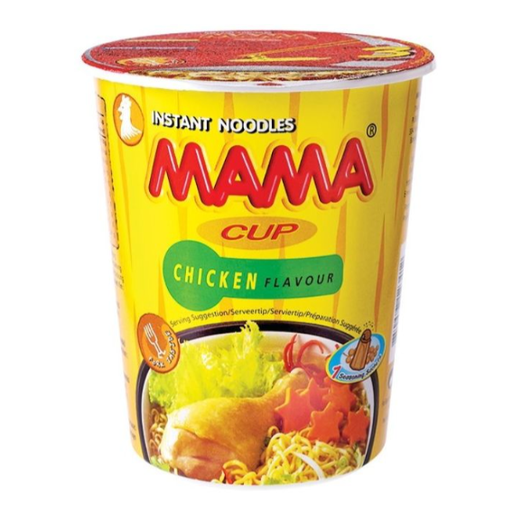
Why this fits the profile: A compact chicken variety from Thailand for anyone who wants to try a simple cup without buying a multipack straight away. According to the product information, it’s ready in three to five minutes with hot water.
The net weight of 70 grams makes the portion size clear upfront. The preparation steps and warning not to use the cup in the microwave are stated.
70 g per cup, chicken flavour, preparation time of three to five minutes and compact storage.
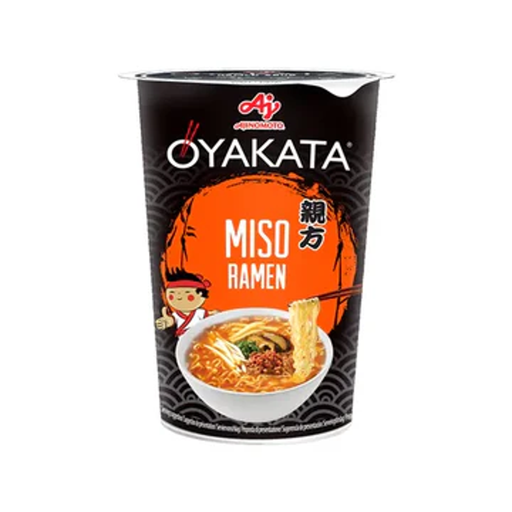
Why this fits the profile: For anyone looking for a clear Japanese miso flavour and a small portion for lunch or an evening snack.
The product information mentions the 66-gram cup size, the miso base and a preparation with hot water. Do check the current ingredients list on the packaging before purchase.
66 g per cup, miso seasoning, 410 kcal and 4.6 g salt per 100 g according to the product information provided.
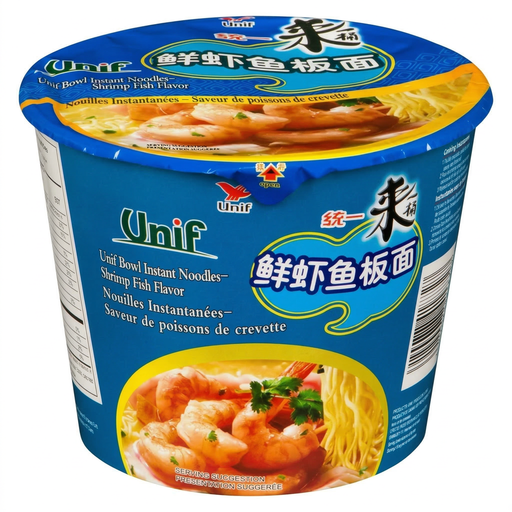
Why this fits the profile: The 108-gram bowl suits anyone looking for a larger portion and multiple flavour components, such as prawn, fish cake, vegetable and oil sachets.
The product description states the portion size, 500 ml of water and a preparation time of three to four minutes. The allergen list mentions shellfish, fish, soya, wheat and sesame, among others.
108 g bowl, multiple sachets and, according to the product information, at least 0.1 g of dried prawn and fish cake per serving.
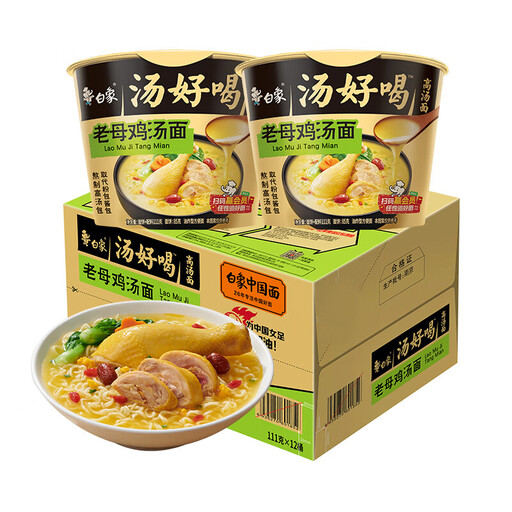
Why this fits the profile: A bulk pack of instant noodles with 12 cups for households, offices, student houses or business stock.
The box states the quantity of 12 cups and 107 grams per cup. This allows you to estimate the stock and portion size in advance.
12 individual cups, 107 g per cup, chicken soup style and a preparation method where you add boiling water and cover the cup.
We’ve put together a full, up-to-date list of products that fully meet these strict selection criteria and current European safety regulations.
Open the cup according to the instructions, add the seasoning or sauce when indicated and pour boiling water up to the fill line. Close the lid and wait, usually three to five minutes. Stir well and eat immediately. Do not use a microwave for a cup unless it is clearly stated on the packaging.
The shelf life varies per product and batch. Check the date on the packaging and store the noodles in a dry, cool place away from direct sunlight. It’s best to prepare and eat an opened pack straight away, especially when sauce or oil components have been added.
A multipack can be practical if you eat noodles regularly or need a stock for the office. Compare the price per cup or per 100 grams, because a larger box isn’t automatically better value. Also consider storage space, shelf life and whether everyone wants the same flavour.
