
Same-day & Next-day Delivery

Quality Guaranteed

Unlock Your Welcome Offers: FREE Delivery | Up to 80% OFF | Free 30-day JoyPlus trial
Download the APP
Instant noodles are ideal for a quick meal after lectures, during a busy working day or as a stock-up option for feeding several people. However, many packets look alike, even though preparation methods, portion sizes, heat levels and allergens can vary considerably. If you rely only on the front of the packaging, you could end up choosing a product that is too salty, too spicy, too small or unsuitable for the dish you have in mind.
As a Joybuy Product Recommendation Officer, I filter the most important product information in a practical way. This helps you compare Asian instant noodles based on verifiable details rather than marketing copy.
A bag or cup may look generously sized, but sometimes contains just 60 to 80 grams. Always check the net weight per portion as well as the total weight of a multipack. A box containing 30 sachets is useful for high-volume users, but less suitable if you want to try several flavours first.
Also look at the difference between a single pack and a noodle multipack. Some products clearly state the number of sachets, while other offers focus mainly on the total contents of the box.
Spicy noodles can range from a mild chilli flavour to a stock containing several sachets of oil and peppers. With Korean, Sichuan and Thai noodles, the intensity is also often determined by a separate sauce or chilli sachet.
Check whether you need to add the entire seasoning mix. With many products, you can start by using only some of the powder or oil, but always follow the preparation instructions on the packaging first.
For food products, the label on the actual packaging takes precedence. According to the seller, online product information may be incomplete or may differ from that on newer packaging. Before use, always check the ingredients, allergens, best-before date and preparation method.
This is particularly important with ramen noodles containing several flavour sachets. For example, a product may contain wheat, soya, sesame, fish, egg, milk or shellfish, or state that it may contain traces of them. If you have an allergy or are unsure, do not use the product until you have checked the current packaging.
Not every dried noodle is an instant product. Pay attention to these differences:
One example is the Bamboo Tree Rice Noodles 5 mm, made with rice, tapioca and water. These 400-gram rice noodles are intended as a base for your own dishes and are not supplied as a complete instant soup. Their preparation and use are therefore different from Indomie noodles or Nongshim Shin Ramyun.
For one person who occasionally wants a quick meal, a pack weighing 70 to 140 grams may be sufficient. Families, student households and catering users should compare the price per portion and the storage space required.
Examples of larger packs include:
A large pack does not automatically reduce the cost per portion. Also check the shelf life, whether you enjoy the flavour and whether the packaging can be sealed properly after opening.
Compare nutritional values per 100 grams when assessing different brands side by side. Some packs also show values per portion. Pay particular attention to energy, fat, carbohydrates, protein and salt. The values in the product information are specific to each product; always check the current label before buying and consuming it.
For example, the product information for standard Nongshim Shin Ramyun lists 422 kcal and 3,8 grams of salt per 100 grams. MAMA Shrimp Flavor is listed as containing 473 kcal and 5,9 grams of salt per 100 grams. This difference may be relevant if you are buying several portions to keep in stock.
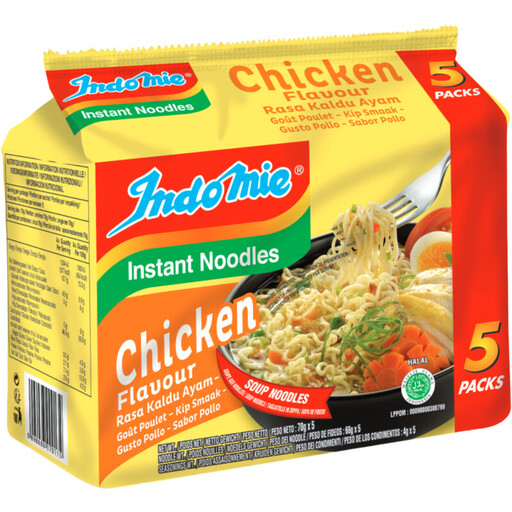
Why it suits this profile: A compact pack with five portions is a good way to try a flavour without ordering a large box straight away. Preparation is quick and the pack contains a chicken seasoning mix.
The number of portions and the weight are clearly stated in the product name. However, check the current label for wheat and the full ingredients list.
Five individual sachets, 70 grams per portion and simple preparation.
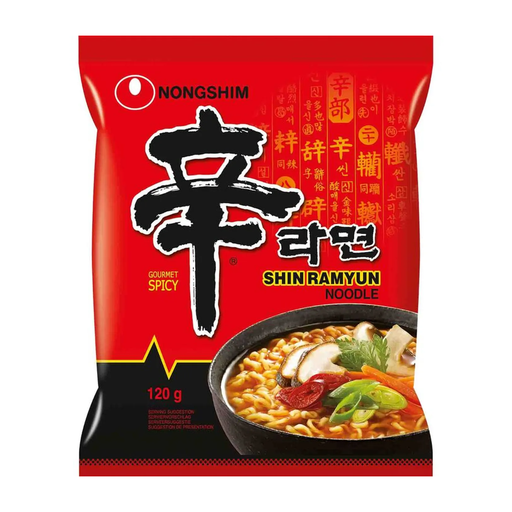
Why it suits this profile: These Korean noodles come with a stock containing mushroom, carrot, red chilli pepper and onion, among other ingredients. According to the product description, preparation takes approximately 4.5 minutes.
The flavour profile and preparation method are clearly described. Please note: the product information states that old and new packaging may be dispatched at random.
Korean-style stock, 120 grams per pack and a clearly stated cooking time.
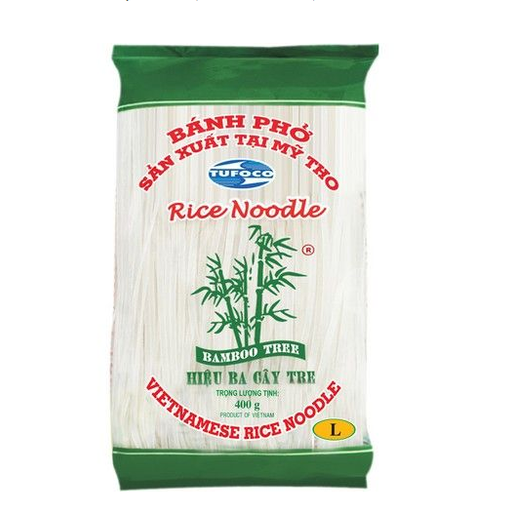
Why it suits this profile: These rice noodles are intended as a flexible base for your own Asian dishes. They are suitable for people who want to add their own stock, vegetables, tofu or meat.
The product name states the 5 mm size and the 400-gram weight. Do not expect a complete instant soup with a seasoning sachet.
Rice-based, versatile and, according to the product information, free from the 14 main EU allergens.
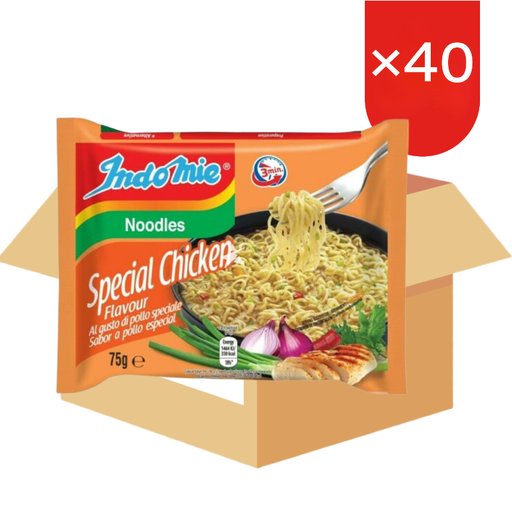
Why it suits this profile: The box contains 40 individual portions, making it practical for a household, shared cupboard or catering use.
The number of packs and the weight per sachet are clear from the outset. However, compare the price per portion and take wheat and possible traces of soya, milk and egg into account.
40 portions, chicken soup flavour and ideal for keeping a well-stocked cupboard.
We have compiled a complete, up-to-date list of products that fully meet these strict selection criteria and the applicable European safety regulations.
Always follow the amount of water and cooking time stated on the label. According to the product information, Nongshim Shin Ramyun takes approximately 4.5 minutes to prepare. Other products, such as Baijia wide noodles, need around five to six minutes of soaking and should then be drained before the sauce is added.
If you would like to make a simple meal more substantial, try adding spring onion, pak choi, mushrooms or a boiled egg. With dried Chinese noodles or rice noodles, you decide how much sauce and how many toppings to use. This allows you to adjust the flavour and texture without buying a larger pack.
The best-before date is stated on the packaging. Store unopened products in a cool, dry place away from direct sunlight. Do not use a pack if it is damaged. Once opened, seal any loose ingredients properly and follow the instructions on the label.
No. Chicken, beef, prawn, vegetable and plain varieties are available. Korean noodles and Sichuan-style noodles are more often spicy, while standard Chinese noodles and rice noodles are usually sold without a seasoned soup base. Check the flavour name and the number of sauce or chilli sachets.
Instant noodles usually contain a pre-cooked noodle block and seasoning, allowing you to prepare them quickly with boiling water or in a pan. Dried noodles, such as Sunlee Yellow Chinese Noodles, are mainly a base for soups or stir-fries. They offer more flexibility, but you need to add the sauce, stock and extra ingredients yourself.
