
Vandaag of morgen in huis

Kwaliteit gegarandeerd

Welkomstaanbiedingen ontgrendelen: GRATIS bezorging | Tot 80% korting | Gratis 30 dagen JoyPlus-proefperiode
Download de app
Buying iced tea seems simple until you have to choose between cans, a large bottle, sparkling tea, green iced tea, peach iced tea or a zero variant. Marketing copy often focuses on taste and refreshment, while important differences in sugar content, size and ease of storage are less obvious.
The following points will help consumers, families, offices and hospitality businesses make a more informed choice.
The terms sugar-free iced tea and zero iced tea generally refer to a drink containing no sugar or almost no sugar, but the sweeteners used may vary. Always check the nutritional information and ingredients list.
For example, Lipton Ice Tea Green Zero Can 330ml x 24 states 0 grams of sugar and 1 kcal per 100 ml. According to the product information, the flavour is created using, among other things, steviol glycosides and sucralose. This is different from ordinary green tea containing sugar or fructose syrup.
A low total price does not tell you much when comparing different sizes. Convert the price to price per litre or price per can. A multipack of iced tea containing 24 x 330 ml holds 7.92 litres. A 1.5-litre bottle of iced tea is more convenient at home, while cans may be more practical for an office, event or hospitality setting.
Also consider storage space. Four trays of iced tea cans take up space differently from several 1.5-litre bottles.
Not every iced tea contains carbon dioxide. Lipton Ice Tea Sparkling is a sparkling variety, while Lipton Ice Tea Lemon is described as still iced tea. Sparkling iced tea may be a better fit for drinks and parties, but if you want to serve it with a meal or take it on the go, a still variety may be the better choice.
For fruit varieties, check how much fruit juice has actually been added. Various product descriptions, for example, state that they contain 0.1% peach or lemon juice from concentrate. The main flavour may therefore also come from flavourings.
Always compare products on the same basis: per 100 ml. A 1.5-litre bottle may contain little sugar per glass, but drinking several glasses can quickly increase the total amount. With a 330 ml can, the serving size is more clearly defined.
Examples from the available product information:
These figures are product details and may change depending on the packaging or recipe. Always check the label when your order arrives.
330 ml cans are easy to hand out and do not need to be resealed after opening. A tray of 24 x 330 ml is suitable for offices, parties and hospitality use.
1.5-litre bottles are often more convenient for a family or shared table. Once opened, they should be stored in the fridge and used within the period stated on the packaging.
500 ml bottles combine portion control with convenience on the go. A multipack of 24 bottles may be suitable when each family member, employee or event guest is to receive their own bottle.
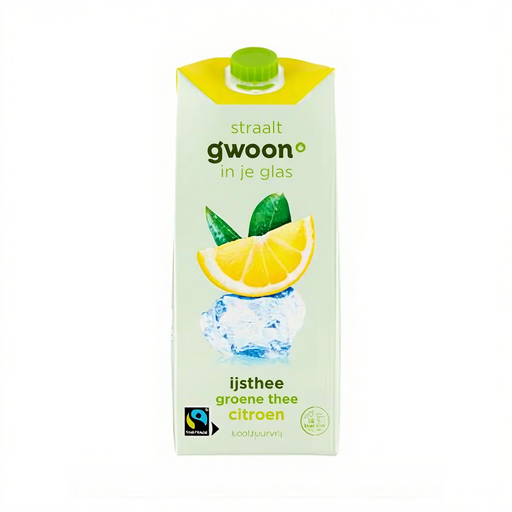
Why it suits this profile: The 1.5-litre bottle size is practical for home use and makes it easy to compare prices per litre. The combination of green tea and lemon offers a familiar, refreshing flavour profile.
The label states 2.21 grams of sugar per 100 ml, so you do not have to rely solely on the front of the packaging.
1.5-litre capacity; green tea with lemon flavour; according to the product information, free from the 14 major EU allergens.
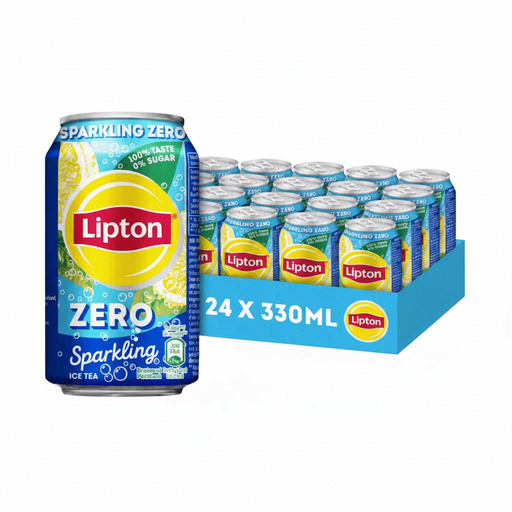
Why it suits this profile: If you want a consistent flavour and individual portions, this tray contains 24 cans of sparkling iced tea. The zero variant is suitable for people who want to avoid sugar.
The product is clearly presented as Sparkling Zero and, according to the product information, states 0% sugar. This makes the difference from regular Lipton Ice Tea clear.
24 cans of 330 ml; sparkling; according to the stated nutritional information, sugar-free and low in calories.
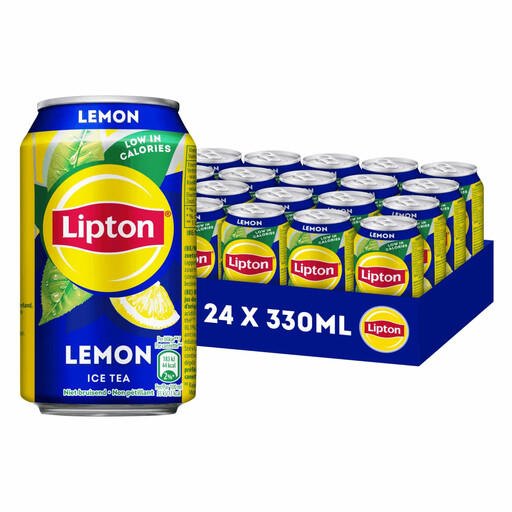
Why it suits this profile: A tray of still lemon iced tea is practical for regular use in the office, at catered events or during an event.
The product description explicitly states the format of 24 x 330 ml and the type of still lemon iced tea. This makes it easier to estimate your stock requirements in advance.
24 servings of 330 ml; lemon flavour; according to the product information, 13 kcal and 3 grams of sugar per 100 ml.
We have compiled a complete, up-to-date list of products that fully meet these strict selection criteria and the applicable European safety regulations.
Choose cans when you want to give guests individual portions without glasses or reusable bottles. 24 x 330 ml iced tea is a practical option. For a buffet or shared table, 1.5-litre bottles may offer better value per litre. Decide in advance whether you want to serve sparkling or still iced tea.
Not always. Check the nutritional information. A product marketed as zero may contain sweeteners and state 0 grams of sugar on the label. Other “low sugar” varieties still contain sugar. The exact composition varies from one product to another.
Store an opened iced tea bottle in the fridge, replace the cap securely and follow the storage period stated on the packaging. Unopened products should generally be kept in a cool, dry place, away from direct sunlight and heat sources. For cans, the rule is simple: consume immediately after opening or store in the fridge according to the instructions on the label.
