
Vandaag of morgen in huis

Kwaliteit gegarandeerd

Welkomstaanbiedingen ontgrendelen: GRATIS bezorging | Tot 80% korting | Gratis 30 dagen JoyPlus-proefperiode
Download de app
Whether you want to give your noodles a kick, transform your grilled cheese, or create a marinade with character, the right hot sauce makes all the difference. But the shelves are crowded. From thin, acidic pepper sauces to thick, savoury chili oils. How do you choose the bottle that suits your dish and palate, without falling for empty promises?
As a Product Recommendation Officer at Joybuy, I see daily how marketing can cloud your judgment. Let's avoid the most common pitfalls when buying hot sauce.
To avoid a bad purchase, focus on three concrete product features. These determine the sauce's texture, flavour profile, and application.
The base of the sauce determines how it behaves.
Heat is important, but so is the flavour of the pepper itself. A sauce made from fruity Habanero peppers tastes very different from one with smoky Chipotle peppers. The ingredient list tells you which peppers are used. If the pepper is listed first, its flavour and heat are dominant. Additions like garlic, sugar, fermented beans (as in Lao Gan Ma), or fruit determine the final character. If you're looking for an authentic Asian hot sauce, ingredients like soybeans, shrimp paste, or sesame oil are good indicators.
Texture adds an extra dimension to your dish. A smooth chili sauce blends seamlessly into a soup, while a chunky sambal or a crispy chili crisp provides an interesting mouthfeel. Consider what you want to use the sauce for. As a topping, you might want texture, whereas for a marinade, you'd look for a smooth sauce that penetrates well.
Below are some popular choices, matched to different preferences and use cases.
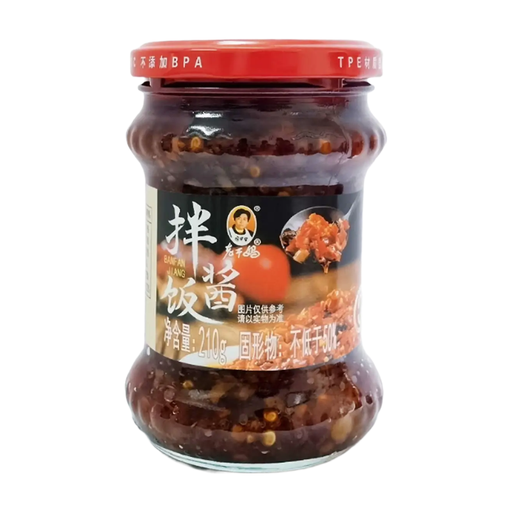
Why This Fits Their Persona: Ideal for those seeking more than just heat. This sauce adds a deep, savoury umami flavour and an addictive crunchy texture to noodles, rice, eggs, and dumplings. An icon in Chinese cuisine.
This is the opposite of a one-dimensional hot sauce. The focus is on the complex flavour of fermented soybeans and the crispy texture, not on sheer heat.
Instantly adds savoury flavour (umami) and a crunchy texture. Extremely versatile as a topping for countless Asian and Western dishes.
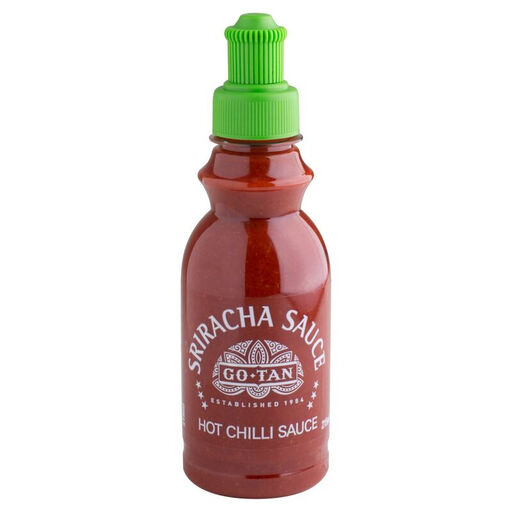
Why This Fits Their Persona: For those looking for a reliable, versatile sauce that isn't too extreme. The balance of spicy, sweet, and garlic makes this sriracha suitable for everything from soups and sandwiches to dipping sauces.
This sauce avoids the "one-size-fits-all" pitfall by offering a specific and recognisable flavour profile that works well in many, but not all, contexts. It's a clear choice for an all-purpose, paste-like sauce.
Balanced flavour that doesn't overwhelm. The thick texture clings well to food, making it an excellent dipping sauce and condiment.
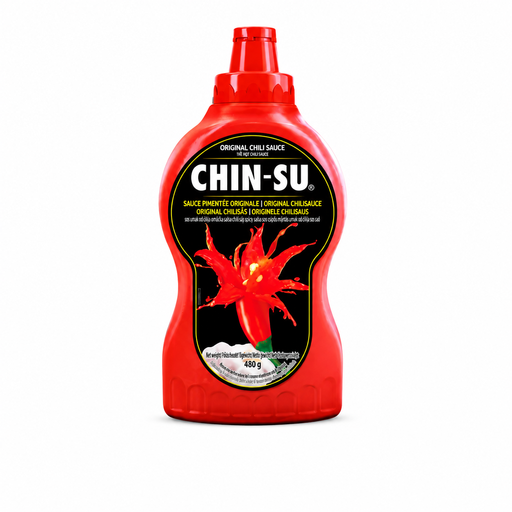
Why This Fits Their Persona: For the home cook who wants to experience the authentic taste of Vietnamese cuisine. This sauce is the standard for Vietnamese street food, perfect for ph?, spring rolls, and Banh Mi.
This is not a generic "Asian chili sauce." Its unique, velvety texture from the addition of sweet potato and the specific sweet-spicy balance make it an unmistakably Vietnamese product.
Perfectly balanced heat that enhances the dish's flavour without overpowering it. The unique, thicker consistency clings beautifully to food, ideal for dipping.
We have compiled a complete, up-to-date list of products that fully meet these strict selection criteria and local regulations.
Although the terms are often used interchangeably, there are differences.
Most hot sauces, especially those with high acidity (vinegar), are shelf-stable for a long time. However, to preserve flavour and colour, it is recommended to store the bottle in the refrigerator after opening. This is particularly true for sauces with more fresh ingredients or oils, like chili crisp. Always consult the label for specific storage instructions.
Not quite. Lao Gan Ma is a brand known for its chili crisp, which is a specific type of chili oil. Chili oil is the base: oil infused with chili peppers for flavour and heat. Chili crisp adds an extra element: crunchy bits, such as fried soybeans, peanuts, onion, or garlic. This provides a richer, savoury flavour and an interesting texture.
