
Vandaag of morgen in huis

Kwaliteit gegarandeerd

Welkomstaanbiedingen ontgrendelen: GRATIS bezorging | Tot 80% korting | Gratis 30 dagen JoyPlus-proefperiode
Download de app
A hot sauce can add more flavour to a simple meal, but not every bottle or jar suits every dish. Some products are mainly sour from vinegar, while others are sweet, fermented, savoury or oily. The packaging can also be misleading: a small bottle might look like a bargain, yet you end up paying relatively more per serving.
So when buying hot sauce, don’t just focus on words like “extra spicy” or “authentic”. The ingredients list, allergen information, net weight and storage instructions usually give you a much clearer picture of what you’re actually buying.
A spicy sauce isn’t automatically complex or suitable for every dish. A sauce with a lot of vinegar, for example, works well with pizza, snacks and fried foods, but can overpower a mild noodle soup. A sambal made with onion, garlic, sugar and spices behaves very differently from a thin, vinegar-based hot sauce.
So look at the type of product:
A 200g jar might seem cheaper than a 60ml bottle, but the amount you use varies hugely. According to the product information, Tabasco, for instance, is used in small quantities, whereas gochujang is often used as a marinade, sauce base or flavour enhancer in a dish.
So compare the net weight and the intended use. For daily cooking, a larger jar can be more economical. For occasional use, a compact bottle may be more practical.
Not every hot sauce is just chillies and vinegar. Different varieties can contain soya, wheat, gluten, celery, peanuts, sesame or shellfish, among other things.
Examples from product specifications:
Always check the packaging. Product information online can change and is not intended as a substitute for the current label.
The order of ingredients shows which components are most abundant in the product. A hot chilli paste with a high proportion of chillies has a different character from a sauce where sugar, oil or tomato comes first.
Look out for these features:
A runny chilli sauce is handy for pizza, burgers, snacks, soup and marinades. A thick sambal or gochujang clings better to meat, tofu or vegetables. An oily Chinese chilli sauce, on the other hand, works well as a sauce for rice and noodles.
Think about how you’ll use it:
Check the stated net weight: millilitres for liquid sauces and grams for pastes, sambals and chilli oil. Store unopened products according to the label, usually in a cool, dry place away from direct sunlight. Once opened, the packaging must be sealed tightly. Some products need to be refrigerated after opening; follow the instructions on the packaging.
The following choices are based on verifiable information from the available product descriptions, such as ingredients, net weight, allergens and suggested use.
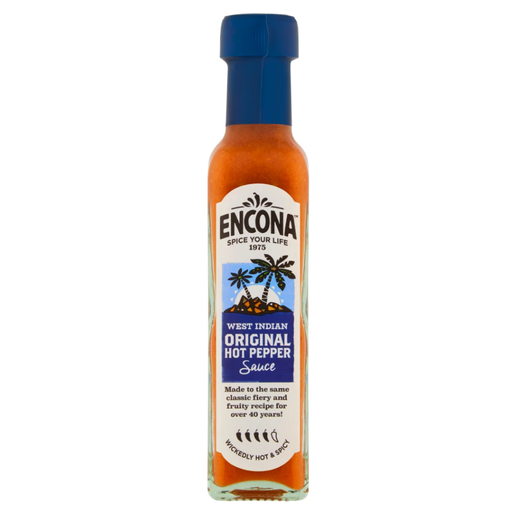
Why this fits the profile: A runny chilli sauce in a straightforward bottle for anyone who wants to quickly add extra heat to pizza, soup, meat or dips.
The product description mentions a smooth, pourable texture and an ingredients list of cayenne peppers, vinegar, water and salt.
142 ml net weight; according to the product information, free from the 14 major EU allergens.
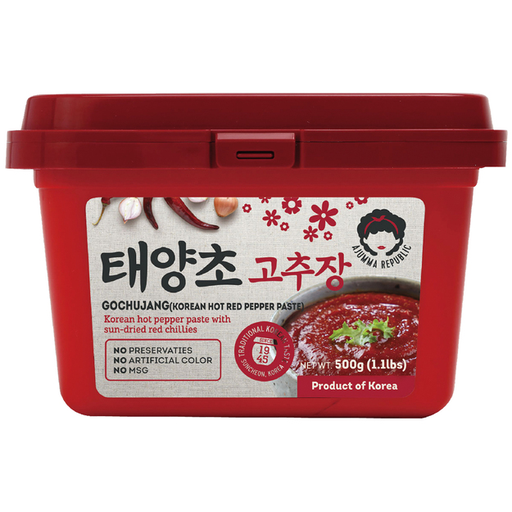
Why this fits the profile: Ideal for home cooks looking for Korean flavour in soups, stews, marinades, dips and stir-fries.
The product information highlights its use as a flavour enhancer, marinade, dip and stir-fry base, rather than just a heat claim.
500g net weight; according to the label, contains wheat and gluten, which requires clear allergen checking.
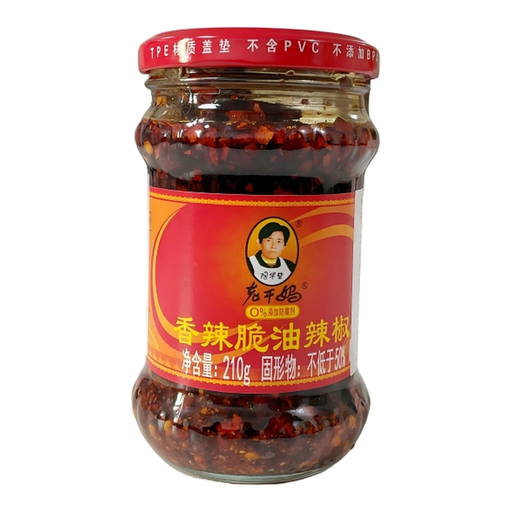
Why this fits the profile: For those who regularly eat rice, noodles, dumplings, stir-fries or hotpot and want texture as well as heat.
The product description explicitly mentions chilli, peanuts, black beans and crispy bits. This is not a smooth drizzle sauce.
210g; can be mixed straight into rice or noodles; contains peanut, soya, sesame and wheat.
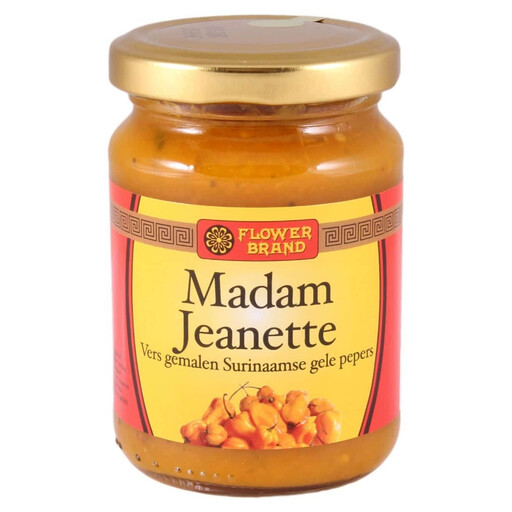
Why this fits the profile: A targeted choice for fans of Madam Jeanette sambal with rice tables, meat, vegetables and Surinamese dishes.
The ingredients list states 92% Madam Jeanette, salt and acidity regulators. This makes the flavour profile clear at a glance.
200g; according to the product information, free from the 14 major EU allergens.
We’ve put together a full, up-to-date list of products that fully meet these strict selection criteria and comply with current European safety regulations.
For rice and noodles, you can choose from several styles. Gochujang gives a thick, sweet-savoury base for marinades and stir-fries. Lao Gan Ma is oily and, according to the product information, contains crispy components. A sambal, such as sambal badjak or Madam Jeanette sambal, works well as a side dish or flavour enhancer alongside a rice table.
This varies by product. Check the shelf-life information on the packaging and follow the storage instructions. Keep the bottle or jar tightly sealed and look out for any instructions to refrigerate after opening. Do not use any packaging that is damaged or whose contents smell or look unusual.
Always read the current ingredients and allergen declaration. Pay particular attention to soya, wheat, gluten, peanuts, sesame, celery and shellfish. If in doubt, the current label is the deciding factor. “Spicy sauce” or “natural ingredients” on its own says nothing about the presence of allergens.
