
Vandaag of morgen in huis

Kwaliteit gegarandeerd

Welkomstaanbiedingen ontgrendelen: GRATIS bezorging | Tot 80% korting | Gratis 30 dagen JoyPlus-proefperiode
Download de app
A hoodie may seem simple to choose, but small differences in material, fit and sizing can determine whether you wear it often or leave it in the wardrobe after a few washes. If you want to buy hoodies online, you’ll also find plenty of similar styles with different descriptions and price points.
So, look out for these three common pitfalls:
A cotton hoodie often feels soft and natural. However, cotton can take longer to dry after washing. Polyester in a cotton blend can affect how well the garment keeps its shape and how easy it is to care for. So don’t just look for descriptions such as “soft” or “comfortable”; check the exact fabric composition.
Examples from the range:
A higher fabric weight usually means a heavier garment, but it doesn’t by itself tell you how long a hoodie will last. Seams, cuffs and care instructions matter too.
Don’t choose a women’s hoodie, men’s hoodie or children’s hoodie based only on whether it’s labelled S, M or L. Sizes vary between brands and styles. If possible, measure your chest and waist and compare them with the size guide.
Also look out for:
For children’s styles, the height guidance is especially important. For example, the Tommy Hilfiger Essential Hoodie Kids uses EU sizes based on height, such as 98, 104, 110 and 116.
Check the care label before you order. If you wear a hoodie often, make sure it suits your laundry routine. Some styles can be tumble dried on a low heat, while others are better left to air dry.
Always follow the label on the product. Product information may include general washing advice, but the instructions on the garment’s care label should take priority. It’s best to wash dark colours, such as a black hoodie, with similar colours. Turn a hoodie with a logo inside out to help protect the print or embroidery.
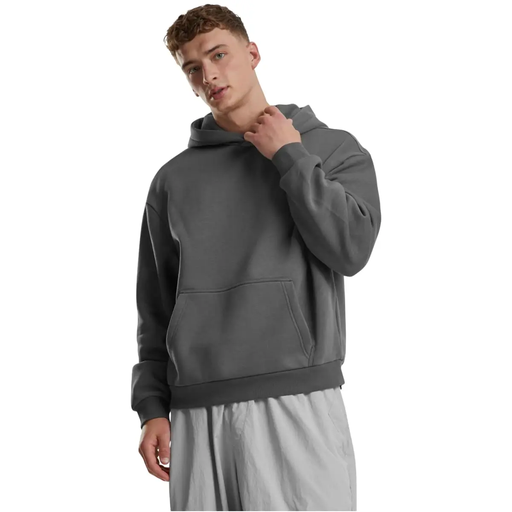
Why it suits this profile: The relaxed fit and practical hood make this style suitable for everyday wear, at home or on the go. The cotton blend is clearly specified.
The fabric composition is clearly stated: 70% cotton and 30% polyester. So you don’t have to rely solely on general descriptions such as “soft”.
Relaxed fit, ribbed cuffs and hem, hood and cotton blend; suitable for casual outfits and streetwear.
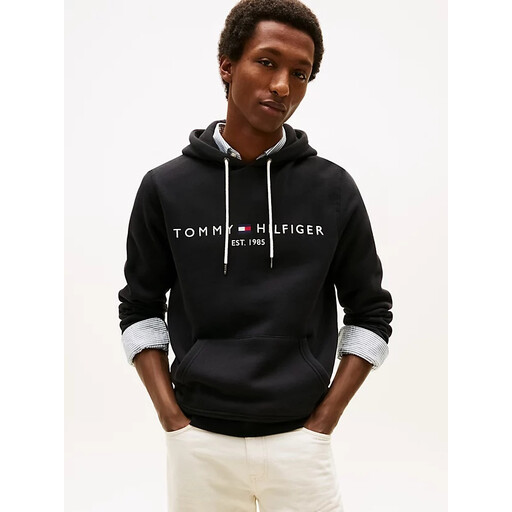
Why it suits this profile: If you’re looking for a branded hoodie with well-defined details, this style features a regular fit, embroidered logo, adjustable hood and kangaroo pocket.
The fit isn’t just described as modern: the product details specify a regular fit and slightly dropped shoulders. The fabric is made from 72% cotton and 28% polyester.
Cotton blend, embroidered chest logo, kangaroo pocket and ribbed cuffs and hem; works as an everyday layer or under a coat.
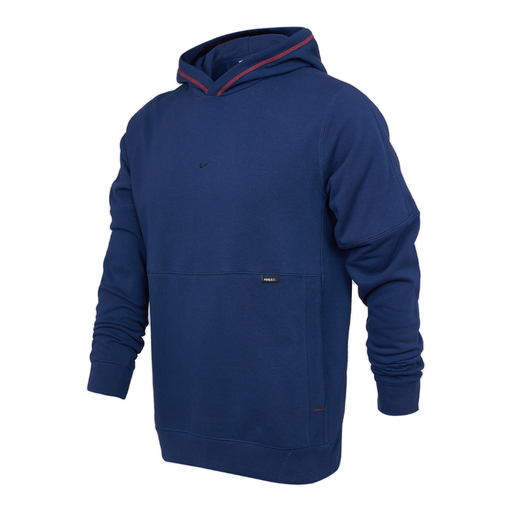
Why it suits this profile: The loose fit and fleece fabric make this style suitable for casual wear, layering and light training. The adjustable hood provides extra coverage.
The product details specify fleece, a loose fit and ribbed cuffs and hem, rather than making only a general claim about comfort. Check the care label for the exact composition and instructions.
Fleece, loose fit, adjustable hood and subtle Nike FC logo; according to the product information, a minimum two-year legal guarantee applies under EU consumer law.
We’ve put together a complete, up-to-date list of products that meet these strict selection criteria and the applicable European safety regulations.
For changeable days, choose a cotton-blend or fleece hoodie that’s easy to wear under a coat. A heavyweight style, such as an ultra-heavy hoodie, is especially practical in colder temperatures. A lighter cotton style may be more comfortable indoors or in mild weather.
Check the care label, wash at the recommended temperature and don’t use a higher tumble-drying temperature than instructed. Air dry your hoodie if the manufacturer recommends it. Check the fabric composition too: cotton may react differently from a cotton-polyester blend.
Measure your chest and waist, then compare the measurements with the size guide for that specific style. For an oversized hoodie, check the shoulder width and sleeve length too. For children, height in centimetres is often a more useful guide than age alone.
