
Vandaag of morgen in huis

Kwaliteit gegarandeerd

Welkomstaanbiedingen ontgrendelen: GRATIS bezorging | Tot 80% korting | Gratis 30 dagen JoyPlus-proefperiode
Download de app
Buying a helmet seems simple until you see the options. Dozens of models, various certification marks, and a maze of technical jargon. It's easy to get lost in marketing promises and end up with a helmet that doesn't fit properly, isn't suitable for your activity, or is simply unsafe. Before you make a decision, it's important to recognise a few common pitfalls.
Many buyers fall into the "one-size-fits-all" trap, choosing a generic helmet not designed for their specific sport. Another mistake is ignoring safety certifications, often tempted by a low price. Finally, many pay for expensive, hyped-up features they don't actually need for their use case. This guide will help you avoid these mistakes and make an informed choice.
To avoid a bad purchase, there are a few non-negotiable specifications you must check. These determine safety and comfort, regardless of the brand or price.
A helmet is your most important piece of protection. Without the right certification, you are essentially buying a plastic shell with no proven protective value. Look for the following standards:
A helmet that doesn't fit well can shift during a fall, offering insufficient protection. The right size is crucial. Measure the circumference of your head at its widest point, about 2 cm above your eyebrows. Compare this with the manufacturer's size chart. A good helmet for men or women should feel snug but comfortable, without creating pressure points. It should not shift forward, backward, or sideways when you shake your head. Modern helmets often have a dial at the back for precise adjustment.
Not every helmet is suitable for every sport. The differences in design are directly related to the risks of the activity:
Based on the criteria above, we have selected a number of products that suit different user profiles.

Why This Fits Their Persona: Perfect for those who switch between skating in the park and cycling through the city. This helmet combines the durability of a skate helmet with the ventilation needed for comfortable bike rides, without you having to buy two separate helmets.
This helmet is specifically designed as a multi-sport model, avoiding the 'wrong helmet for the wrong sport' pitfall. It has the required EN 1078 certification, so you are buying verified baseline safety.
Reinforced ABS shell for durability and a dual adjustment system (dial and chin strap) for a secure fit. Comes with two removable liners of different thicknesses.
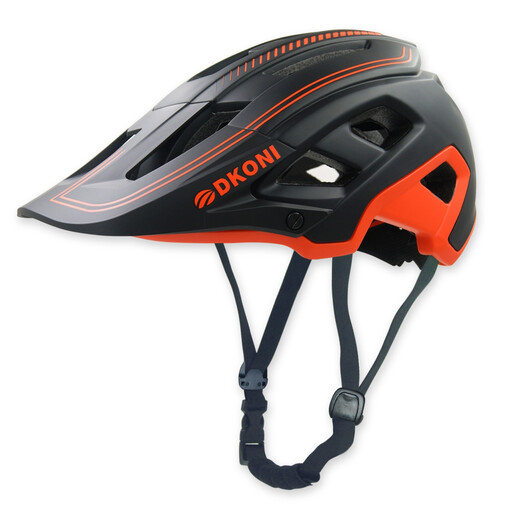
Why This Fits Their Persona: For those who regularly tackle unpaved trails and need more than a standard bicycle helmet. This helmet is designed for the specific demands of mountain biking, with a focus on protection and comfort during long, tough rides.
Instead of a generic bike helmet, this MTB model offers extra coverage on the back and sides of the head. The large visor is a functional addition, not a marketing gimmick.
Lightweight design (380 grams) with 17 vents for excellent airflow. The detachable visor protects against sun, mud, and branches. Meets both European and American safety standards.
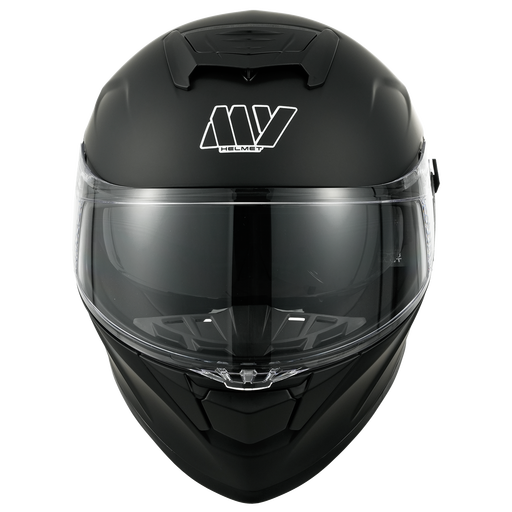
Why This Fits Their Persona: For the daily commuter or touring rider who makes no compromises on safety. This full-face helmet offers complete facial protection and meets the latest, most stringent European standard.
This helmet meets the strict ECE 22.06 standard. You're not paying for marketing, but for a verifiable, up-to-date safety standard. This is the most direct way to avoid the pitfall of unsafe, uncertified helmets.
Practical for daily use thanks to the integrated sun visor for sunny days and a removable, washable inner lining for hygiene. The shell is made of ABS with a shock-absorbing EPS inner layer.
We have compiled a complete, up-to-date list of products that fully meet these selection criteria and safety regulations.
Measure the circumference of your head with a flexible measuring tape, about 2 centimetres above your eyebrows and ears. The helmet should be snug enough that it doesn't move when you shake your head, but it shouldn't cause any pressure points. Always consult the size chart of the specific helmet you want to buy, as sizes can vary between brands.
Replace your helmet immediately after a hard fall or impact, even if there is no visible damage. The internal shock-absorbing structure (usually EPS foam) can be compressed and will no longer offer full protection in a subsequent impact. Additionally, it is recommended to replace a helmet every 3 to 5 years, as materials like glue and foam lose their protective properties over time due to sweat, UV light, and temperature changes.
Not necessarily. The baseline safety is determined by the safety certificate (such as EN 1078 or ECE 22.06). Any helmet with the correct certification offers a proven minimum level of protection. A higher price often translates to extra comfort (lighter weight, better ventilation), more advanced technology (such as a MIPS helmet), aerodynamics, or a higher-quality finish. A cheap, certified helmet is always safer than an expensive helmet without certification.
