
Vandaag of morgen in huis

Kwaliteit gegarandeerd

Welkomstaanbiedingen ontgrendelen: GRATIS bezorging | Tot 80% korting | Gratis 30 dagen JoyPlus-proefperiode
Download de app
Buying a helmet can be a daunting task. Whether you're riding a motorcycle, scooter, bicycle, or e-scooter, safety comes first. But with so many types, certifications, and fits, it's hard to determine which helmet is truly right for you. As a Joybuy Product Recommendation Officer, I'm here to help. This article provides practical, no-nonsense advice to help you make an informed choice.
Before you make a decision, there are a few key points to consider. These will help you find a helmet that is not only safe but also comfortable during your rides.
Not every helmet is suitable for every activity. The construction and level of protection are tailored to specific risks.
For motorcycle and scooter helmets, a safety certification is mandatory. The most recent and stringent standard in Europe is ECE 22.06. An ECE-approved helmet with this label has been tested on 18 different impact points, compared to the 6 points of the older 22.05 standard. This signifies a considerably higher safety standard. Always check the label on the chin strap or inside the helmet.
A helmet that doesn't fit properly won't provide optimal protection. Measure the circumference of your head at its widest point (about 2 cm above your eyebrows) with a measuring tape. Compare this measurement in centimetres to the manufacturer's size chart. A good helmet should feel snug but not tight. Also, look for features like a removable and washable liner, an effective ventilation system, and the weight of the helmet.
Based on product specifications and functionality, we have highlighted some popular choices for different users.
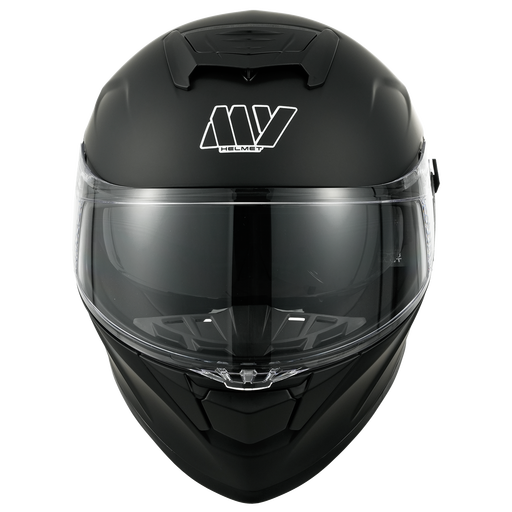
Why It Stands Out: This full-face helmet combines a high safety standard with practical features. The helmet is approved according to the strict ECE R 22.06 standard, providing peace of mind on the road. The outer shell is made of Acrylonitrile Butadiene Styrene (ABS), a robust material.
Key Features:
Who It's For: This helmet is a solid choice for the adult motorcycle or scooter rider looking for a complete and safe helmet for daily use and longer tours.
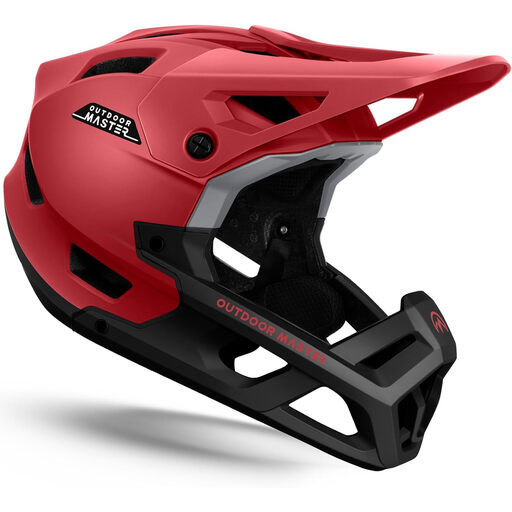
Why It Stands Out: This mountain bike helmet is designed for those who push the limits. The combination of an ABS outer shell and an EPP inner lining is focused on impact absorption. What's immediately noticeable is its light weight (under 750 grams) and focus on ventilation.
Key Features:
Who It's For: Ideal for the serious mountain biker seeking maximum protection and ventilation for demanding trails and bike parks.
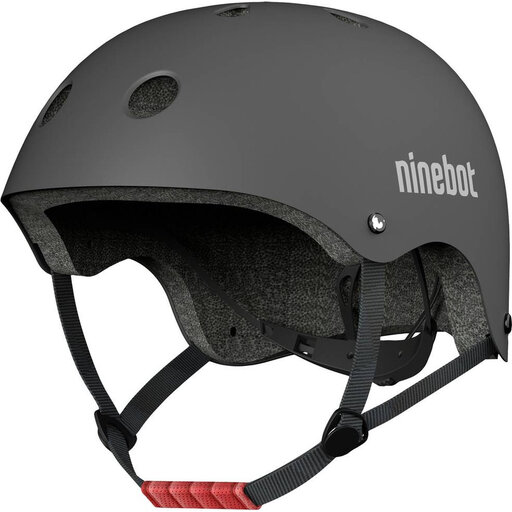
Why It Stands Out: This helmet from Segway-Ninebot is a practical and stylish choice for urban mobility. It's lightweight (only 350 grams) and easy to adjust for a snug fit, thanks to the adjustable dial on the back.
Key Features:
Who It's For: Perfect for the daily user of an e-scooter, (electric) bike, or skateboard who wants a light, comfortable, and easily adjustable helmet.
The options mentioned above are just a sample of what's available. Are you specifically looking for a helmet for your scooter? There are many different styles, from jet helmets to modular helmets. Explore our extensive range and find the scooter helmet that perfectly matches your needs and riding style.
The right size is essential for both safety and comfort. Take a flexible measuring tape and measure the circumference of your head. Place the tape about 2 centimetres above your eyebrows and ears, at the widest part of your head. The number of centimetres you measure corresponds to the helmet size. Manufacturers almost always list this size (e.g., 57-58 cm for size M) in the product information.
In the Netherlands, an approved helmet is mandatory for riders of a speed pedelec (which provides assistance up to 45 km/h). For a standard electric bike with pedal assistance up to 25 km/h, a helmet is not legally required, but it is strongly recommended for your own safety.
The general guideline is to replace a helmet immediately after a fall or a hard impact, even if there is no visible damage. The internal structure can be compromised, reducing its protective capabilities. Additionally, most manufacturers recommend replacing a helmet every 3 to 5 years. Materials like the foam liner and plastic shell can lose their strength over time due to external factors (such as UV radiation).
