
Vandaag of morgen in huis

Kwaliteit gegarandeerd

Welkomstaanbiedingen ontgrendelen: GRATIS bezorging | Tot 80% korting | Gratis 30 dagen JoyPlus-proefperiode
Download de app
Buying healthy rice might seem straightforward, but the range varies considerably in grain, preparation, packaging and nutritional value. Brown rice, wholegrain rice, red rice and black rice each have a different texture and purpose. Terms like “premium”, “rich in nutrients” and “superfood” don’t tell you much about what actually suits your diet.
With these practical checks, you can avoid a bad purchase and choose rice for everyday meals, Asian dishes or meal prep based on verifiable product information.
Red and black rice stand out for their natural colour, but colour alone doesn’t tell you everything about nutritional value or preparation. Always check the ingredients list and the nutrition table. A product with a single type of rice as an ingredient is clearer than a blend where the proportions aren’t specified.
Brown rice and wholegrain rice retain the bran layer, which generally gives them a firmer bite and longer cooking time than white rice. However, the exact nutritional values vary from product to product. So look at fibre, protein, carbohydrates and salt per 100g rather than just the front of the packet.
A 10kg bag might be appealing for a large household, but only if you use the rice regularly and can store it properly. If you use it less often, a 1kg pack is usually more practical. Once opened, rice needs to be stored in a cool, dry, dark place in an airtight container. Also check the best-before date and the condition of the packaging.
The grain determines how the rice feels and which dish it suits.
Always compare products on the same basis. Values vary across the range. For example, Royal Thai Brown Cargo Rice lists 358 kcal, 3.3g fat, 74g carbohydrates and 7.1g protein per 100g. Royal Tiger Riceberry Rice lists 346 kcal, 2.3g fat, 72g carbohydrates, 4.1g fibre and 7.8g protein per 100g.
These figures show why a nutrition table is more important than a general claim on the packaging. Pay particular attention to:
Wholegrain rice often needs more time and water than white rice. Product information for red rice, for example, suggests a ratio of roughly 1 part rice to 2 parts water and a cooking time of 20 to 30 minutes. For Riceberry rice, some products recommend 1 part rice to 1.5 to 2.5 parts water and around 30 to 40 minutes of preparation.
Always follow the instructions on the packet. Rinsing can help remove loose particles and excess starch. Leave the rice to rest for a few minutes after cooking if the packaging advises it.
For meal prep, food safety is especially important: don’t leave cooked rice at room temperature for long. Cool leftovers quickly, store them in the fridge and reheat them thoroughly before eating.
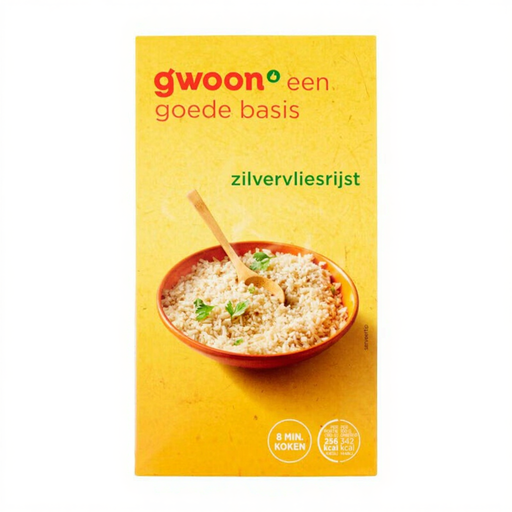
Why this fits the profile: The 400g pack is handy for trying brown rice without committing to a large quantity.
The small pack limits waste and makes it easier to assess the preparation and flavour.
Ingredient: brown rice. The product information states 6.2g of fibre per 100g.
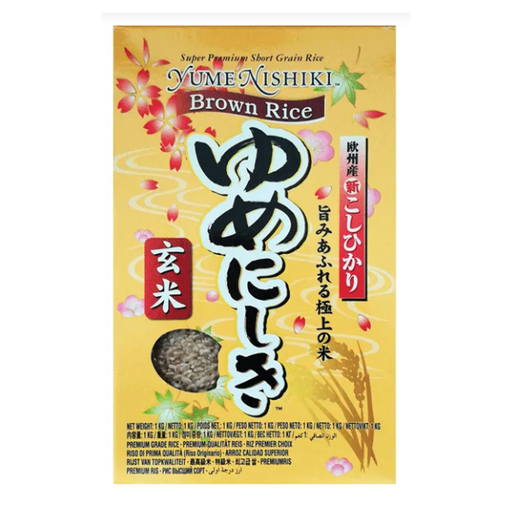
Why this fits the profile: A Japanese brown rice in a 1kg pack for anyone looking for a firm base for rice bowls and everyday meals.
The product page lists the rice type and nutritional values, so you don’t have to rely on marketing language alone.
1kg pack, none of the 14 major EU allergens listed, and 72g carbohydrates per 100g.
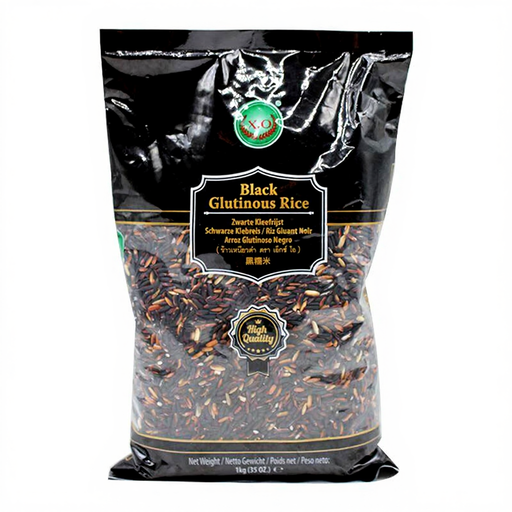
Why this fits the profile: The sticky texture is designed for Asian desserts, rice pudding and recipes where ordinary wholegrain rice won’t give the same result.
The product description explicitly mentions the sticky texture and uses, so you won’t accidentally buy this rice for loose grains.
1kg pack, ingredient: black glutinous rice, with 3g of fibre per 100g according to the product information.
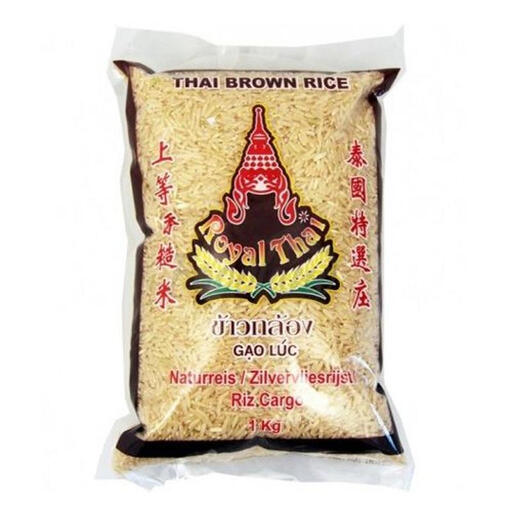
Why this fits the profile: This 1kg wholegrain rice is suitable for stir-fries, curries, salads and portions for several days.
The ingredients list states 100% brown rice and the storage advice makes it clear how to keep the opened bag.
100% wholegrain brown rice, 1kg pack and per 100g: 3.3g fat and 7.1g protein according to the product table.
We’ve put together a full, up-to-date list of products that fully meet these strict selection criteria and current European safety regulations.
In the UK, these terms are often used for similar wholegrain rice. Check the ingredients list and nutritional values on the packaging. The cooking time, grain and amount of fibre can vary between brands and types.
Brown rice, red rice and Riceberry rice are often practical for rice bowls and salads because of their firm bite. Choose a product with clear cooking instructions and cool cooked rice quickly. Store portions in an airtight container in the fridge and follow the storage advice on the packaging.
It can be, but the texture is different from Thai jasmine rice or ordinary brown rice. Black glutinous rice becomes sticky and is therefore mainly suited to desserts and specific Asian recipes. For a loose base with curry, brown jasmine rice or another non-sticky rice is usually a better choice.
