
Vandaag of morgen in huis

Kwaliteit gegarandeerd

Welkomstaanbiedingen ontgrendelen: GRATIS bezorging | Tot 80% korting | Gratis 30 dagen JoyPlus-proefperiode
Download de app
Buying headphones seems simple until you have to choose between wireless headphones, a wired model, in-ear earphones or a gaming headset. Marketing terms such as “spatial audio”, “noise cancelling” and “long battery life” sound appealing, but they don’t always tell you enough about how a product will perform day to day.
The most important question, then, isn’t which headphones have the most features, but which features suit your needs. Do you mainly listen on the go, work from home, make lots of calls or want headphones for PS5? Choosing carefully helps you avoid paying for features you’ll hardly ever use.
Bluetooth headphones give you freedom to move, but they run on a battery. Check the stated battery life and charging time, and see whether the headphones have a quick-charge feature. A model that also works with a cable will still be useful when the battery runs out.
According to the product specifications, the Intenso O400HA offers up to 75 hours of battery life, a USB-C port and a 3.5mm cable for passive listening. Actual battery life may vary depending on volume, connection and the features you have switched on.
Noise-cancelling headphones use active noise cancellation to reduce background noise. That doesn’t mean every sound disappears. Low, constant sounds such as train or aeroplane noise are generally different from voices or sudden noises.
Check for a transparency mode, too. This lets you hear the sounds around you. It can be useful when you’re out for a walk or want to remain approachable in the office. According to the product information, the Intenso O400HA offers a hybrid ANC mode with a claimed reduction of up to 35 dB, as well as a transparency mode. This figure comes from the product description and doesn’t guarantee the same experience in every environment.
Over-ear headphones enclose your ears and can be comfortable during longer listening sessions. However, comfort depends on a combination of factors, including size, weight, headband pressure and ear cushion material. A 248-gram model may suit one person, while someone else may find a lighter on-ear model more comfortable.
When buying headphones, also check whether they’re adjustable and foldable, and look at the size of the ear cups. If you travel every day, a fixed cable or sharp hinge points may also become a nuisance.
Wireless headphones with Bluetooth are handy for smartphones, tablets and laptops. Check the Bluetooth version beforehand and make sure your device supports the connection you need. Bluetooth headphones won’t necessarily work with every gaming platform: consoles may require a 3.5mm connection, a USB dongle or specific compatibility.
Wired headphones don’t need a battery and can be a straightforward choice for calls, music and gaming. Check the connector:
Also check whether your device has a single combined headset socket or separate sockets for the microphone and audio. You may need a splitter in some cases.
If you regularly make calls or play games, you’ll need more than just speakers. Check the microphone’s position, whether there’s a mute control and whether the microphone can be removed.
According to the product description, the Logitech H150 has an adjustable microphone with noise cancellation and connects via a 3.5mm socket. The Trust GXT 489W Fayzo and Trust GXT 498W Forta have detachable microphones. The microphone on the Trust GXT 415 Zirox folds away, but can’t be removed.
A larger driver doesn’t automatically mean the sound will suit you better. The stated frequency response, sensitivity and number of drivers provide technical information, but don’t fully describe how music or speech will sound to you.
For everyday use, these points are often more practical:
Also pay attention to the manufacturer’s warnings. Listening at high volume for long periods can damage your hearing. Take regular breaks and keep the volume at a safe level.
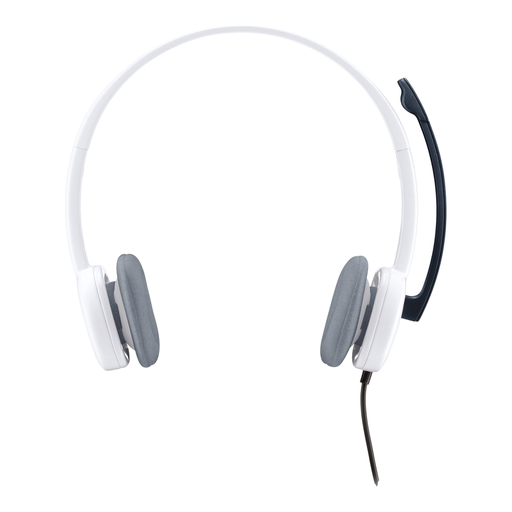
Why it suits this user: A straightforward wired headset for calls, music and multimedia on a computer, tablet or smartphone with a compatible socket.
No battery or Bluetooth pairing required. The fixed cable and simple controls help reduce the risk of compatibility problems.
3.5mm connection, adjustable microphone and stated weight of 80 grams.

Why it suits this user: For listeners looking for wireless over-ear headphones with active noise cancellation and a wired option.
As well as Bluetooth 5.4, the product information lists a detachable cable with USB-C and jack connections. This means the battery isn’t the only way to use the headphones.
Bluetooth 5.4, active noise cancelling and a stated charging time of 180 minutes.
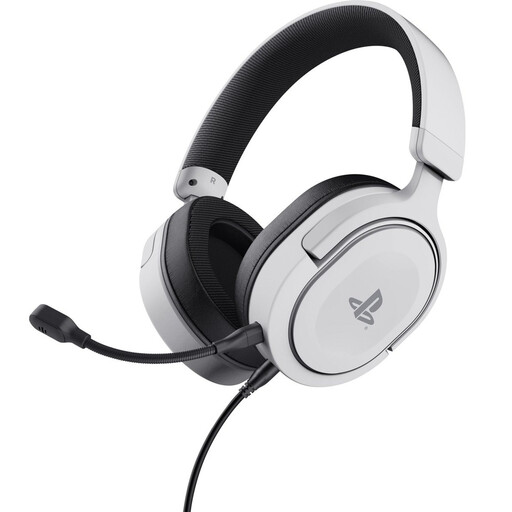
Why it suits this user: Designed for people looking for headphones for PS5, with a microphone, 3.5mm connection and over-ear fit.
The wired connection means there’s no need to charge it, and it’s officially licensed for PS5 and PS4. This model uses stereo audio, so don’t expect true surround sound.
50mm drivers, detachable microphone, 1.2-metre cable and a stated weight of 253 grams.
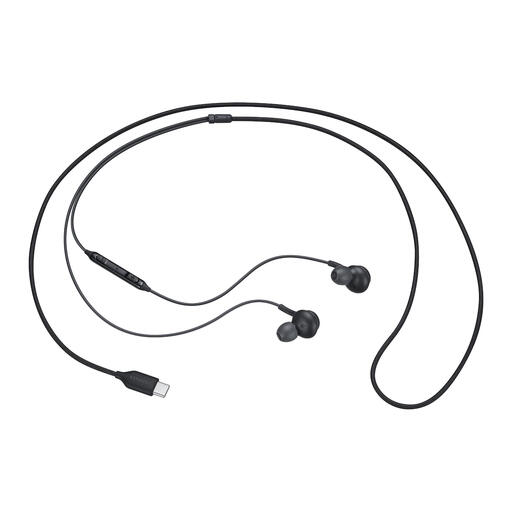
Why it suits this user: Compact in-ear earphones for USB-C devices, with controls and a microphone for music and calls.
No flat battery or Bluetooth pairing: these earphones use a wired USB-C connection. Check that your device supports audio over USB-C.
USB-C connection, integrated microphone, button controls and a stated weight of 18.35 grams.
We’ve put together a full, up-to-date list of products that meet these strict selection criteria and the current European safety requirements.
That depends on the microphone, Bluetooth support and the settings on your smartphone or computer. Check whether the model has a built-in microphone and whether you can adjust the call volume separately. If you make lots of calls, headphones with a microphone and a physical mute or volume button can be handy.
Their lifespan depends on how they’re used and stored, strain on the cable, exposure to moisture and, for wireless models, the battery. Wired headphones avoid battery wear, but the cable and connection can still be vulnerable. Store your headphones somewhere dry, don’t pull on the cable and only fold the hinges within their normal range of movement.
The electricity used to charge them is usually minimal. What matters more is whether the battery retains enough capacity over time. So check the battery life and charging time, and see whether you can keep listening with a cable. This helps prevent your headphones from becoming temporarily unusable when the battery runs flat.
