
Vandaag of morgen in huis

Kwaliteit gegarandeerd

Welkomstaanbiedingen ontgrendelen: GRATIS bezorging | Tot 80% korting | Gratis 30 dagen JoyPlus-proefperiode
Download de app
Hagelslag is a staple of the Dutch breakfast, but the range available is far broader than just milk and dark chocolate. Online shops also stock white hagelslag, fruit sprinkles, aniseed sprinkles, coloured sprinkles and cupcake decorations. The right choice depends on your taste, how you plan to use it, the packaging size and any allergies you may have.
However, if you only glance at the front of the packet, you could easily make an impractical purchase. So before you buy hagelslag, watch out for the following pitfalls.
A 550 g bag might look appealing for a family, but it isn’t right for every household. Hagelslag absorbs moisture and can clump together once opened. So don’t just check the price – also look at the price per 100 g, how many servings you’ll get, and the best-before date on the packaging.
White hagelslag usually contains no cocoa powder, but it may still include milk solids, lactose and cocoa butter. Coloured sprinkles and fruit sprinkles are often mostly made up of sugar, starch and colourings. A fruity name doesn’t automatically mean the product contains a lot of fruit. According to the product description, De Ruijter Fruit Sprinkles, for example, contains 5% apple juice.
Check the cocoa content and the ingredients list. The product description of some varieties mentions a minimum of 20%, 32% or 52% cocoa solids. This affects both the flavour and the nutritional values. A product with a higher cocoa content may also taste less sweet, but it remains a sugar-based topping or decoration.
For a milder, creamier taste, milk chocolate sprinkles and white varieties often work well on bread, yoghurt and porridge. If you’re after a stronger cocoa flavour, look for dark chocolate sprinkles. According to the product information, De Ruijter Intense Pure Chocolate Sprinkles is made with a minimum of 52% cocoa solids. G'woon Pure Chocolate Sprinkles states a minimum of 32%.
Always compare the cocoa content with the ingredients list on the packaging. Product compositions can change.
Read the label before buying and using. Many chocolate varieties contain milk, lactose or soya. Some products also contain wheat or wheat starch. De Ruijter Fruit Sprinkles lists gluten from wheat as an allergen. Venz Milk Sprinkles mentions lactose, milk and soya.
You also need to check decoration products. According to the product information, Dr. Oetker Disco Decoration contains wheat and may contain milk. The label on Dr. Oetker Sugar Pearls states that the 14 main EU allergens are not present in the product. If you have an allergy, always use the most recent packaging as your guide.
Large flakes stay clearly visible on bread and give a different texture to fine sprinkles. For cake decorating, colour, shape and how well they stick are more important than portion size. Also consider the contents:
Store hagelslag and sugar decorations in a cool, dry place, tightly sealed, away from sunlight, heat and moisture.
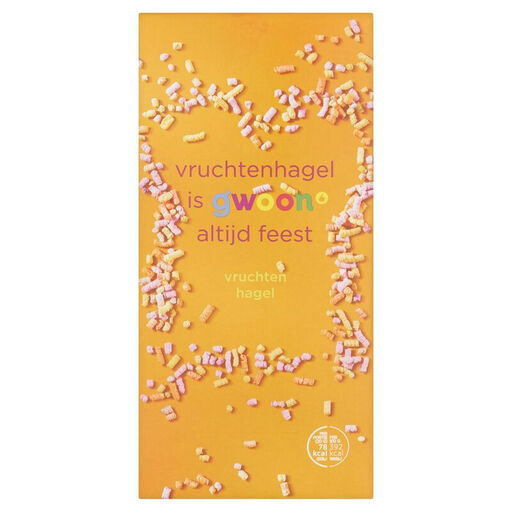
Why this fits the profile: A versatile 400 g pack for bread, desserts and baking. These sweet, coloured sprinkles are a good alternative to chocolate hagelslag.
The product information states 400 g and mentions its use on cake and desserts. Do check the label though: the ingredients include sugar, maize starch and colourings.
400 g contents; suitable for bread, cake and desserts; according to the product information contains 93 g of sugar per 100 g.
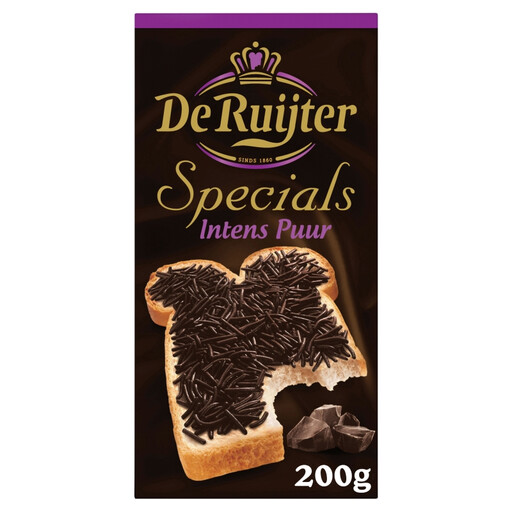
Why this fits the profile: This dark chocolate variety is aimed at those who love a pronounced cocoa flavour and works well on bread, yoghurt, porridge and cupcakes.
The stated cocoa content of at least 52% makes the flavour expectation much clearer than a pack that simply says chocolate.
200 g contents; minimum 52% cocoa solids according to the product description; 43 g of sugar per 100 g according to the stated nutritional information.
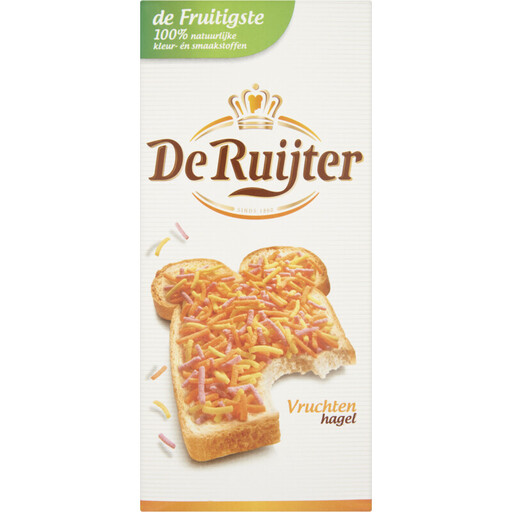
Why this fits the profile: Handy for families and home bakers who want one product they can use on bread, yoghurt, porridge and cupcakes.
The product description specifically mentions 5% apple juice. This makes it clear that it’s a sugar-based fruit-flavoured sprinkle, not pure fruit.
400 g contents; suitable for multiple uses; according to the product information contains 5% apple juice and 94 g of sugar per 100 g.
We’ve put together a full, up-to-date list of products that fully meet these strict selection criteria and comply with current European safety regulations.
For bread, milk chocolate sprinkles, dark chocolate sprinkles and aniseed sprinkles are the obvious choices. In yoghurt or porridge, both chocolate sprinkles and fruit sprinkles work well. For cake decorating and cupcake decorating, it’s better to pay attention to colour, size and how well the sprinkles stick to icing or buttercream.
Dr. Oetker Disco Decoration is designed for colourful decoration on cake, biscuits, ice cream and cupcakes. The small packs of sugar eyes are ideal for one-off baking projects, for example when you want to make figures or animals. Add decorations after baking and check the allergens before serving.
That depends on the flavour you’re after. Milk chocolate sprinkles give a creamy chocolate taste, while fruit sprinkles offer a sweet, colourful addition. With either variety, check the sugar content and the allergens.
Store hagelslag in its original packaging or in a tightly sealed, dry container. Don’t place it near a heat source and keep it away from moisture. If in doubt, follow the storage advice on the label.
Not necessarily. A higher cocoa content can make the flavour stronger and seem less sweet, but always check the nutritional information table. The amount of sugar varies from product to product.
