
Vandaag of morgen in huis

Kwaliteit gegarandeerd

Welkomstaanbiedingen ontgrendelen: GRATIS bezorging | Tot 80% korting | Gratis 30 dagen JoyPlus-proefperiode
Download de app
Green tea may seem simple to choose, but the range varies widely. You’ll find loose-leaf tea, green tea bags, Japanese specialities, instant powder and ready-to-drink green iced tea. Ingredients and sugar content also vary from one product to another.
If you only look at the packaging or a flavour name, you could end up buying a product that does not match your preferences. Pay particular attention to these three common pitfalls:
For pure green tea, green tea should be the only ingredient. According to the product information, Pickwick Green Pure contains only green tea and comes as 20 individually wrapped bags weighing 1.5 grams each. This makes it a straightforward choice if you want to start without flavourings or additions.
For flavoured tea, it is important to look beyond the front of the packaging. Pickwick Green Tea Mango-Jasmine contains green tea, green jasmine tea, natural flavourings and 1% mango pieces, among other ingredients. This suits anyone looking for a fruity or floral flavour, but the product is not the same as pure green tea.
If you enjoy Japanese green tea, look for descriptions such as sencha. According to the product description, HAMASA YUKI Sen Cha Tea contains sencha tea leaves and comes in 20 bags weighing 40 grams. Matcha green tea is a powder made from finely ground tea, which is dissolved or mixed into a drink, as with ITOEN Matcha + Green Tea Rich Taste Powder.
For ready-to-drink green iced tea, the nutritional value per 100 ml is the most useful way to compare products. According to the label, G’woon Ice Tea Green Lemon contains 2.21 grams of sugar per 100 ml. The lemon-free version also lists 2.21 grams of sugar per 100 ml. So this is not the same as sugar-free green tea.
Lipton Ice Tea Green Zero Can lists 0 grams of sugar and 1 kcal per 100 ml. However, the ingredients list does include sweeteners, including steviol glycosides and sucralose. If you want to avoid sugar but do not mind sweeteners, this type of product may be worth considering. If you prefer a short ingredients list, an unsweetened tea or a product containing only tea and water may be a better choice.
Pay attention to the packaging too. A 1.5-litre bottle is practical for home, while a tray of cans or bottles may be more suitable for an office, event or catering setting. Compare the price per litre or per serving rather than looking only at the price per pack.
Tea bags and powder are most reliable when stored in a cool, dry place away from direct sunlight. Seal opened packaging properly and do not use a product if its packaging is damaged.
For ready-to-drink beverages, the usual advice is to refrigerate after opening and use within the period stated on the label. Before buying, also check the best-before information on the packaging. With a large pack of green tea, it is especially important to use the product regularly so that an opened pack is not exposed to moisture and air for too long.
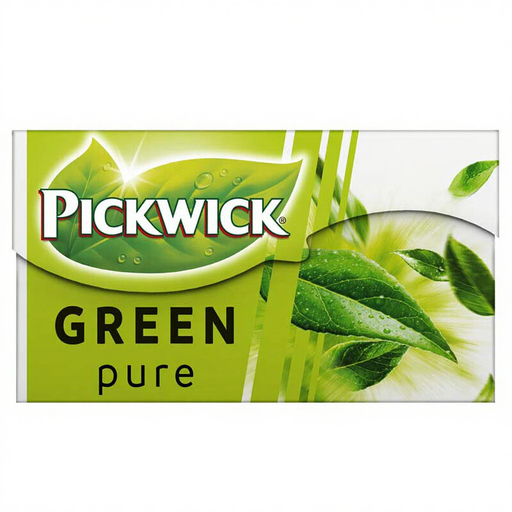
Why it suits this profile: This box of 20 bags is ideal if you want to try pure green tea without buying a large supply straight away.
The ingredients list contains only green tea. No flavourings, artificial colourings or added flavours are listed.
20 individually wrapped bags; 30 grams in total; easy to store and measure out.
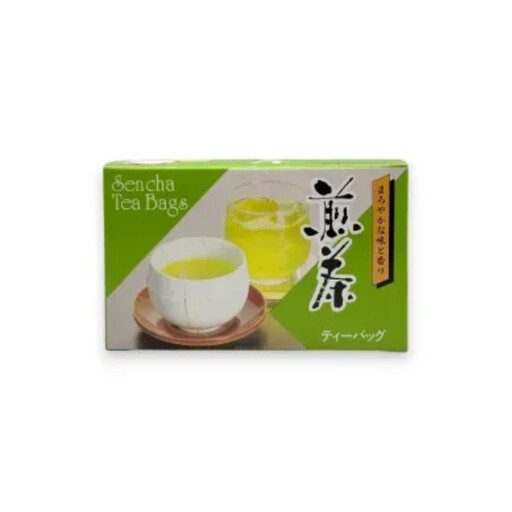
Why it suits this profile: A fitting choice for anyone looking for a Japanese tea style and sencha as a distinctive flavour profile.
The product information identifies sencha tea leaves as an ingredient rather than a flavoured blend.
20 bags weighing 40 grams; suitable for hot and cold preparation according to the product description.
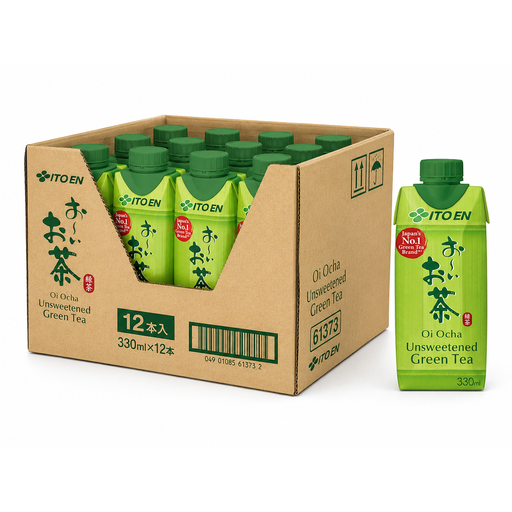
Why it suits this profile: This multipack is practical for the fridge, office or on the go when you want ready-to-drink portions.
According to the product information, this drink contains no added sugar, and the label states 0 grams of sugar and 0 kcal per 100 ml.
12 bottles of 330 ml; sourced from Japan; suitable for serving chilled.
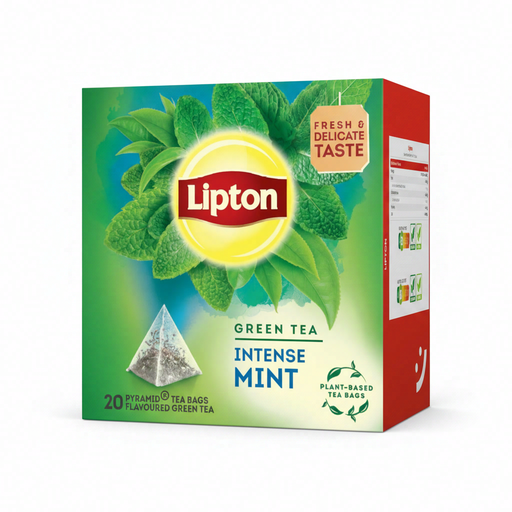
Why it suits this profile: For anyone looking for green tea with mint who prefers bags to loose-leaf tea or ready-to-drink beverages.
The ingredients list green tea, 27% spearmint and natural mint flavouring. This makes it clear where the mint flavour comes from.
20 servings; less than 0.5 grams of sugar per 100 ml of prepared tea according to the product information; mint flavour profile.
We’ve put together a complete, up-to-date list of products that fully meet these strict selection criteria and the applicable European safety regulations.
Pure green tea in bags or loose-leaf form generally contains no added sugar, but check the ingredients list. Ready-to-drink green iced tea may contain sugar, fructose syrup or sweeteners. ITOEN Oi-Ocha lists 0 grams of sugar per 100 ml, while various flavoured iced tea products in the range list approximately 2 to 4.9 grams of sugar per 100 ml.
Store unopened tea in a cool, dry and dark place according to the packaging instructions. Once opened, it is important to keep the pack tightly sealed to prevent moisture and odours from getting in. For iced tea, follow the storage instructions on the label after opening and generally keep the drink refrigerated.
That depends on how you plan to use it. Bags are easy to measure out per cup and require little preparation. Powder such as matcha green tea can be quickly mixed with hot or cold water, but the price per serving varies by product. A large pack of green tea can be practical for everyday use, offices or catering. Always compare the price per gram, litre or serving, while also considering shelf life and storage space.
