
Vandaag of morgen in huis

Kwaliteit gegarandeerd

Welkomstaanbiedingen ontgrendelen: GRATIS bezorging | Tot 80% korting | Gratis 30 dagen JoyPlus-proefperiode
Download de app
Buying granola seems straightforward – until you start comparing labels. One packet highlights organic ingredients, another boasts high protein or “0% added sugar”. Yet these front-of-pack claims don’t tell you everything about the composition, allergens or portion size.
When you buy granola or crunchy muesli online in the UK, it’s worth avoiding three common pitfalls:
Always compare products on the same basis. Pay particular attention to:
So don’t use the term healthy breakfast cereals as an automatic quality judgement. A granola can be organic or high in protein and still contain relatively high energy or sugar.
With granola with no added sugar or sugar-free granola, you need to read the ingredients list. Sweetness can come from date concentrate, agave syrup, rice syrup, fruit concentrate or other ingredients.
Holie's Granola Nuts & Seeds uses chicory root fibre, among other things, and states 0% added sugar. The nutritional value comes out at 2.1g of sugar per 100g. Holie's Granola Protein Amandel Speculaas also states 0% added sugar and contains 3.4g of sugar per 100g.
This makes these products interesting if you’re specifically watching added sugar, but always check the current packaging with every order. Recipes and labels can change.
Are you looking for organic granola, vegan granola or gluten-free granola? Then check both the claims and the allergen information.
Look out for these differences:
With some product details, the marketing description and the allergen information can differ. MadeGood Granola Mixed Berry is described as vegan and made with gluten-free oats, while the supplied allergen information also lists “gluten”. If you have an allergy or coeliac disease, the current packaging always takes priority. If in doubt, contact the manufacturer.
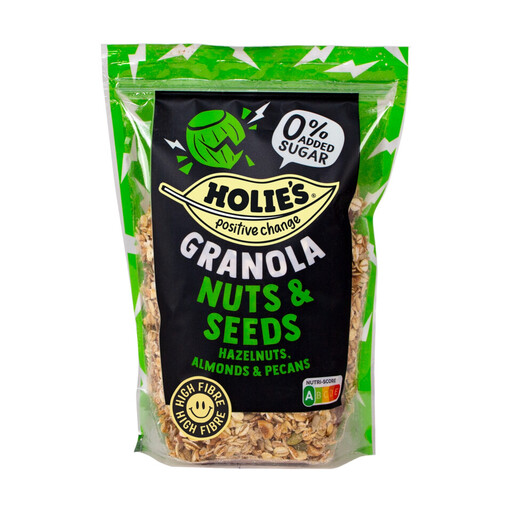
Why this suits the profile: A 350g bag is practical for trying it out first. The mix contains oats, barley, spelt, almonds, hazelnuts, pecans and seeds.
The nutritional information states 2.1g of sugar and 15g of fibre per 100g. This means you can base your choice on concrete figures rather than just the front of the packet.
0% added sugar according to the product description; 13g of protein and 15g of fibre per 100g. Contains several nuts and gluten-containing grains.
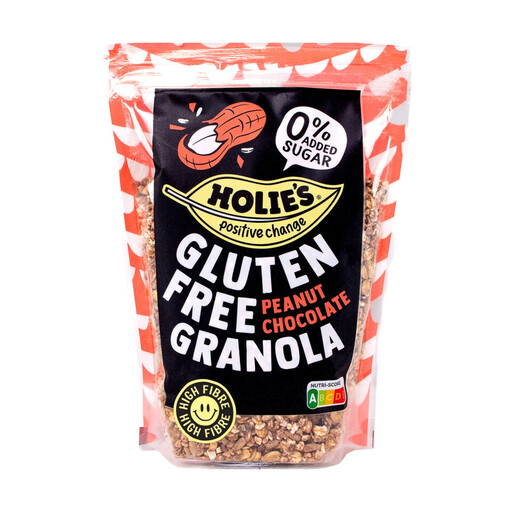
Why this suits the profile: This choice combines a chocolate and peanut flavour with an explicit gluten-free positioning, for those who want to combine taste with dietary preference.
The specifications list 4g of sugar, 14g of fibre and 15g of protein per 100g. The allergen list clearly mentions peanuts and oats.
Gluten-free oats according to the product information; 0% added sugar and 15g of protein per 100g. Not suitable if you have a peanut allergy.
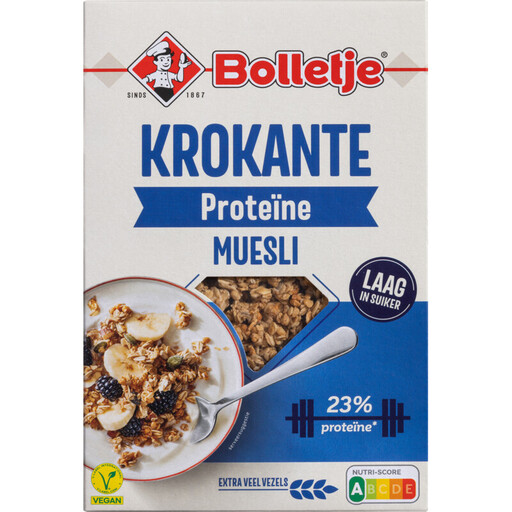
Why this suits the profile: Aimed at users looking for crunchy muesli with a higher protein content, for example as part of an active daily eating pattern.
The “low in sugar” claim is verifiable: the product information states 5g of sugar per 100g. The protein content of 23g is also specified.
23g of protein and 11g of fibre per 100g; with seeds, roasted almonds and protein crispies. Contains wheat, soya, milk and sesame, among other things.
We’ve put together a full, up-to-date list of products that fully meet these strict selection criteria and comply with current European safety regulations.
That varies by brand and variety. In the selection mentioned, Holie's Granola Nuts & Seeds contains 2.1g of sugar and Holie's Granola Protein Crunch contains 2.8g of sugar per 100g. Bolletje Protein lists 5g. Always compare the nutritional information table and check whether “sugar” hasn’t been replaced by other sweeteners.
No. Organic, vegan and gluten-free are different properties. An organic granola can contain milk or honey. A vegan product can contain gluten. So check the ingredients, allergens and relevant certification marks separately.
Store granola according to the packaging in a cool, dry place, out of direct sunlight and away from heat and moisture. Seal the bag or packaging well after opening. This generally helps keep the crunch better. Also check the best-before information on receipt and don’t use any product where the packaging is damaged.
