
Vandaag of morgen in huis

Kwaliteit gegarandeerd

Welkomstaanbiedingen ontgrendelen: GRATIS bezorging | Tot 80% korting | Gratis 30 dagen JoyPlus-proefperiode
Download de app
Online, you’ll find a wide range of breakfast cereals, porridge oats, muesli, quinoa, rice crackers, cereal bars and nut snacks. This makes comparing products easy, but packaging can also create a misleading impression. An eye-catching front label reveals little about the sugar content, allergens or the actual quantity of grains.
These practical checks will help you know what to look out for before buying grains and snacks online.
Words such as “multigrain”, “fruit”, “nuts” or “high in fibre” sound appealing. Always check the ingredient order. Ingredients are generally listed in descending order by weight. If sugar, syrup or a sweetener appears near the top, it makes up a significant proportion of the product.
For a grain mix, it is also useful to check the percentages. For example, SEAMILD Tri-Colour Quinoa Mixed Grain Cereal lists oats, wheat germ, rye, quinoa, buckwheat and white sesame, among other ingredients. The product information states that it contains 14 grams of protein and 3.5 grams of sugars per 100 grams. This gives you more useful information than simply the term “mixed grain”.
Some products use sweeteners or contain naturally occurring sugars. For example, Hero B'Tween Muesli Bar Zero White Chocolate states that it contains no added sugars, but it does contain maltitol. The nutritional information also lists 42 grams of polyols per 100 grams. According to the product information, excessive consumption may have a laxative effect.
Therefore, always compare sugars, polyols, energy and serving size. A small bar may contain few calories per item, while its values per 100 grams may be considerably higher.
If you are looking for gluten-free snacks because of an allergy or intolerance, you should check the packaging and allergen information carefully. The words “gluten-free” in a product name are not enough if the ingredients list contains contradictory information.
For example, the available product information for Roasted Gluten-Free 150g lists “Water, Gluten”. These details contradict each other. This product is therefore not a logical choice for anyone who needs to avoid gluten without first checking the current packaging or obtaining additional information.
Check the following before ordering:
Ingredients and nutritional values may be presented differently on international and Asian snacks. According to the product information, Richy Jinju Rice Cracker Honey Flavor contains rice, palm oil, sugar and honey, among other ingredients, and lists soya and wheat as allergens.
Compare products on the same basis. Pay particular attention to:
Zonnatura Organic Whole Wheat Oatmeal lists 11 grams of fibre, 11 grams of protein and 1.7 grams of sugars per 100 grams. The pack contains 500 grams. This makes the product suitable for creating your own portions with milk, yoghurt, fruit or nuts.
For a busy morning, ease of use and portion packaging can make a real difference. Instant breakfast products can usually be prepared with hot water, whereas ordinary porridge oats or quinoa require more preparation.
Also pay attention to:
A large pack is not automatically better value if you use the product slowly and its flavour or texture deteriorates after opening.
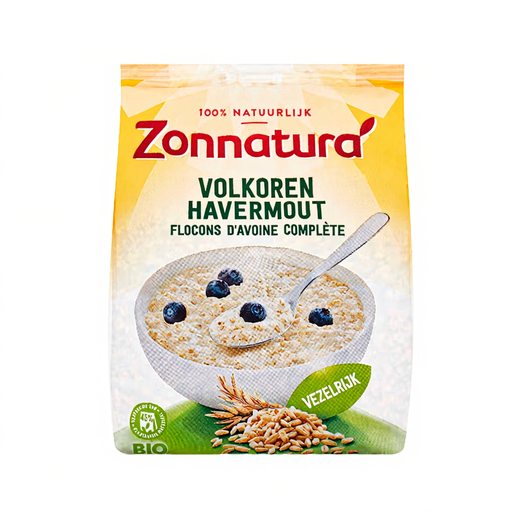
Why it suits this profile: A straightforward pack of ordinary oat flakes is practical for anyone who wants to choose their own toppings and portion sizes.
The product information lists wholegrain oats as an ingredient and gives the nutritional values and allergens separately.
500 grams, 11 grams of fibre and 11 grams of protein per 100 grams according to the product information; organically certified according to the stated EU certification.
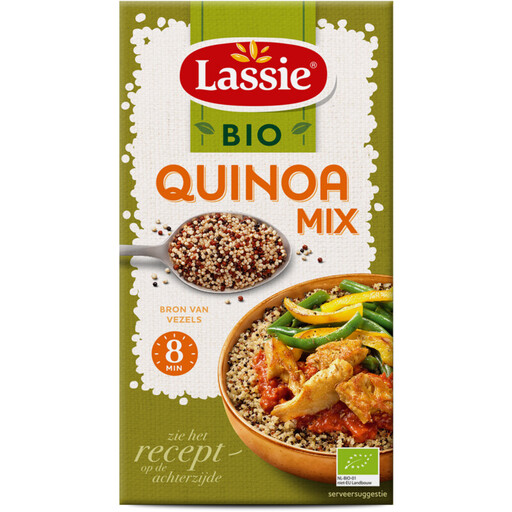
Why it suits this profile: Ideal for anyone who wants to use quinoa in salads, hot meals or as an alternative to rice and couscous.
The product information describes an organic quinoa mix and states that it takes around 8 minutes to prepare.
275 grams, 7.3 grams of fibre and 11.7 grams of protein per 100 grams; the product information states that none of the 14 main EU allergens are present.
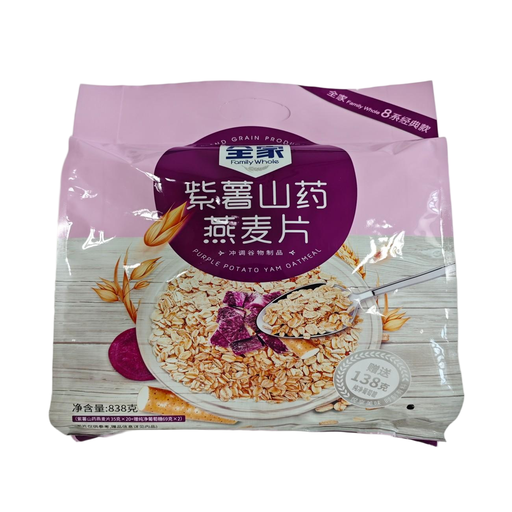
Why it suits this profile: Individual sachets are convenient for families, the office or a breakfast that needs minimal preparation time.
The portions are individually packaged, and the preparation instructions specify approximately 175 ml of boiling water per sachet.
20 sachets of 35 grams and 138 grams of glucose packaged separately; according to the product information, it contains 25% oat flakes and 8% purple sweet potato.
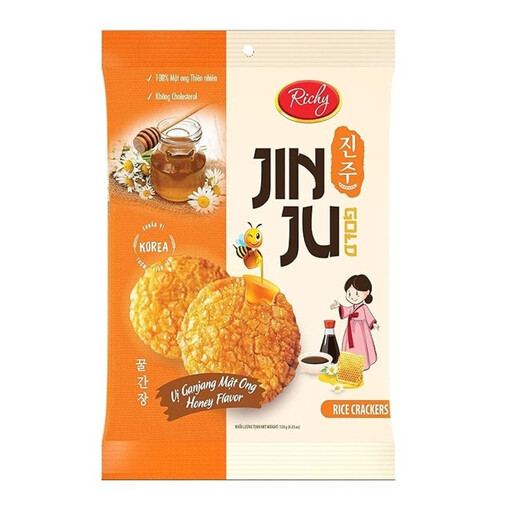
Why it suits this profile: A compact rice cracker for anyone looking for a sweet snack or an accompaniment to a meal from Thai and South-East Asian cuisine.
The ingredients list and allergens are clearly stated; according to the information, the product contains soya and wheat.
100 grams, ready to eat, with clear nutritional information showing 537 kcal, 9.5 grams of sugars and 1.1 grams of salt per 100 grams.
For gluten-free snacks, check that the product is genuinely labelled gluten-free in accordance with the applicable EU rules and that the allergen information contains no contradictions. Oats require extra care: not all oats are suitable for a gluten-free diet, and some products explicitly list gluten.
For organic grains, look for the EU organic logo and the code of the inspection body. A product made with organic ingredients may still contain other ingredients, such as sugar, milk powder or soya. Organic therefore does not automatically say anything about the total sugar or calorie content.
If you are looking for high-fibre foods, you can compare porridge oats, quinoa, wholegrain breakfast cereals and multigrain products based on their fibre content per 100 grams. Combine this information with your own preferences for taste, preparation time and serving size.
We have put together a complete, up-to-date list of products that fully meet these strict selection criteria and the applicable European safety regulations.
Porridge oats usually consist of rolled or cut oats and often need to be heated or soaked. Muesli is a mixture of grains with ingredients such as nuts, seeds or dried fruit. Breakfast cereals may also contain puffed, extruded or sweetened grains. Always check the ingredients and nutritional values.
This varies from product to product. Dry grains and biscuits should generally be stored in a cool, dry place in a tightly sealed container. Check the best-before date and follow the advice on the packaging. Individual portions, such as cereal bars or instant breakfast products, are practical when you do not use the product every day.
No. Rice crackers may contain relatively high amounts of oil, sugar or salt. Compare the nutritional values per 100 grams and check the ingredients. If you have allergies, you should also look out for soya, wheat, eggs and possible traces of other allergens.
