
Vandaag of morgen in huis

Kwaliteit gegarandeerd

Welkomstaanbiedingen ontgrendelen: GRATIS bezorging | Tot 80% korting | Gratis 30 dagen JoyPlus-proefperiode
Download de app
Buying glasses online may seem straightforward, but an appealing product photo reveals little about comfort, fit or suitability for your needs. Reading glasses for home use have different requirements from cycling glasses for protection against headwinds. With smart glasses, app support, battery life and privacy also matter.
The most common mistakes come down to three pitfalls:
Reading glasses are designed for close-up viewing, such as reading books, labels or a screen. Check the strength on the product page and compare it with the strength you already use. Ratings such as 200D, 250D, 300D, 350D and 400D are available in the range. The precise meaning and scale may vary between product listings, so do not rely on the name alone.
Rimless reading glasses can look more discreet and feel lightweight, but pay particular attention to how the lenses are attached. If you experience symptoms such as headaches, blurred vision or persistent discomfort, it is advisable to stop using the glasses and seek advice from an optician or other eye-care professional. Reading glasses are not a replacement for personalised prescription lenses and must not be used when driving.
For walking, cycling or travelling, sunglasses with clearly stated UV400 protection are a practical consideration. According to the product information provided by the relevant brands, some models are designed to block UVA and UVB radiation. Always check the official specifications and product documentation; a dark lens on its own says nothing about UV protection.
Polarised sunglasses can reduce reflections from wet tarmac, water or metal surfaces, for example. This is particularly relevant for cyclists and drivers. However, polarisation does not automatically make glasses suitable as safety eyewear. Also consider the lens material. PC and nylon lenses are often associated with low weight and impact resistance in product information, but the precise level of protection depends on the stated standard and intended use.
When choosing unisex glasses, do not just measure the total width. Also check:
For cycling glasses, a wide field of view, a secure fit and a lens described as impact-resistant in the product information are important. Sports sunglasses with a streamlined design can help reduce wind while cycling, but fit is still a personal matter.
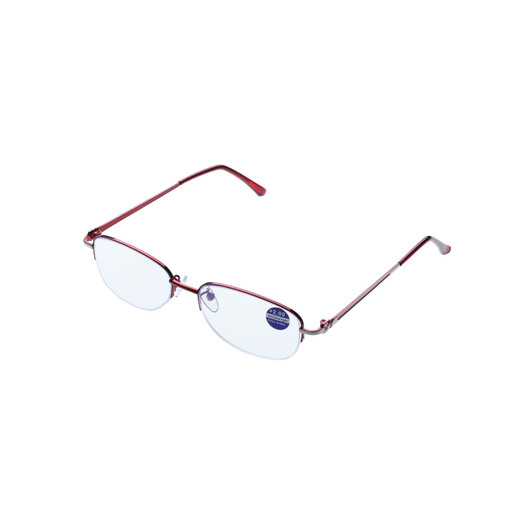
Why it suits this profile: A simple half-frame design for reading at home or in the office, without features you may not need.
The strength is clearly stated in the product name. Use the glasses only for close-up viewing and not when driving or operating machinery.
Half-frame design, classic red colour and intended for use at home or in the office.
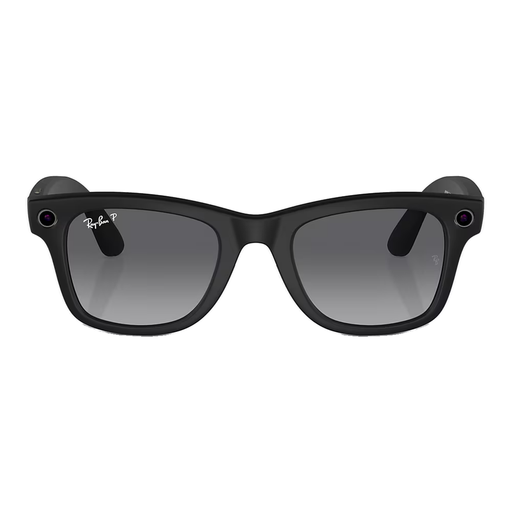
Why it suits this profile: For technology enthusiasts who want to combine a camera, open-ear audio and voice control in an everyday frame.
The product information states that the Meta AI app is required and that the glasses are compatible with iOS 14.4 or Android 10 and later. Check your phone in advance.
12 MP camera, Bluetooth 5.2, Wi-Fi 6 and up to four hours of battery life according to the product information.
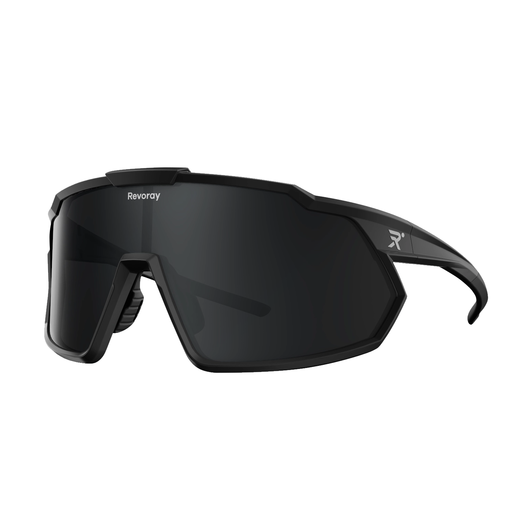
Why it suits this profile: Designed for cyclists and outdoor users looking for stable, lightweight sports sunglasses that reduce reflections.
The listed specifications include TAC polarisation, UV400 and adjustable non-slip nose pads. This makes the choice easier to assess than relying on appearance alone.
Approximately 33 grams, a TR90 frame, water- and oil-repellent coating and an ANSI Z87.1 performance standard according to the product information.

Why it suits this profile: Designed to be worn over existing glasses, making them useful for walks, travel and everyday outdoor use.
The fit-over design means you do not need to buy separate prescription sunglasses. However, check that the dimensions fit over your current frame.
Polarised lenses, a plastic frame and a design described as suitable for wearing over prescription glasses.
We have put together a complete, up-to-date list of products that fully meet these strict selection criteria and the applicable European safety regulations.
When checking out, consider more than just the price. Check whether a protective case is included, how the glasses should be cleaned and whether warranty information is available. With sports glasses, it is important to check whether the product is intended for cycling or general outdoor use. Ordinary sunglasses are not automatically safety glasses.
With smart glasses, also check the required app, operating system, Bluetooth version and battery life. According to Ray-Ban Meta product information, features such as the camera, voice assistant and sharing via Facebook and Instagram depend on the Meta AI app. When using cameras and microphones, also consider the privacy of those around you and local rules concerning filming and recording.
If you choose rimless reading glasses or lightweight glasses, it is best to store them in a case after use. Heat, pressure and loose objects can damage the lenses and frame. For cleaning, preferably use water and a soft microfibre cloth, unless the manufacturer provides different instructions.
First compare the strength of your current reading glasses, then consider the distance at which you usually read. Do not choose a higher strength simply because small print is difficult to read. Reading glasses are intended for close-up viewing and not for driving or operating machinery.
Their lifespan depends on use, storage and maintenance. Scratches, bent arms and loose components are signs that it is time to replace your glasses. Store sunglasses in a case and do not leave them in a hot car or direct sunlight for extended periods.
No. Polarisation helps reduce distracting reflections. UV400 refers to the stated protection against ultraviolet light. A model can have both features, but check them separately in the product specifications.
