
Vandaag of morgen in huis

Kwaliteit gegarandeerd

Welkomstaanbiedingen ontgrendelen: GRATIS bezorging | Tot 80% korting | Gratis 30 dagen JoyPlus-proefperiode
Download de app
Buying glasses seems simple until you have to choose between sunglasses, reading glasses, cycling glasses and smart glasses. Product pages often focus on standout features, while important details such as fit, lens category and compatibility may be less clearly explained. As a result, a pair of glasses may turn out to be uncomfortable after a few weeks, unsuitable for the activity you had in mind or incompatible with your existing glasses.
The most common buying pitfalls are:
UV400 is a frequently used term for sunglasses and sports sunglasses. According to the product information provided by various retailers, it refers to protection against UV radiation up to 400 nanometres. Always check that this claim is clearly stated in the product specifications and that the glasses are intended for the way you plan to use them.
Polarised sunglasses can reduce glare from road surfaces, water and metal. This is particularly useful when cycling, driving or walking alongside water. Polarisation does not automatically make a lens suitable for every lighting condition. A dark lens may be less practical in cloudy weather or at dusk.
According to the product description, photochromic cycling glasses adjust their tint to the amount of UV light. Their effect may be more limited in a car, as a windscreen partially blocks UV light. So check the stated light categories, for example Cat.0 to Cat.3.
The frame and lens construction matter if you’ll be wearing glasses for intensive activities. TR90 is described in the product information for several sports glasses as lightweight, flexible and shape-retaining. PC lenses are often chosen for a single-piece lens with a high level of impact resistance, according to the brand description.
Be aware of the difference between “impact-resistant” and unbreakable. According to OutdoorMaster’s safety information, the glasses in question are not intended for activities such as grinding or machining. So don’t use cycling glasses as certified safety glasses for work where eye protection is mandatory.
A lightweight design helps when you’re wearing glasses for long periods, but a good fit is still essential. Look for:
For reading glasses, the strength should suit the distance at which you read. The +2.00 or 350 strength listed on a product page is a product specification, not personalised eye-care advice. Don’t wear reading glasses while driving; the product information for the rimless version explicitly states that they are intended solely for reading support.
If you’re looking for sunglasses to wear over glasses, it’s worth checking the inside width and nose bridge. A fitover style is designed to be worn over prescription glasses, but the combination shouldn’t pinch or restrict your side vision.
When choosing AI glasses or other smart glasses, check:
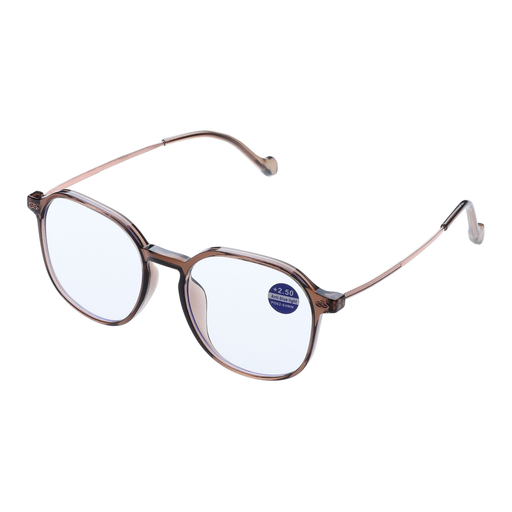
Why it suits this type of user: Simple reading glasses for the office, home and shorter reading sessions. The +2.00 strength is clearly stated, so you know what you’re buying.
The fixed reading strength means a vague description won’t influence your choice. These glasses aren’t intended as a substitute for a personal eye test.
Full frame, transparent brown finish and suitable for everyday unisex wear according to the product name.
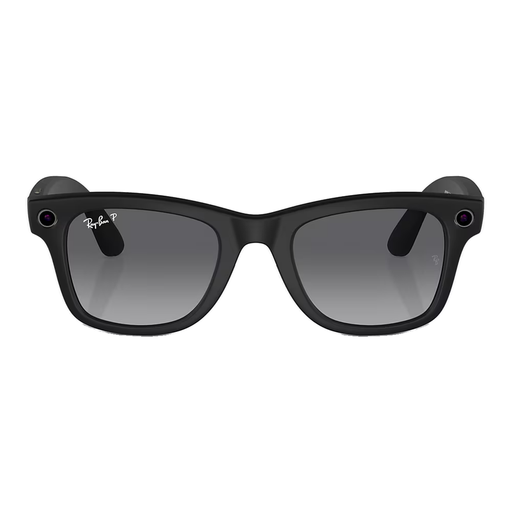
Why it suits this type of user: For anyone who wants to pair a classic frame shape with a camera, open-ear audio and voice control.
The key digital features and requirements are clearly described: a 12 MP camera, five microphones, Bluetooth 5.2, Wi-Fi 6 and a required Meta AI app.
Open-ear speakers, hands-free control, a charging case and a 50-22 mm frame size according to the product specifications.
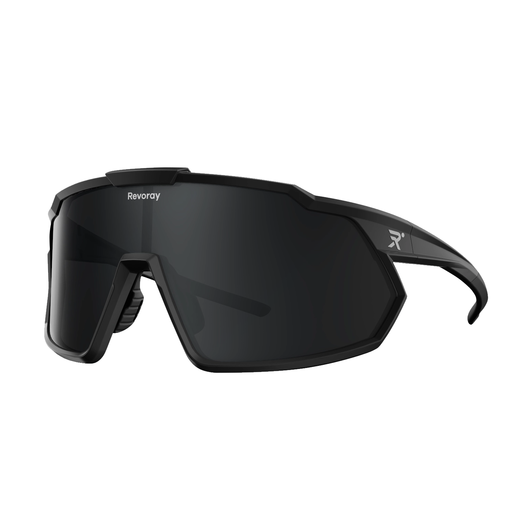
Why it suits this type of user: For cyclists who regularly ride outdoors and value polarisation, a lightweight design and a secure fit.
The product information gives the light transmission as approximately 15.2% and also explains the limitations of sports glasses. This makes it easier to match the dark lens to sunny rides.
TAC polarised lenses, TR90 frame, approximately 33 grams, adjustable nose pads and a water- and oil-repellent coating according to the product specifications.

Why it suits this type of user: A practical choice if you’re looking for sunglasses to wear over your glasses without replacing your prescription pair.
The product name and specifications clearly state that these are fitover glasses with polarised lenses. Be sure to check the size of your own glasses first.
Polarised lenses, a plastic frame and a design intended to be worn over prescription glasses, according to the product description.
We’ve put together a complete, up-to-date list of products that meet these strict selection criteria and the applicable European safety regulations.
According to the product description, photochromic cycling glasses can adjust their lens tint to UV exposure. Polarised cycling glasses can be comfortable in bright sunshine. Always check the light category, visibility in low light and fit with your helmet.
Reading glasses are intended for close-up tasks, such as reading or working at a short distance. A standard strength is not the same as a prescription tailored to you. If you develop a headache, tired eyes or blurred vision, stop wearing them and ask an optician or another qualified healthcare professional for advice.
As well as the purchase price, you may have costs for a smartphone, a companion app, internet use and any accessories or prescription lenses. Check the battery life too. For smart glasses with a camera, audio or a display, it’s a good idea to check the privacy settings and compatibility with your phone in advance.
