
Vandaag of morgen in huis

Kwaliteit gegarandeerd

Welkomstaanbiedingen ontgrendelen: GRATIS bezorging | Tot 80% korting | Gratis 30 dagen JoyPlus-proefperiode
Download de app
Buying fruit and vegetables online is convenient for busy households, families and fans of international cuisine. You can find fresh, frozen and ambient products in a single order, including frozen vegetables, frozen fruit, tinned vegetables and tinned fruit.
However, an appealing product photo may not tell the whole story. Pay particular attention to the contents, packaging and storage method. This helps you avoid paying too much for a small quantity, choosing a product that does not suit your recipe or having to throw it away soon after opening.
A jar or bag may look generously sized, while the net weight is limited. Always check the net weight and, for products in water or syrup, also check the ratio between the main ingredient and the liquid.
For tinned fruit and vegetables, it is also useful to look at:
Tinned fruit may be packed in juice, water or syrup. According to the product information, G'woon Pineapple Slices contains pineapple, clarified pineapple juice, water and sugar. Aarts Plums Damsons contains plums, water and sugar. These products may be suitable for desserts or snacks, but they are not the same as fruit with no added sugar.
So read the ingredients list and the nutritional information per 100 grams. With frozen fruit, such as g'woon Strawberries or G'Woon Blueberries & Raspberries, the fruit is listed as the ingredient. Always check the current packaging for the definitive information.
Frozen vegetables and frozen fruit require space in the freezer and must remain frozen. Product information for various frozen items states that they should be stored frozen and must not be refrozen after thawing.
Ambient jars and tins are more practical for a cupboard, but once opened they usually need to be refrigerated and used within the stated period. Before use, also check for a bulging lid, damaged packaging or a broken safety seal.
Choose the product according to your dish. Uncut frozen vegetables are useful for stir-fries, soups and oven dishes. Tinned vegetables are often already prepared and can be added straight away or heated briefly.
Examples:
A short ingredients list makes comparisons easier. According to the product information, Mooijer Soybeans Edamame Cooked contains soya and salt; soya is an allergen that must be stated on the label. Bonduelle French Green Beans 400 g states that the product may contain celery, while the 200 g variant consists of very finely sliced green beans, water and salt.
Do not rely on the product name alone. Check the current ingredients list and allergen information on the packaging with every order.
An 800-gram bag of frozen vegetables is a good option for families or anyone who cooks regularly. A 195- or 340-gram jar can be more convenient for one meal or as an addition to a dish.
Also consider:
When it comes to brand claims about taste, freshness or nutritional value, bear in mind that these properties may be stated in the brand’s own product information. Check the current packaging for full details.
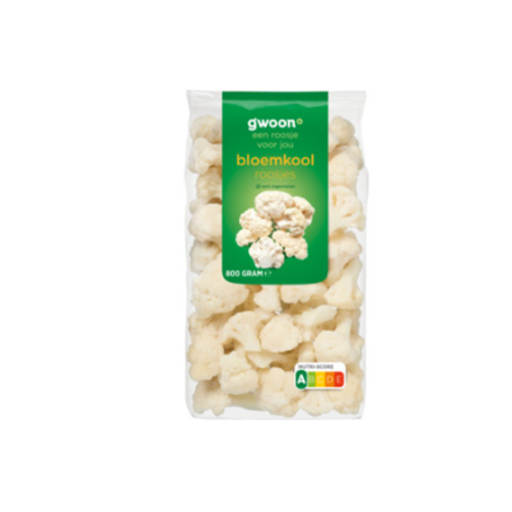
Why it suits this profile: An 800-gram bag provides enough for several meals, such as soup, curry or an oven dish.
The net weight is clearly stated, and the product information lists cauliflower florets as a possible use.
800 g; frozen product; product information states 34 kcal per 100 g.
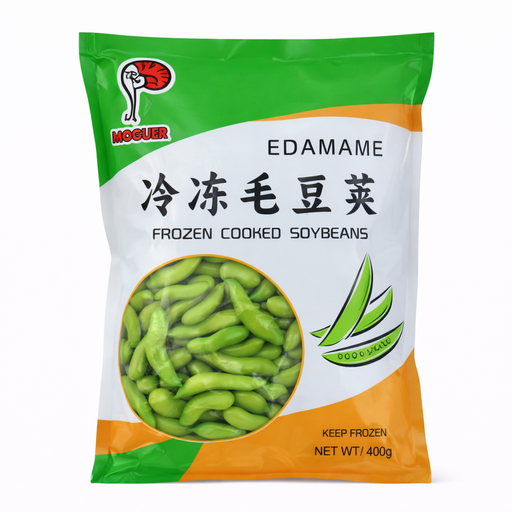
Why it suits this profile: Ideal for anyone who regularly prepares Asian dishes, salads or snacks with edamame.
The product information explicitly states that the soya beans are cooked. This makes the preparation level clear in advance.
1 kg; cooked product; contains soya and added salt according to the product information.
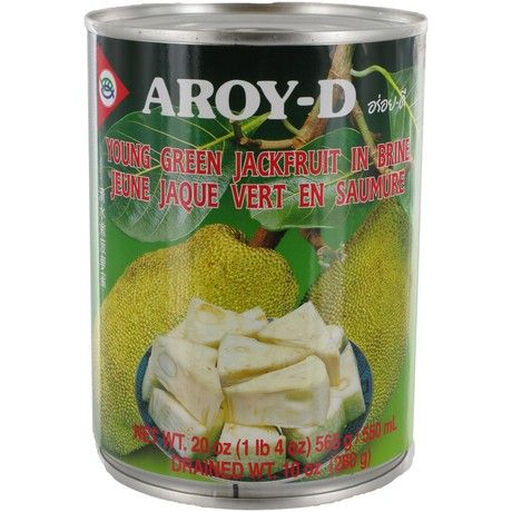
Why it suits this profile: Handy for anyone making curry, tacos, sandwiches or stir-fries with an international twist.
This is green jackfruit in water, not sweet fruit in syrup. The preparation instructions state that it should be drained, rinsed and shredded.
565 g; ingredients are green jackfruit and water; according to the product information, none of the 14 major EU allergens.
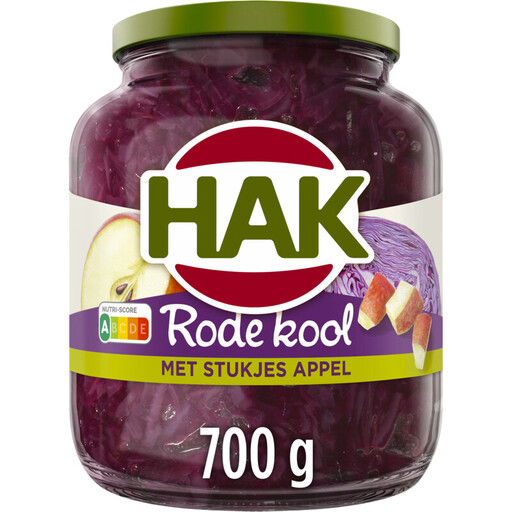
Why it suits this profile: This ambient combination can be heated straight away and goes well with potatoes, beef stew or a quick meal.
The jar states 700 g and names both red cabbage and apple pieces. After opening, check the smell and appearance.
700 g; suitable for storage in a cool, dry cupboard; 66% red cabbage and 6.8% apple pieces according to the ingredients list.
We have put together a complete, up-to-date list of products that fully meet these strict selection criteria and the applicable European safety regulations.
It depends on the product, the weight and the season. Frozen fruit can be practical because you only use the amount you need. Compare the price per 100 grams and check whether the product contains one type of fruit or a mixture.
Follow the best-before date and storage temperature on the packaging. Keep the bag frozen until use. After thawing, follow the instructions on the label and do not refreeze the product if this is not permitted.
Often, but preparation instructions vary. Tinned green beans and red cabbage can usually be drained and heated. According to the product information, jackfruit in water should first be drained and rinsed. Always check the label, particularly after opening and if the packaging is damaged.
