
Vandaag of morgen in huis

Kwaliteit gegarandeerd

Welkomstaanbiedingen ontgrendelen: GRATIS bezorging | Tot 80% korting | Gratis 30 dagen JoyPlus-proefperiode
Download de app
Buying fruit snacks seems straightforward until you start comparing labels. Are you after an on-the-go nibble, something for breakfast or fruit for smoothies and desserts? Products can differ hugely in ingredients, sugar content, storage method and portion size.
Marketing claims like “sugar-free”, “natural” and “with fruit” don’t always tell the full story. Use these practical checkpoints to avoid paying for something that doesn’t suit how you plan to use it.
A product with no added sugar can still contain naturally occurring sugars. A sugar-free strawberry jam may also be sweetened with sweeteners. Always check the ingredients list and the nutrition per 100 grams.
According to the product information, Hero Strawberry Jam Zero contains 50% strawberries and no added sugar. The sweetness comes from, among other things, maltitol and sucralose. The pack also states that excessive consumption of polyols may have a laxative effect. That’s useful to know if you plan to have several portions.
Fruit jellies and fruit sweets can taste fruity without being comparable to fresh fruit. For example, SHENG XIANG ZHEN mandarin jelly contains 5% fruit juice plus sugar, fruit purée, gelling agents and flavouring. The grape variant contains grape juice, grape purée, sugar and glucose syrup.
That doesn’t make these products automatically unsuitable. They simply serve a different need: a chilled treat, something to share or a sweet dessert. If you want a fruit product for everyday snacking, compare the fruit percentage and any added ingredients.
A value pack is only practical if you’ll use it in time. Dried fruit should be resealed tightly after opening. Frozen fruit and passion fruit pulp must stay frozen and, according to the product information, should not be refrozen once thawed.
So when ordering online, check:
First choose the product format that suits the occasion:
For g'woon Squeezable Fruit Pear Apple, the purée consists of 70% apple purée and 30% pear purée, according to the product description. The banana-apple variant contains 75% apple purée and 25% banana purée. Neither variant lists any of the 14 major EU allergens and both come in packs of four.
Always compare nutrition per 100 grams. A small serving might be low in calories, while a larger product can be relatively high in sugar per 100 grams.
According to the label, the 50-gram MUSHAN BASE Dried Strawberry Slices contain dried strawberries and sugar. Per 100 grams, the product information states 313 kcal and 57.4 grams of sugars. That may suit someone after a sweet snack, but it’s wise to measure out a portion beforehand.
Dates are naturally sweet too. The 908-gram Zohra Medjool dates consist of black dates with no listed additives, according to the product information. You can use them as a snack or in baking recipes. Always check the current label on arrival, as that remains the definitive source for ingredients and nutrition.
Think not just about taste, but also logistics:
For smoothies and desserts, frozen fruit and passion fruit pulp are practical choices. According to the product information, Passionfruit Pulp in Cubes is stored at -18 °C, comes from Vietnam and has a stated shelf life of 730 days. Check the exact packaging and portion size on the product page.
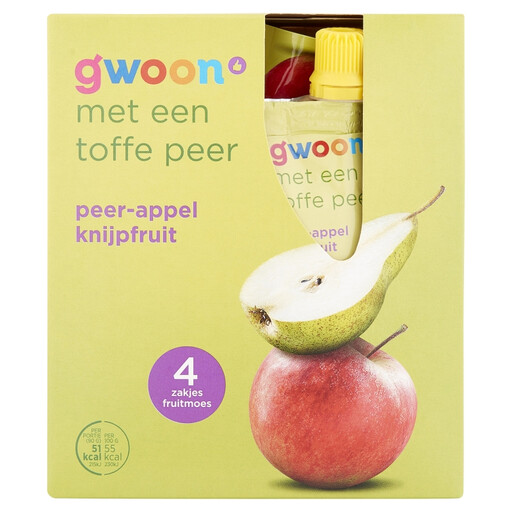
Why this suits the profile: Four 90-gram portions are easy to manage for families, lunchboxes or a first try at fruit purée.
The composition is clearly stated: 70% apple purée and 30% pear purée, with no vague fruit percentage.
Four individual packs, 360 grams in total and a short ingredients list.
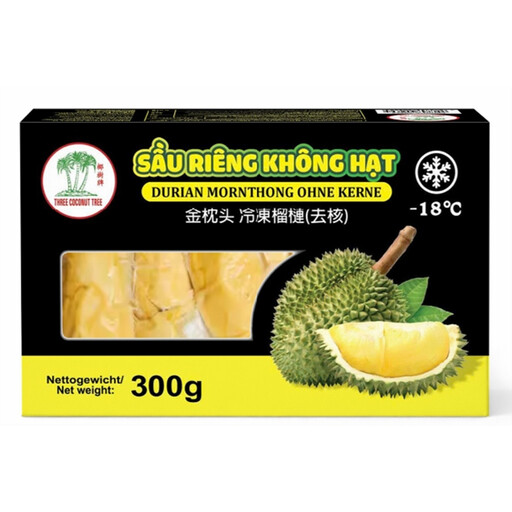
Why this suits the profile: For lovers of exotic fruit specifically looking for Monthong durian in a compact pack.
The ingredients list states 100% Monthong durian. Do check the current packaging and storage instructions before purchasing.
300 grams and a single ingredient, according to the available product information.
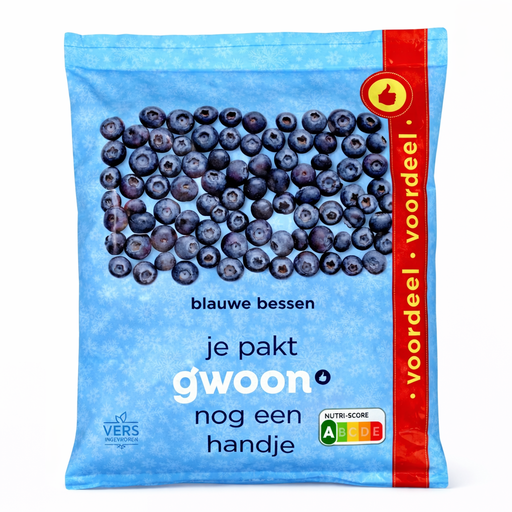
Why this suits the profile: A 750-gram pack suits regular smoothies, breakfast bowls and desserts.
The ingredients list states blueberries only. The frozen storage instruction makes it clear the product must remain frozen.
750 grams, suitable for multiple uses and, according to the product information, free from the 14 major EU allergens.
We’ve compiled a comprehensive, up-to-date list of products that fully meet these strict selection criteria and current European safety regulations.
That depends on your goal and the full ingredients list. Fresh fruit, unsweetened frozen fruit and fruit purée with a high fruit percentage are all options. Dried fruit can be handy on the go, but by weight it often contains more concentrated sugars. So don’t use the term “healthy fruit snack” as your only filter.
Shelf life varies by product. Dried fruit should be stored dry and sealed. Frozen fruit stays frozen until use. Opened jam and fruit purée often belong in the fridge according to the label. Always check the date and the instructions on the packaging, as these can differ per product.
Consider portion size, texture, ingredients and any choking risks. Don’t give small children products that don’t suit their age or eating ability. Supervision is also sensible with fruit sweets and fruit jellies. Compare sugar content too, and choose packaging you can divide easily into portions.
