
Vandaag of morgen in huis

Kwaliteit gegarandeerd

Welkomstaanbiedingen ontgrendelen: GRATIS bezorging | Tot 80% korting | Gratis 30 dagen JoyPlus-proefperiode
Download de app
Buying fruit juice online seems simple until you start scrolling through the endless options. The shelves are packed with cartons vying for your attention with claims like "purely natural" or "packed with vitamins." But what are you really buying? A colourful carton is no guarantee of a good choice. Many consumers unknowingly fall into a few common traps, ending up with a product that doesn't meet their expectations.
Before you fill your digital shopping cart, it's wise to know what to look for. These are the two most common missteps:
By understanding these points, you can search more effectively for a juice that fits your needs, whether you're looking for a healthy breakfast juice, convenient juice boxes for the kids, or a great deal on juice.
You don't need to be a nutritionist to make an informed choice. It's all about understanding a few key details on the label.
The name on the carton tells you exactly what you're buying. The regulations on this are clear:
When you're looking for a sugar-free juice, always check the nutritional information table under 'Carbohydrates', and specifically 'of which sugars'. This number includes all sugars, both naturally occurring and any that have been added. A 100% fruit juice can easily contain 10 grams of sugar per 100 ml, purely from the fruit itself. Products with little or no sugar often use sweeteners as an alternative.
A short ingredient list is often a good sign. If you're looking for a pure product, you ideally want to see only fruit types on the list. For those who place extra value on production methods, an organic fruit juice is an interesting option. These juices are made from fruit grown without chemical pesticides and artificial fertilisers.
Based on these criteria, we have highlighted a number of products that suit different needs and households.
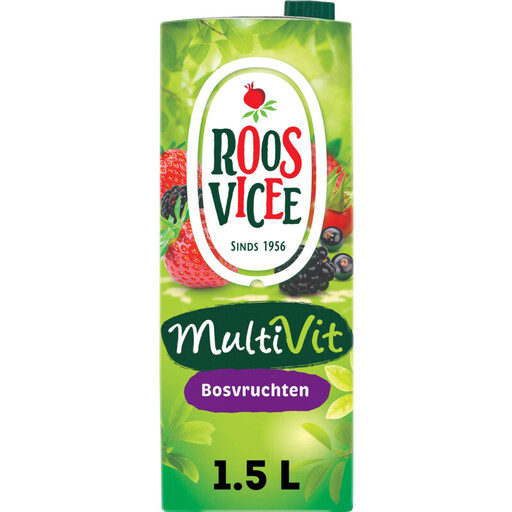
Why This Fits Their Persona: A trusted brand for families. The large 1.5-litre bottle is practical for daily use at breakfast or as a snack. The forest fruit flavour is popular with both children and adults.
This product is honestly positioned as a juice drink, not as 100% juice. The brand claims that one glass provides 30% of the daily vitamin requirement, a clear and verifiable specification.
Large family-sized bottle (1.5L) and enriched with a vitamin complex (B, C, E, and K). A practical choice for the weekly grocery shop.
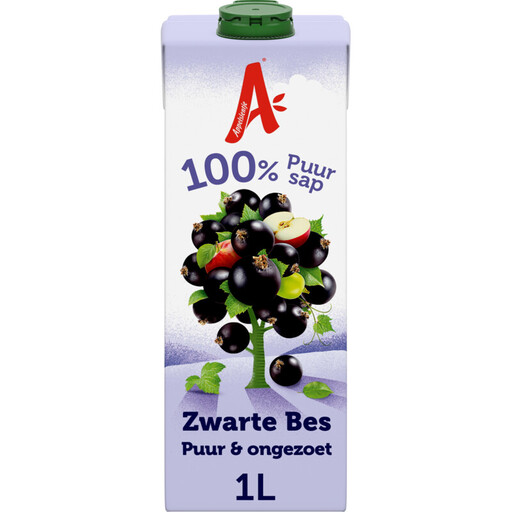
Why This Fits Their Persona: For those seeking the pure taste of fruit without unnecessary additives. Quality and a clear ingredient list are paramount. Ideal for breakfast or as a base for smoothies.
This product is 100% pure juice, made from concentrate. It contains no added sugars, preservatives, or colourings. The sugars are entirely from the fruit itself.
Consists of 100% fruit and is naturally rich in vitamin C. A straightforward product from a well-known premium brand.
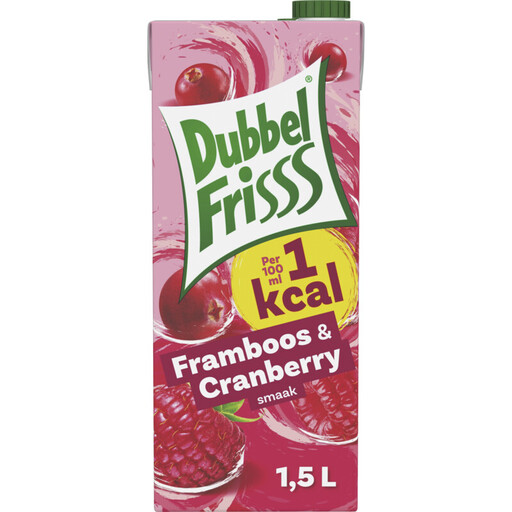
Why This Fits Their Persona: For those who want a fruity taste without the sugars and calories. This drink is a refreshing alternative for anyone watching their calorie intake but still wanting something flavourful.
This product tackles the sugar trap head-on. It's a fruit drink sweetened with sweeteners instead of sugar, containing only 1 kcal per 100 ml, according to the brand.
Very low in calories and sugar-free. The combination of raspberry and cranberry provides a full, fresh flavour.
Juice from concentrate is made by first removing the water from freshly pressed juice. This concentrated juice is easier to transport. At the factory, the exact same amount of water is added back. Juice not-from-concentrate (sometimes labelled as NFC) is pasteurised and packaged immediately after pressing. In terms of nutritional value and taste, the differences between the two methods are now minimal.
Once opened, a carton of fruit juice can usually be kept in the refrigerator for 3 to 5 days. The exact shelf life can vary by product, so always check the instructions on the packaging. Seal the carton tightly after each use to maintain freshness.
Fruit juice can provide vitamins and be part of a balanced diet. However, it's important to remember that juice, even 100% pure juice, contains a lot of sugar and lacks the fibre found in whole fruit. Nutrition experts therefore advise limiting fruit juice consumption and preferring to eat whole fruit instead. Watching your portion size is always a good idea.
