
Vandaag of morgen in huis

Kwaliteit gegarandeerd

Welkomstaanbiedingen ontgrendelen: GRATIS bezorging | Tot 80% korting | Gratis 30 dagen JoyPlus-proefperiode
Download de app
Buying fruit juice online seems simple—until you're facing the digital shelf. The selection is vast, and every package promises the best. However, not all juices are created equal. Many drinks that look healthy contain unexpected amounts of sugar or very little fruit. Before you fill your shopping cart, it's wise to know what to look for.
Common pitfalls when choosing juice include:
By understanding a few basic principles, you can more easily make a choice that aligns with your preferences.
To make an informed choice, it's helpful to check three specifications on the label. These provide an objective view of what you're buying.
The amount of fruit in a carton is the most important indicator. Legislation makes a clear distinction:
Sugar is an important factor to consider. Note the difference between:
The ingredients list and the nutritional information table will provide clarity on this.
Some juices are fortified with extras. A multivitamin juice, like those from Roosvicee, contains added vitamins. According to the manufacturer, one glass can provide a portion of your daily recommended intake.
Preservatives are often unnecessary. Most juices in a carton are briefly heated (pasteurised), which gives them a longer shelf life without the need for preservatives.
To help you choose, we've matched some popular products to different preferences.
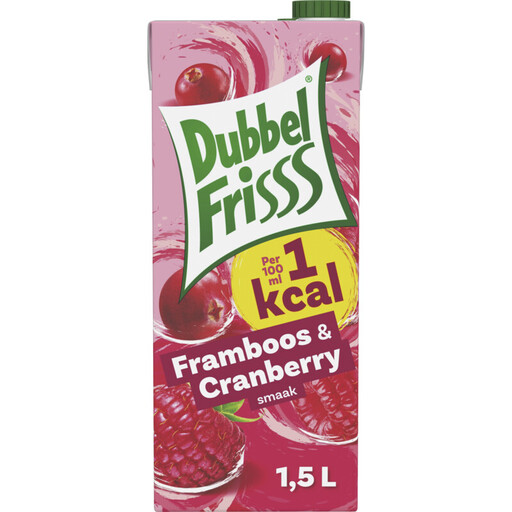
Why This Fits Their Persona: A refreshing and flavourful option for the whole family, without the calories. Ideal for those who want the taste of fruit but not the sugar. The large bottle is convenient for daily use.
This product is transparently a fruit drink (3.1% juice), not a pure juice. The "1kcal" label makes it immediately clear that it's a low-calorie choice, sweetened with sucralose instead of hidden sugars.
Full flavour with only 1 kcal per 100 ml. Contains no preservatives.
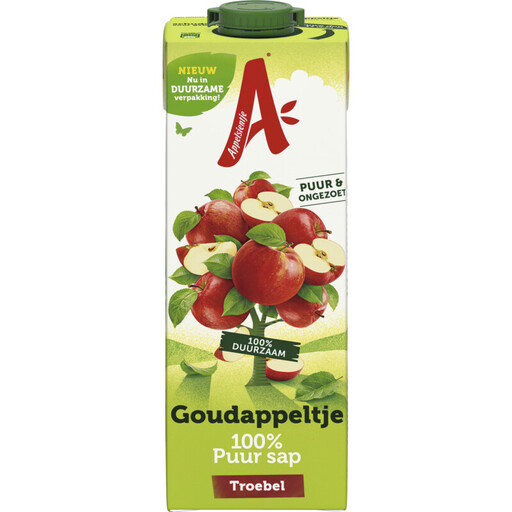
Why This Fits Their Persona: For those seeking the pure, unadulterated taste of apple juice. Perfect for breakfast or as a base for smoothies. No frills, just juice.
This product is exactly what it promises: 100% pure juice. The label clearly states "no added sugars," ensuring you're only getting the naturally occurring fruit sugars.
Consists of 100% apple juice from concentrate. Contains only naturally occurring sugars.
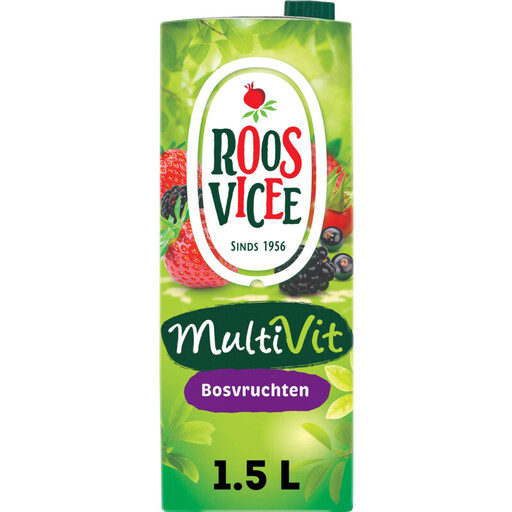
Why This Fits Their Persona: A convenient and tasty choice for those looking to easily add extra vitamins to their daily diet. The forest fruit flavour is popular with all ages.
This product is transparent about its composition: it's a fruit drink (25% juice) fortified with vitamins. The claim "1 glass provides 30% of your daily vitamin needs" is a specific assertion from the brand.
Fortified with a wide range of vitamins (B, C, E, and K). Large 1.5-litre packaging.
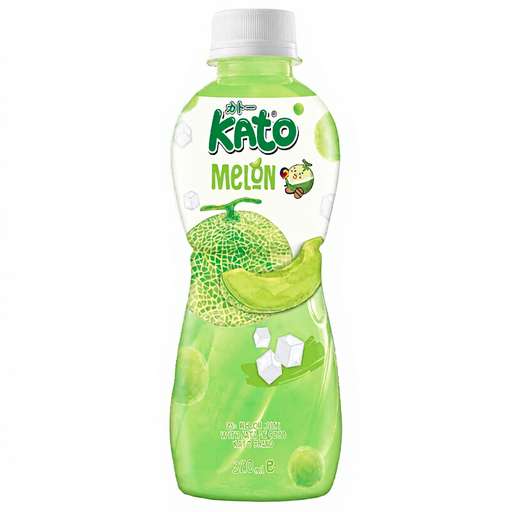
Why This Fits Their Persona: For those who want to try something different from the standard flavours. This drink combines exotic melon flavour with the unique texture of nata de coco (coconut jelly), creating a surprising drinking experience.
This product doesn't pretend to be a health product. It's a unique, enjoyable beverage. The ingredients list is clear about the sugar content and the addition of nata de coco.
Unique combination of melon juice (25%) and chewy pieces of nata de coco (15%). A drink and a snack in one.
We have compiled a complete, up-to-date list of products that meet these selection criteria and local regulations.
Juice from concentrate is made by removing water from freshly squeezed juice. This makes transportation more efficient. Before packaging, water is added back. Fresh juice (or 'not from concentrate') is bottled immediately after pressing. In terms of nutrients, the difference is usually small, but some people prefer the taste of fresh juice.
Once opened, a carton of juice has a limited shelf life. Most manufacturers recommend storing the juice in the refrigerator (max. 7°C) and consuming it within 3 to 5 days. Always consult the instructions on the packaging for the specific product.
Sugar-free drinks contain no added sugars and therefore fewer calories, which can be an advantage. However, they do contain sweeteners. Whether this is a healthy choice depends on your personal diet and preferences. It's an alternative to sugary drinks, but water remains the most neutral thirst quencher.
