
Vandaag of morgen in huis

Kwaliteit gegarandeerd

Welkomstaanbiedingen ontgrendelen: GRATIS bezorging | Tot 80% korting | Gratis 30 dagen JoyPlus-proefperiode
Download de app
Buying fruit juice might seem straightforward, but the difference between pure juice, fruit drink and a sweetened beverage is significant. The front of the pack often boasts words like “fruity”, “natural” or “with pulp”, yet the most important information only appears in the ingredients list and nutrition table.
Three common pitfalls to watch out for:
The product information below is based on the available product descriptions. Always check the label on the packaging before purchasing and consuming. That is the definitive source for any changes to recipe, allergens, nutritional values and shelf life.
Start by looking at the product name and the fruit percentage. 100% fruit juice contains, according to the product description, only juice, possibly from concentrate. Appelsientje Orange Juice - 1 L is described as 100% orange juice from concentrate, with no added sugar.
A fruit drink usually has a lower fruit percentage. DubbelDrank Abricot Orange Juice - 1 L contains, according to the product information, at least 46% fruit, including 20% apricot and 20% orange. The remainder consists of water, sugar, flavouring and added vitamins. That makes it a different choice from pure orange juice, but not necessarily a wrong one.
If you are looking for fruit juice with no added sugar, you also need to check the ingredients list. “No added sugar” does not mean the product contains no sugars.
Use the nutrition table to compare products fairly. A serving or bottle may be larger, meaning the total sugar content quickly adds up.
Some examples from the available product information:
These figures show why the description “refreshing” says very little about the actual composition. Always compare the table, not just the front of the packaging.
Orange juice with pulp, peach juice with fruit flesh and coconut water with fruit flesh offer a different drinking experience from clear juice. With Sunlee Coconut Juice with Pulp, the instructions say to shake the packaging before opening. Also check whether pieces may be present and drink the contents slowly.
For home use, 1-litre or 1.5-litre bottles are practical. Small cans, pouches and bottles are more convenient for on the go, school, a picnic or a gathering. A multipack, such as a pack of 24 cans, can be suitable if you regularly serve the same drink. Just bear in mind storage space, shelf life and the price per litre.
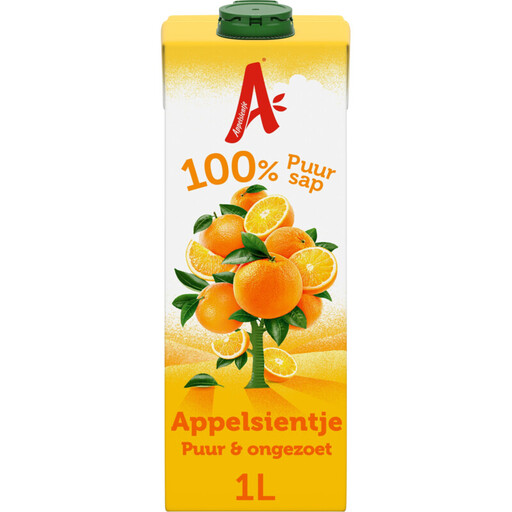
Why this fits the profile: A familiar 1-litre pack for breakfast, family or daily use. According to the product description, this is 100% orange juice with no added sugar.
The product description clearly states the fruit percentage and that no sugar has been added. The natural fruit sugars are still present.
1 litre content, 41 kcal per 100 ml according to the product information, and a brief description of the composition.
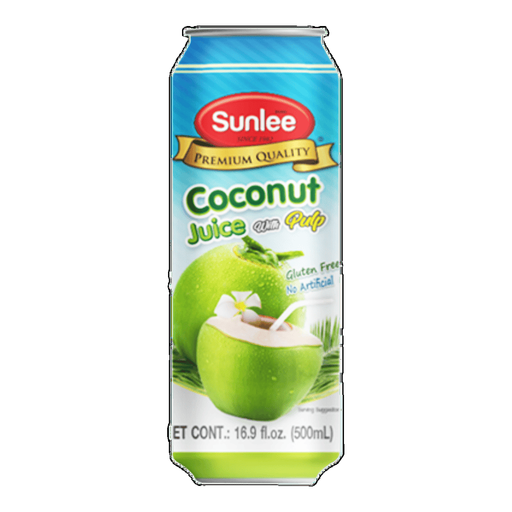
Why this fits the profile: For anyone looking for a tropical drinking experience with coconut water and young coconut pieces, at home or with a meal.
The presence of young coconut pieces is explicitly stated in the product information. Shaking before use helps to mix the contents.
485 ml content, 6.4 g sugar per 100 ml according to the product table, and coconut flesh for extra texture.
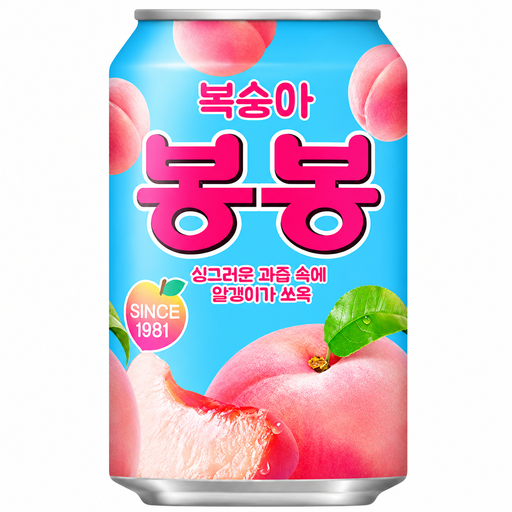
Why this fits the profile: A Korean peach drink for fans of fruit flesh and smaller portions. The packaging is suitable for serving by the can.
The product information mentions 5% peach pulp and 0.5% peach concentrate. This makes it clear that it is a sweetened fruit drink with pulp, not 100% peach juice.
340 ml per can, real peach pulp and 19 g sugar per 100 ml according to the stated nutritional values.
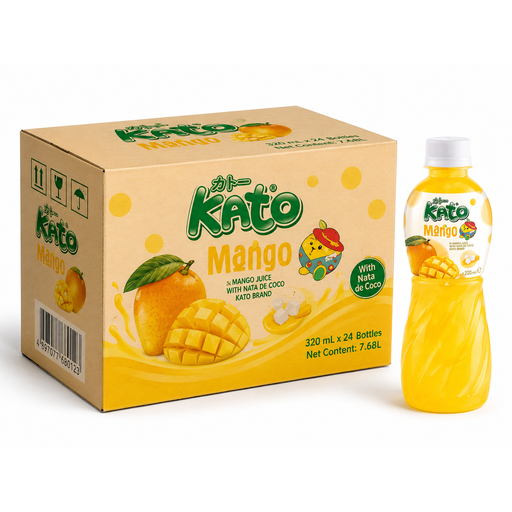
Why this fits the profile: A multipack for parties, families or anyone wanting to stock up on portion-sized drinks with mango and nata de coco.
The ingredients list water, sugar, nata de coco and mango concentrate. This tells you it is a fruit drink, not pure mango juice.
24 packs of 320 ml, nata de coco for texture and 49 kcal per 100 ml according to the product information.
We have put together a full, up-to-date list of products that fully meet these strict selection criteria and comply with current European safety regulations.
Alongside orange juice and peach juice, there are many varieties to suit different preferences. Think of pineapple juice or a watermelon drink in a handy pouch. An apricot-orange drink has a softer, blended flavour profile. For an Asian fruit drink, you could look at mango juice with nata de coco, grape juice, mandarin juice or coconut water with fruit flesh.
If you are stocking up for home, you might also consider organic prune juice, tropical fruit drink or a multipack. With every product, check the content, the price per litre, the amount of sugar, whether pulp is present and the storage advice after opening.
No. Fruit juice can naturally contain fruit sugars. Always check the nutrition table. “No added sugar” means that, according to the product information, no extra sugar has been added to the recipe.
This varies by product. Many packs need to be refrigerated after opening and used within the period stated on the label. Seal the bottle tightly and always check the best-before and storage instructions on the packaging.
That depends on the price per litre, delivery costs and how much you actually use. A multipack can be practical for gatherings or regular use, but first check the total content and shelf life. That way, you avoid buying more than you need.
