
Vandaag of morgen in huis

Kwaliteit gegarandeerd

Welkomstaanbiedingen ontgrendelen: GRATIS bezorging | Tot 80% korting | Gratis 30 dagen JoyPlus-proefperiode
Download de app
When you want to buy a fruit drink online, you quickly come across dozens of options: from berry drinks and blackcurrant drinks to fruit juice, fruit squash and fruit-flavoured soft drinks. The packaging often says a lot about the flavour and drinking experience, but less about what you are actually drinking. Pay particular attention to the nutritional information, ingredients, serving size and when you plan to drink it.
A fruity name or image of berries does not tell you how much fruit a drink contains. According to the product information, Wicky Raspberry Fruit Drink contains 0.2% raspberry juice from concentrate. This makes it a raspberry-flavoured fruit drink, but not a fruit juice with a high juice content.
Karvan Cevitam Blackcurrant Original Syrup is different: the syrup states that the undiluted product contains 75% fruit juice from concentrate. However, always check the nutritional values per 100 ml of the prepared drink, not just those of the syrup itself.
A sugar-free fruit drink may be low in calories, but it may still contain sweeteners. Wicky Raspberry Fruit Drink states less than 0.1 grams of sugar and 1 kcal per 100 ml. The ingredients list includes sucralose and acesulfame-K, among others.
If you would rather avoid sweeteners, look for sparkling water with fruit flavour. Spa Touch Sparkling Blackcurrant states 0 kcal, 0 grams of sugar and no sweeteners. According to the product description, the flavour comes from natural mineral water and natural flavouring.
A 1.5-litre bottle may seem practical, but once opened, fruit drinks generally need to be kept refrigerated and used within the stated period. A large bottle is convenient for a household. For travel or a one-off occasion, a small can, pouch or bottle may help prevent waste.
With syrup, also pay attention to the dilution ratio. Karvan Cevitam states that you should mix 1 part syrup with 9 parts water, and that one bottle can make approximately 6 litres of squash. The actual cost per glass therefore depends on the recommended dosage.
First compare the values per 100 ml, then compare them per pack. A drink containing 8 grams of sugar per 100 ml has considerably more sugar in a 1.5-litre bottle than the same value in a 230 ml can.
Some examples from the product information:
A low-calorie soft drink is therefore not automatically sugar-free. Conversely, a drink containing fruit juice or milk ingredients may provide more nutrients, but it may also contain more calories.
First decide what you need the drink for:
Check the label if someone in your household has an allergy. Alpro Red Berries Soy Drink contains soya, Fristi contains milk and the Korean soju lists wheat as an allergen. Sabrina Ruby Red Port contains sulphites and has an alcohol content of 19%.
Many drinks need to be kept refrigerated after opening. With carbonated products, the quality may also deteriorate quickly. Before buying, check whether the pack suits your consumption habits and store the bottle or can according to the label.
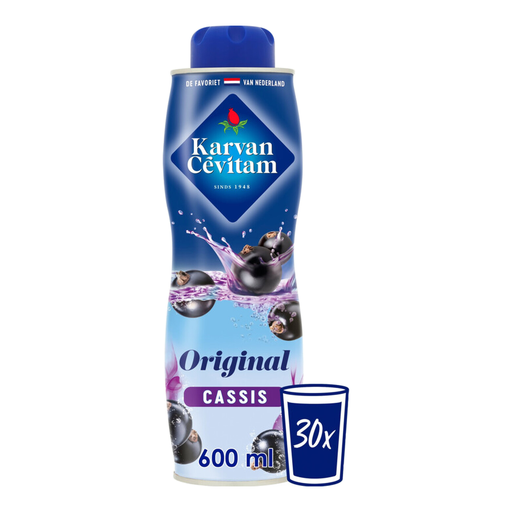
Why it suits this profile: At the recommended ratio of 1 to 9, one bottle makes several litres of squash. This is practical for families and for keeping a supply in the cupboard.
The dilution instructions make it clear how much prepared drink you can expect to make. This means you are not comparing the bottle based solely on the volume of concentrate.
75% fruit juice from concentrate in the product; according to the product information, enough for approximately 30 glasses at the recommended mixing ratio.
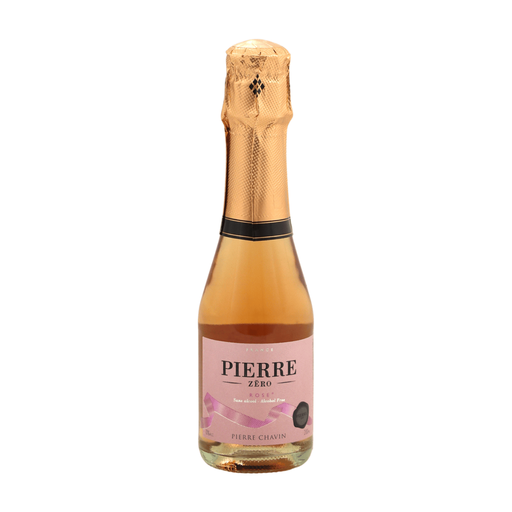
Why it suits this profile: The small bottle with delicate bubbles is designed for an individual celebratory serving, without alcohol.
The alcohol content is clearly stated as 0.0%. The 200 ml format also prevents an opened large bottle from being left standing for too long.
0.0% alcohol; 200 ml per bottle; vegan according to the product description.
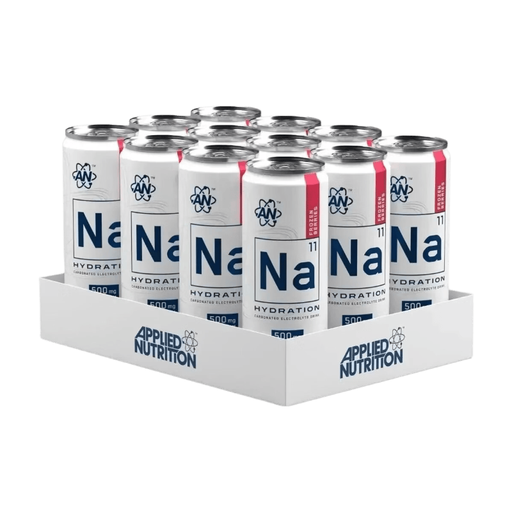
Why it suits this profile: The 330 ml cans are easy to take to training, competitions or the gym.
The nutritional information states 0 grams of sugar, 7 kcal and 500 mg of sodium per can. This allows you to compare the product directly with a standard sports drink.
12 x 330 ml; 0 grams of sugar per can; according to the label, caffeine-free and containing sodium, potassium and magnesium.
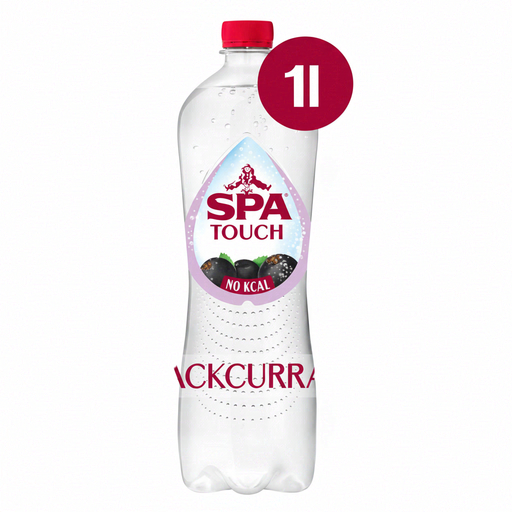
Why it suits this profile: This sparkling blackcurrant drink combines carbonation with a subtle berry flavour, making it suitable for anyone looking for a simple, sugar-free thirst-quencher.
The ingredients list contains no sugar, sweeteners or other additives besides natural mineral water and natural flavouring.
1 litre; 0 kcal; 0 grams of sugar and carbonated.
We have put together a complete, up-to-date list of products that fully meet these strict selection criteria and the applicable European safety regulations.
Fruit juice consists wholly or mainly of juice from fruit, which may come from concentrate. Fruit squash usually contains water, sugar or sweeteners, acids and flavourings, sometimes with a smaller percentage of fruit juice. Check the juice percentage and ingredients list on the label.
That depends on the specific product. Spa Touch Sparkling Blackcurrant states 0 grams of sugar per 100 ml. Wicky Raspberry Fruit Drink states less than 0.1 grams of sugar per 100 ml. Other options, such as Ice Talk Blueberry Ade, have a higher sugar content according to the product information. Always compare both per 100 ml and per serving.
Most opened fruit drinks, syrups and dairy drinks should be stored in the fridge. Close the packaging securely and follow the time limit stated on the label. Unopened products should generally be stored in a cool, dry place away from direct sunlight. For alcoholic drinks, follow the specific storage instructions on the packaging.
