
Vandaag of morgen in huis

Kwaliteit gegarandeerd

Welkomstaanbiedingen ontgrendelen: GRATIS bezorging | Tot 80% korting | Gratis 30 dagen JoyPlus-proefperiode
Download de app
Want to buy fruit drinks for home, school, work or on the go? Comparing them may seem simple, but packaging can give a misleading impression. A tropical image does not automatically mean that the drink contains a high proportion of tropical fruit. Terms such as “no added sugar” and “with vitamin C” also do not tell you everything about the ingredients or nutritional value.
With these practical checks, you can compare fruit juice, fruit drinks, a tropical fruit drink or a fruit drink multipack based on the information that really appears on the label.
A drink can taste of mango, passion fruit or guava even when its fruit percentage is limited. That is why you should check the ingredients for the proportion of fruit juice, purée or concentrate. For example, according to the product information, Wicky Mango Fruit Drink contains 0.2% mango juice from concentrate. Maaza Mango Drink, on the other hand, contains 17% mango purée.
An eye-catching flavour name or image is therefore no substitute for reading the ingredients list.
“No added sugar” means that, according to the product description, no sugar has been added to the recipe. However, the drink may still contain naturally occurring sugars from fruit or other ingredients. Always check the nutritional information under carbohydrate – of which sugars.
For example:
Also check which sweetener is used. A product may avoid sugar but still be sweetened with sucralose, acesulfame-K, steviol glycosides or another sweetener, for example.
A 1.5-litre bottle is practical with a meal or for several people, but less convenient for a school bag. Smaller packs of 200 to 330 ml are suitable for taking with you, while a multipack can be useful if you regularly drink the same product.
When comparing a fruit drink multipack, do not just look at the price of the box. Also compare the price per litre. Pay attention to storage too: according to the product information, unopened drinks should generally be stored in a cool place away from direct sunlight. Once opened, the pack should be refrigerated and used within the stated period.
First check whether the product is fruit juice, a fruit drink or a drink based on juice and other ingredients. The ingredients list will usually state whether it contains juice from concentrate, purée or a combination of both.
Examples from the range:
If you are specifically looking for mango drinks, passion fruit drinks or guava drinks, it is worth comparing the fruit percentage with the order of the ingredients.
Always use the values per 100 ml to compare products fairly. A 330 ml serving contains approximately 3.3 times the value shown on the label per 100 ml.
Pay attention to these details:
A sugar-free fruit drink may offer a different taste experience from a sweetened drink. For children or family use, a small pack can sometimes be more practical than a large bottle because the portion is predetermined. However, that does not automatically make a product suitable for every situation. Always check the label and the age guidance on the packaging.
Check the current packaging with every purchase. Taksi products and some Zappie drinks contain milk or dairy ingredients. According to the product information, Maaza Guava and Wicky Apple Juice do not list any of the 14 main EU allergens.
A fruit drink with vitamin C may have vitamin C added to the recipe. Present this as product information rather than a health claim. According to the stated product specifications, Wicky Mango contains 16 mg of vitamin C per 100 ml, Taksi Tropical Fruit Drink contains 17 mg and Taksi Exotic Fruit Juice contains 12 mg per 100 ml. The exact values and claims on the packaging take precedence.
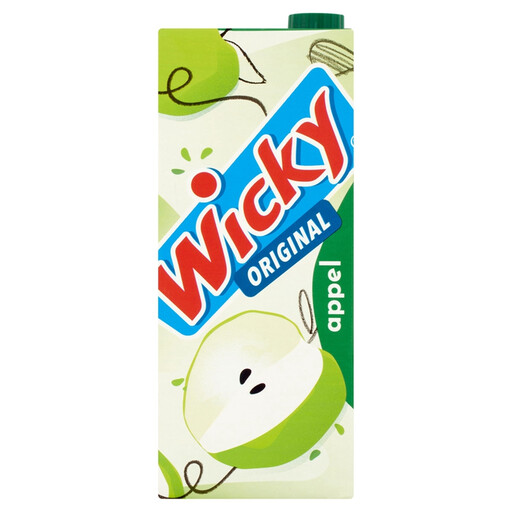
Why it suits this profile: A large bottle for use at home, with breakfast or during a family meal. The product information lists 10% apple concentrate and 24 kcal per 100 ml.
The fruit content and nutritional value are clearly stated, allowing you to compare the apple claim with other drinks.
1.5-litre volume, 10% apple concentrate and added vitamin C according to the product description.
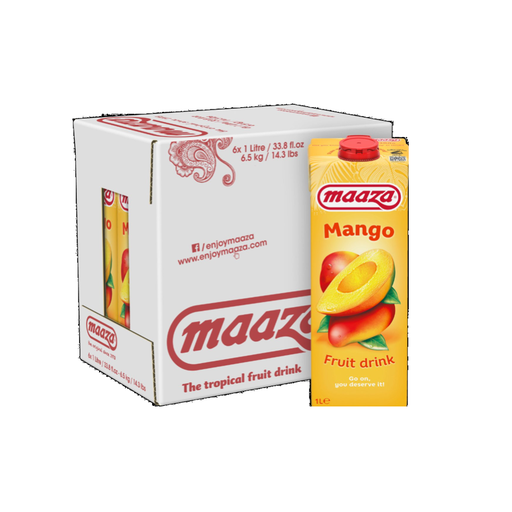
Why it suits this profile: Ideal for fans of a distinctive mango flavour and households that want to stock up on several litre bottles.
The product information states 17% mango purée, making the fruit content more specific than a merely tropical-looking pack.
Six 1-litre bottles, 17% mango purée and 46 kcal per 100 ml according to the listed nutritional values.

Why it suits this profile: A supply for the office, visitors, meals or days out, with twelve 330 ml cans and a distinctive passion fruit flavour.
The packaging is divided into individual portions. The product description also states 30% natural passion fruit juice and no added sugar.
30% passion fruit juice, 17 kcal per 100 ml and 12 cans of 330 ml according to the product information.
We have compiled a complete, up-to-date list of products that fully meet these strict selection criteria and the applicable European safety regulations.
Choose a 1 or 1.5-litre bottle if the drink will be shared at the table. For school, work or a day out, portion packs such as 200, 230 or 330 ml are more convenient. According to the product information, a children’s drink such as Capri-Sun Monster Alarm contains 36 kcal and 8.7 grams of sugar per 100 ml. Use this information to compare portions mindfully, without making assumptions based on the packaging.
Pay extra attention to milk allergens and storage instructions with dairy drinks such as Taksi and g’woon Zappie. For a tropical option, you can compare mango, passion fruit, pineapple, guava or combinations such as apple and pear. Also check whether “no added sugar” comes with sweeteners or naturally occurring sugars.
Fruit juice consists of juice, whereas fruit drinks may also contain water, sugar, sweeteners, milk components, flavourings or other ingredients. The exact composition is listed in the ingredients list. Also check the percentage of fruit on the packaging.
Small packs of 200 to 330 ml are usually practical for a bag, packed lunch or car journey. Options include a Wicky multipack, a small Taksi bottle or a can of Iam Superjuice. Once opened, check the storage instructions and bear in mind the total amount of sugar or sweetener per portion.
Not always. Fruit may naturally contain sugars. That is why you should check the nutritional information per 100 ml. Wicky No Sugar lists less than 0.1 grams of sugars per 100 ml, while Taksi Tropical Fruit Drink lists 2.4 grams. The wording on the packaging and the complete ingredients list together provide the most useful picture.
