
Livraison le jour même et le lendemain

Qualité garantie

Débloquez vos offres de bienvenue: Livraison GRATUITE | Jusqu'à -80 % | 30 jours d'essai gratuits à JoyPlus
Téléchargez l'application
Buying frozen meat online is a practical option for home cooks, barbecue enthusiasts, meal preppers and catering professionals. You can plan larger packs, combine different cuts and have products delivered without having to visit multiple shops yourself. However, comparing on price alone or relying on an attractive product photo can be risky.
With frozen meat, there are three main pitfalls to watch out for:
Don’t just look at “1 kg” – also consider the shape of the meat. A pack with four portions of 250 grams, for example, is more convenient for a household that defrosts per meal than one large block.
With frozen beef, the cooking method varies considerably:
When ordering mince online, the ratio of meat types is at least as important. Half-and-half mince at 250 grams contains, according to the label, 49% pork and 49% beef, along with preservative and antioxidants. If you’re expecting pure meat only, this could come as a surprise.
Read the label before you order. Products such as pure beef, pork or chicken may, according to the description, consist of a single meat type, whereas mixed or marinated products contain additional ingredients.
Look out for:
A brand claim about taste, tenderness or quality is not a guaranteed result. According to the brand’s or seller’s own product description, certain products may, for example, be suitable for barbecue, hotpot or stir-frying. Use that information as a guide and also check the cut, thickness and cooking instructions.
Most of the products mentioned must, according to the product information, be stored frozen at the temperature stated on the packaging, often -18 °C or lower. Defrost meat in the fridge and follow the time frame on the label. Different products state that after defrosting, the meat should be kept chilled and used within the specified period. Refreezing is not recommended.
On delivery, check:
Always cook chicken, mince and other meat thoroughly according to the instructions on the packaging. Raw meat should not be prepared on the same chopping board as ready-to-eat products.
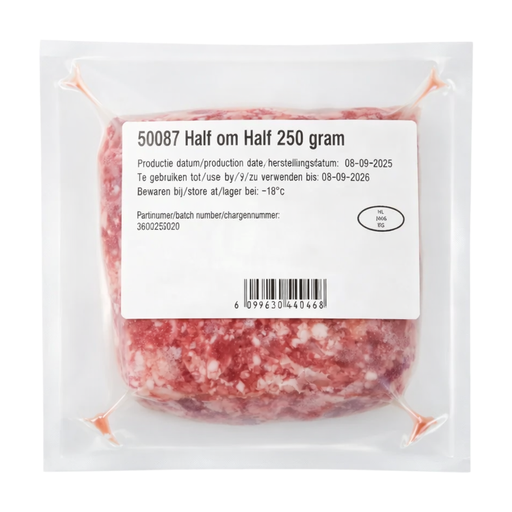
Why this fits the profile: The 250-gram portion is manageable for a first order and works well in burgers, tacos, meatballs or gyoza.
The composition is clearly stated: 49% pork and 49% beef, plus the listed additives.
250 grams per pack and, according to the label, none of the 14 major EU allergens.
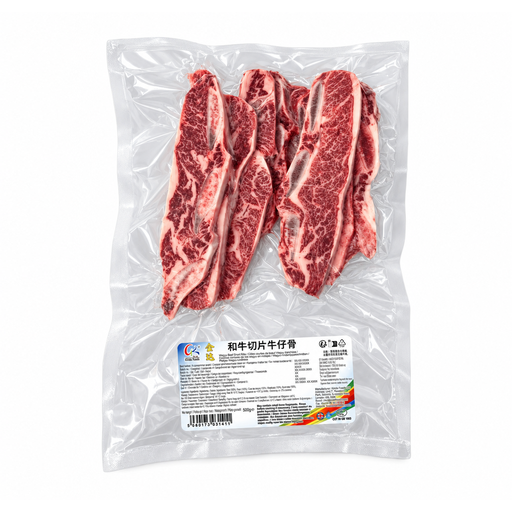
Why this fits the profile: The thick short ribs are, according to the product description, intended for barbecue, grill, pan or oven.
The packaging states 500 grams, 100% beef, bone-in and origin United Kingdom.
Thick cut, bone-in and a 500-gram pack; suitable for multiple cooking methods.
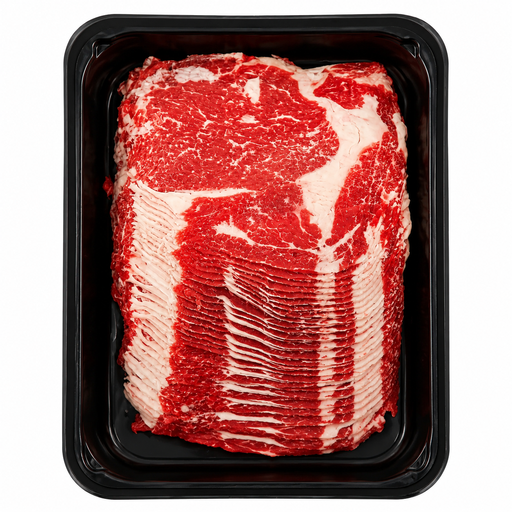
Why this fits the profile: The thickness of 1.2 mm is specifically stated for hotpot and quick cooking.
The product name and description mention both the slice thickness and the intended use, so you won’t accidentally order a thick stewing cut for hotpot.
500 grams, 100% beef and an even cut of 1.2 mm.
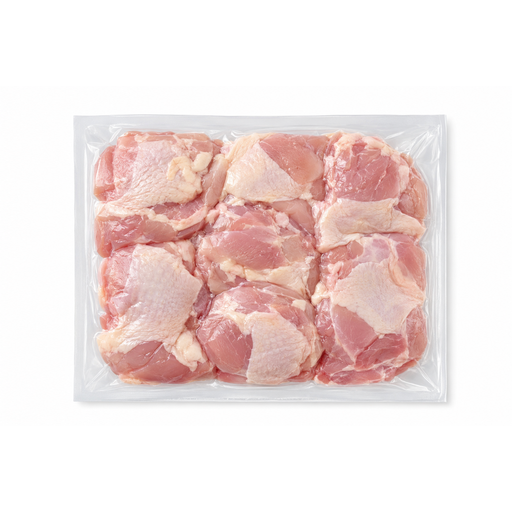
Why this fits the profile: The 2.5 kg pack is suitable for multiple meals, portioning work and larger households.
This is boneless chicken thigh meat with skin; the product variant is therefore clearer than a general term like chicken legs.
2.5 kg content, boneless, with skin and a stated minimum shelf life of 70 days after delivery.
We’ve put together a full, up-to-date list of products that fully meet these strict selection criteria and comply with current European safety regulations.
According to the product information, the frozen products mentioned are stored, packed and transported in a temperature-controlled environment. Always check the condition of the packaging on receipt and place the meat in a freezer suitable for storage at the stated temperature as soon as possible.
The exact shelf life varies per product and is stated on the packaging. A date on the product page does not replace the information on the label you receive. After defrosting, you must follow the stated fridge storage period; some products, for example, mention a maximum of 48 hours. Do not refreeze defrosted meat.
That depends on the packaging, delivery costs, portion size and waste. Larger packs can be practical for meal prepping or catering, but only if you have enough freezer space and can portion the meat in good time. So compare the price per kilogram and the usable net weight.
